AI Workloads Force Data Centers to Handle Higher Power Demands

Equinix reports that artificial intelligence is shifting enterprise infrastructure needs from small, low-power setups to massive, high-density systems requiring rapid data movement.
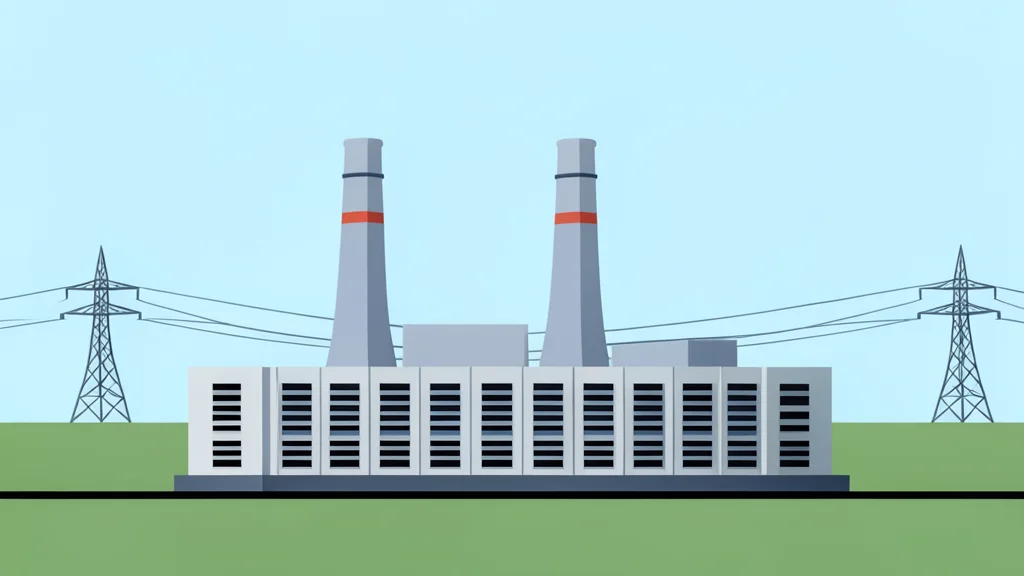
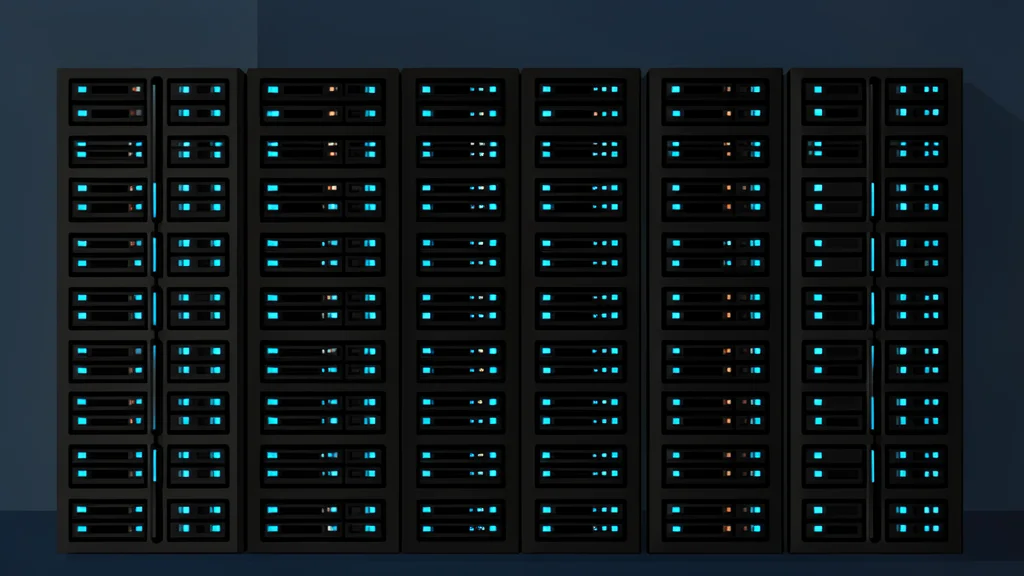
The infrastructure supporting artificial intelligence is undergoing a fundamental physical transformation. According to recent executive discussions surrounding GN auto tech/cloud: data center expansion, companies are moving away from modest server allocations toward deployments that consume significantly more electricity. This shift is not merely about buying more space; it is about accommodating workloads that generate intense heat and require immediate data access.
For years, a deal of 250 kilovolt-amperes was considered a large commitment for a business. Today, that figure is often the starting point, with megawatt-scale projects becoming the new standard for serious AI adoption. This change forces data center operators to rethink how they design facilities, manage cooling, and connect different parts of the network to prevent bottlenecks.
Power requirements have changed
Enterprise customers are deploying AI models that are far more power-hungry than traditional software applications. Executives note that while some companies hesitated initially, most are now actively implementing these technologies. This acceleration has created a surge in demand for high-density capacity. The catch is that higher density means more heat and a greater need for robust cooling systems, which can increase operational costs and complexity for facility managers.
Latency becomes a critical factor
Speed matters more than ever in AI applications. Many new tools require immediate responses, meaning data must be processed and transmitted with minimal delay. To meet this need, infrastructure providers are placing computing resources closer to where they are used. This strategic placement helps ensure that applications relying on real-time data, such as chatbots or automated trading, function smoothly without noticeable lag.
Complexity in data connection
As AI models and data spread across multiple cloud platforms and locations, keeping them connected becomes a challenge. Traditional point-to-point networking is no longer sufficient. Companies now need flexible ways to move data between various providers and services. This complexity requires new types of connectivity services that can handle diverse data flows and regulatory requirements, adding a layer of technical difficulty for businesses trying to maintain efficient operations.