Onsemi Bets on AI Data Centers to Offset Auto Slowdown
The chipmaker is pivoting toward high-voltage power systems for artificial intelligence infrastructure as its traditional automotive market cools.
onsemi is repositioning its business strategy to address a critical gap in the semiconductor market. While the company has long been defined by its role in automotive and industrial applications, it is now placing artificial intelligence data centers at the center of its growth roadmap. This shift is not merely a marketing adjustment but a structural change in how the company views its future revenue streams, driven by the immense power requirements of modern AI computing clusters.
The move comes at a pivotal moment when demand for electric vehicle components has stagnated and industrial customers are still digesting previous inventory levels. By targeting the infrastructure that powers AI, onsemi is seeking a faster-growing market to sustain its operations. However, this transition carries significant risks, as the company must execute a complex strategy to capture value in a highly competitive and rapidly evolving sector.
Automotive demand remains sluggish
For years, the primary driver of onsemi’s growth has been the expansion of electric vehicles. Silicon carbide technology, which improves energy efficiency in high-voltage systems, was expected to see explosive adoption in car batteries and traction inverters. That prediction has not materialized at the projected pace. Growth in electric vehicle sales has slowed significantly, and customers are reducing their stockpiles of components. This slowdown has created a revenue headwind that onsemi is actively trying to counterbalance with new market opportunities.
AI infrastructure drives power needs
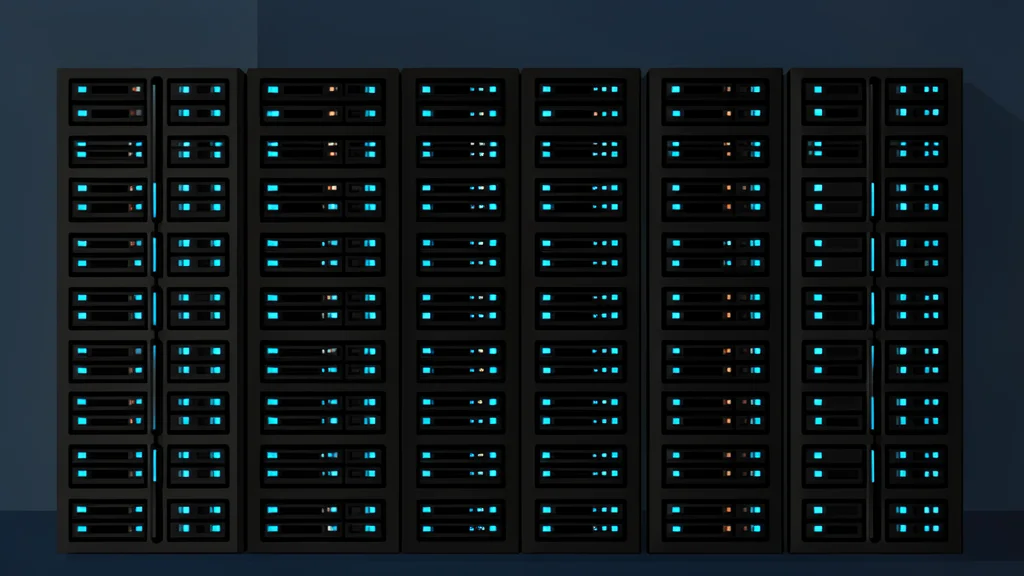
AI data centers are consuming electricity at a rate far exceeding traditional server farms. These facilities require robust power distribution systems to handle the intense computational loads of large language models. onsemi sees an opportunity to supply the semiconductor components that manage this high-voltage DC power. The company aims to apply its diverse technology portfolio, including silicon carbide and gallium nitride, to these systems, moving beyond simple component sales to integrated power solutions.
Recent financial data suggests this strategy is gaining traction. In the second quarter of 2026, onsemi’s silicon carbide revenue increased by 12.5 percent compared to the previous quarter. This growth rate slightly outpaced the broader industry average, indicating that the company is successfully capturing a share of the emerging AI power market. The data points to a tangible shift in demand, even as the broader automotive sector remains flat.
Investors question the financial targets
Despite the strategic pivot, the market reaction has been mixed. When onsemi presented its investor day on September 16, shares fell by approximately nine percent. Investors appeared disappointed that the company’s financial targets for 2030 did not significantly exceed prior expectations. The criticism focused on the final numbers rather than the underlying shift in revenue composition. The catch is that realizing the projected $2.5 billion in AI data center revenue by 2030 requires flawless execution in a market where technology standards are still being defined.
The trade-off for onsemi is substantial. By diversifying into AI infrastructure, the company reduces its dependence on the volatile automotive cycle. However, it also enters a space where competition is fierce and customer requirements are demanding. The company’s ability to integrate its various semiconductor technologies into cohesive system-level solutions will determine whether this new growth engine delivers the promised stability or merely adds complexity to an already challenging business environment.