Samsung Galaxy Z Flip 8 Balances Power and Portability
Samsung's latest flip phone is the fastest in its class, but battery life and charging speed remain significant drawbacks.
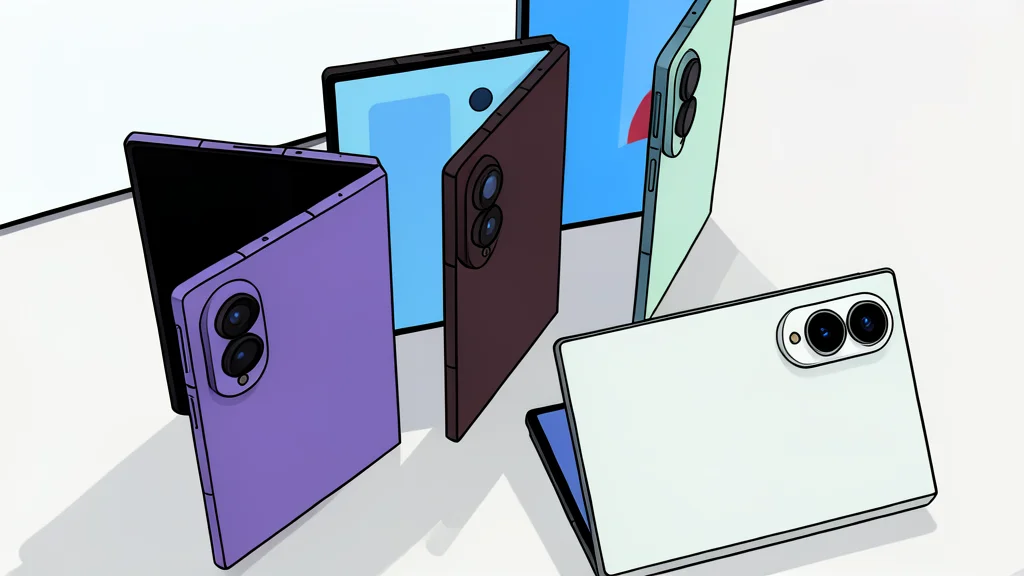
Samsung has released the Galaxy Z Flip 8, positioning it as the definitive option in the foldable smartphone market for this year. According to a review by GN technics/mobile (en-US), the device stands out not because of massive internal upgrades, but due to a lack of strong competition from other manufacturers. It currently holds the performance lead among high-end flip phones, offering speeds that are often double those of its closest rivals.
The phone prioritizes a compact form factor, weighing just 180 grams and featuring a thin body that is barely thicker than a standard smartphone with a case. While the 6.9-inch OLED display is a major highlight, the device carries several trade-offs, including a smaller battery, slower charging speeds, and a lack of full dust resistance that may concern everyday users.
Performance Leads Despite Modest Changes
In benchmark testing, the Galaxy Z Flip 8 demonstrates significantly faster processing speeds compared to alternatives like the Motorola Razr models. The performance gap is substantial, with the Samsung device sometimes being more than twice as fast. This speed advantage is a key reason why it remains the top choice for users seeking a powerful flip phone, despite the fact that the changes from the previous generation are relatively subtle.
Design Improves Usability and Compactness
The new hinge mechanism allows the phone to be used at a wide range of angles, while the screen crease remains minimally visible in daily use. A significant improvement is the 4.1-inch external display, which now supports third-party apps like Google Maps and Chrome. This feature makes the phone much more functional when closed, allowing users to handle navigation and quick web checks without unfolding the device.
The physical design also includes a slim profile that feels high-quality in the hand. However, the placement of the volume buttons and fingerprint sensor is high on the body. When the phone is open, these controls can be difficult to reach with one hand, a usability quirk that persists from previous models.
Battery and Durability Limitations
Despite its power, the phone suffers from a small battery that does not last as long as competitors. Charging is also slow at 25 watts, a speed that is notably lower than what other recent flip phones offer. Furthermore, the device has an IP48 rating, meaning it is not fully protected against dust. This lack of dust resistance is a notable drawback for users who expect robustness in everyday carry situations.
The display also uses a low-frequency PWM dimming method, which may cause eye strain for some users. For the next generation, there is a call for a wider version of the phone and better screen technology to address these specific comfort and endurance issues.