Samsung Weighs Early TriFold 2 Launch to Counter Apple
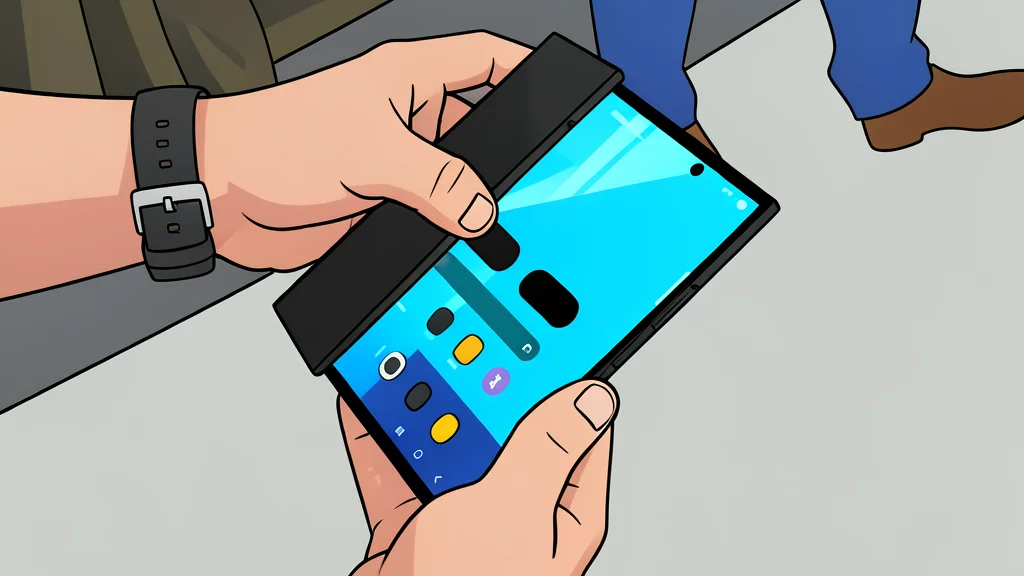
Samsung is reportedly accelerating the release of its next tri-fold smartphone in response to Apple's new foldable, though the device remains a niche, high-cost experiment.
Samsung is reportedly reconsidering its product roadmap for the Galaxy Z TriFold 2, potentially moving the launch date forward. This strategic shift appears to be a direct reaction to Apple’s recent introduction of the iPhone Duo, a new foldable device that has intensified competition in the premium smartphone market. According to reports from 9to5Google, the South Korean giant is evaluating whether to pull the sequel out of a planned 2027 release window to maintain market relevance.
The first-generation TriFold, which debuted in the United States in January at a price point of $2,900, was discontinued after only three months on the market. This brief lifecycle suggests that the initial attempt at a three-panel foldable design faced significant hurdles regarding consumer demand or logistical support. The rapid discontinuation now serves as a cautionary precedent for the upcoming sequel, which aims to address the shortcomings of its predecessor while competing against a well-established rival.
Competition drives timeline changes
Industry leakers indicate that Samsung is also considering an earlier release for a slideable form factor, a new design category that has not yet been widely adopted. The pressure from Apple’s iPhone Duo is forcing Samsung to accelerate its development cycles, although the exact timeline for the TriFold 2 remains uncertain. While the 2027 target may still hold, the urgency to respond to Apple’s move suggests that internal reviews are happening faster than previously anticipated.
This competitive dynamic is not merely about hardware specifications but about market positioning. By moving the release date, Samsung aims to prevent Apple from establishing a dominant foothold in the ultra-premium foldable segment. However, accelerating production schedules often carries risks related to software stability and supply chain management, which could impact the final product experience.
Cost and durability challenges
The primary catch for consumers remains the price. Rumors suggest that the TriFold 2 will be thinner, lighter, and more durable, but the price is expected to remain nearly identical to the first model at approximately $2,900. Maintaining this price point is economically challenging, especially considering reports that the first generation was sold at a loss. Keeping costs flat while improving hardware durability is a significant engineering and financial hurdle for Samsung.
For the average buyer, the trade-off is clear: a more sophisticated device comes with a premium cost that far exceeds standard flagship phones. The
Niche market reality
Despite the technical improvements promised for the sequel, the TriFold series remains a niche product. The discontinuation of the first model highlights the difficulty of sustaining interest in such a specialized form factor. While Apple’s entry validates the concept of high-end foldables, it does not guarantee that a three-panel design will find a broad audience. The market is still testing whether these devices are practical everyday tools or expensive novelties.
Samsung’s decision to potentially move up the release date signals confidence in the design, but it also acknowledges the fragility of the foldable market. Consumers are likely to wait and see if the improved durability and weight reduction justify the high entry price, especially when a competitor like Apple is offering a more traditional foldable alternative.