Smartphone Lens Helps Detect Cataracts in Remote Areas
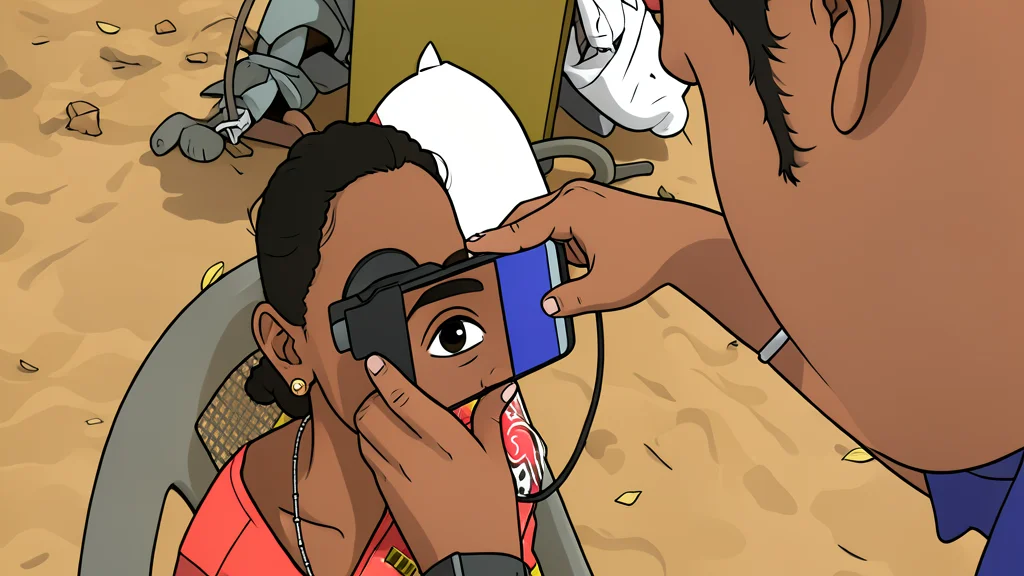
A new clip-on lens allows health workers to screen for cataracts without a specialist on site, potentially expanding care in rural regions.
Researchers have introduced a low-cost attachment that transforms a standard smartphone into a diagnostic tool for eye conditions. The device is designed for rural communities where access to ophthalmologists is scarce, allowing local health workers to capture images of the eye for remote review.
Presented at the European Society of Cataract and Refractive Surgeons congress, the study highlights a model that reduces the need for patients to travel to urban centers. By enabling screening in local settings, the technology aims to reach a wider population that has traditionally been missed by temporary outreach clinics.
Limitations of Traditional Eye Camps
In many developing regions, the primary method for eye care is the temporary eye camp. These clinics rely on specialists traveling from cities to rural sites on specific dates. According to data from Aravind Eye Hospital, this model is logistically complex and expensive, often reaching only a small fraction of those in need.
Previous studies indicate that eye camps screen only about seven percent of local rural residents. A significant portion of those who do not attend are actually in need of surgery. Vulnerable groups, including women, the elderly, and those with lower incomes, are disproportionately affected by these access barriers.
Device Design and Cost
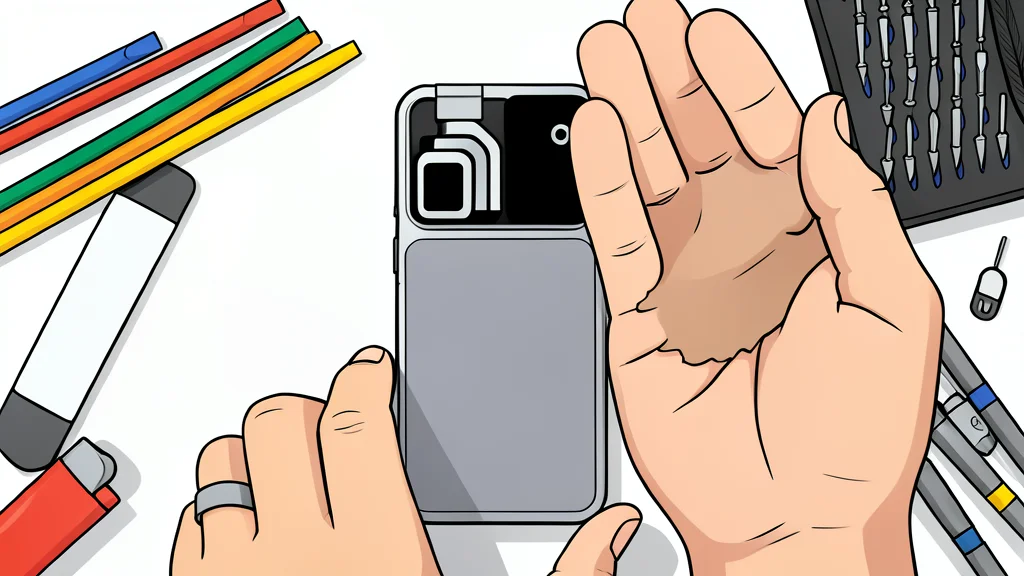
The new attachment was developed by a team including researchers from Johns Hopkins University. It clips onto a smartphone camera and features a magnifying lens, two small LEDs powered by the phone, and a silicone scope that blocks ambient light. This setup ensures clear images can be taken even in varying lighting conditions.
The total cost of the system, including the smartphone, is less than 150 British pounds. This affordability is a key advantage, as it fits within the budget of community health infrastructure. The design allows workers with minimal ophthalmic training to capture diagnostic-quality images in the field.
Accuracy in Field Testing
In a trial across 19 rural camps in South India, health workers screened over 1,000 patients using the device. The images were reviewed remotely by ophthalmologists and compared with diagnoses made by doctors examining the same patients in person. The remote reviews showed an 89 percent agreement rate for identifying cataracts.
For patients with mature cataracts, the agreement rose to 96 percent. This high level of consistency suggests that the smartphone-based method is a reliable alternative to in-person screening. The trade-off is that the system requires a stable image and subsequent review by a specialist, rather than providing an immediate on-site diagnosis.