Smartphone Lenses Bring Eye Care to Remote Areas
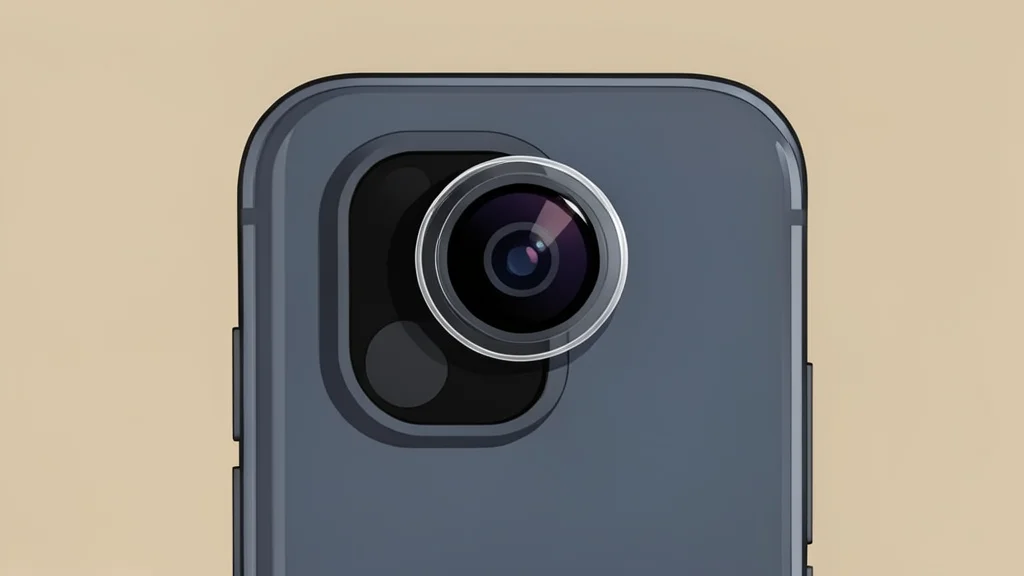
A new clip-on device allows community health workers to screen for cataracts in rural India with high accuracy, reducing the need for specialists to travel to remote sites.
Researchers in India have demonstrated that a simple smartphone attachment can screen for cataracts and other eye conditions with results that closely match those of in-person examinations. The study, presented at the European Society of Cataract and Refractive Surgeons, highlights a practical solution for regions where access to ophthalmologists is limited by geography or cost.
Cataracts remain the leading cause of global blindness, affecting nearly 100 million people. In low-resource settings, traditional eye camps are expensive and logistically difficult, often reaching only a small fraction of those who need care. This new approach aims to bridge that gap by enabling basic screening at the community level.
Low-cost hardware enables remote diagnosis
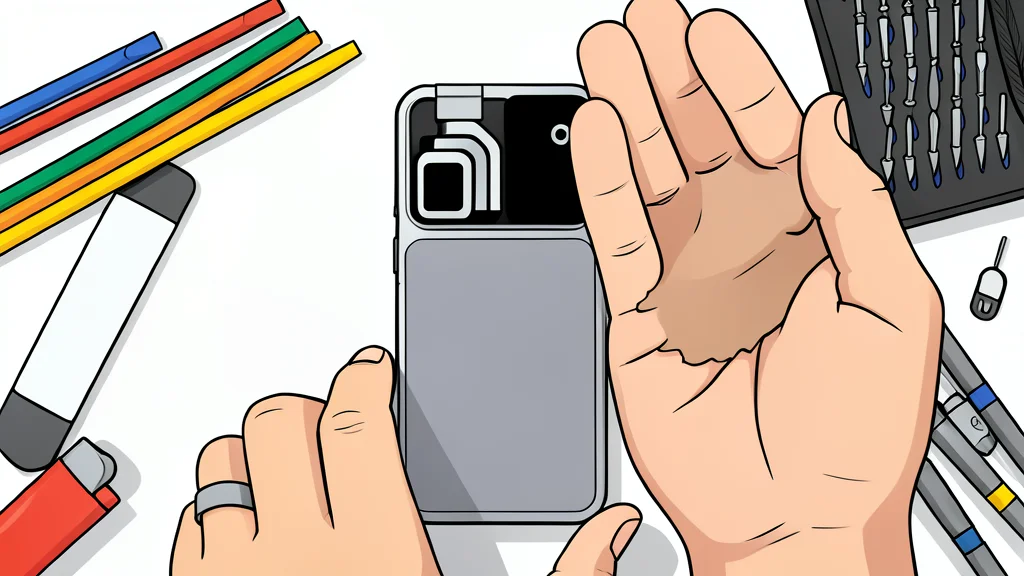
The device is a small, portable clip-on attachment designed for Android phones. It includes a lens to magnify the front of the eye, two LEDs for illumination, and a silicone scope that blocks ambient light to ensure consistent image quality. According to GN technics/mobile (en-US), the entire setup, including the phone, costs less than 150 pounds, making it accessible for widespread use in developing regions.
Community health workers received only three hours of training to operate the device. They captured images of 1,093 patients across 19 rural camps in Tamil Nadu. These images were then reviewed remotely by ophthalmologists, who made referral decisions based on the digital data rather than physical examination.
High agreement between remote and in-person reviews
The results showed a strong correlation between remote and on-site assessments. In 96 out of every 100 cases, the remote specialist and the in-person doctor agreed on whether a patient needed referral to a hospital. Specific agreement rates were 96% for mature cataracts, 85% for immature cataracts, and 97% for identifying eyes that already had lens implants.
Agreement on pterygia, a fleshy growth on the white of the eye, was moderate at 94%. While not perfect, these figures suggest that smartphone-based screening can reliably identify patients who require further professional care, effectively triaging those who need surgery from those who do not.
Trade-offs in accessibility and accuracy
The primary advantage of this system is its ability to decouple screening from the physical presence of a specialist. This is crucial in areas where eye camps reach only 7% of the population, and attendance drops by 80% for those living more than three kilometers away. The system allows for broader coverage without the logistical burden of transporting doctors.
However, the trade-off is a slight reduction in diagnostic precision compared to full clinical examinations. While the agreement rates are high, they are not 100%, meaning some cases may require further verification. Additionally, the system relies on consistent image capture by trained workers, which introduces a human element that could affect data quality if not strictly managed.