Smartphones Shift Focus to Camera Versatility
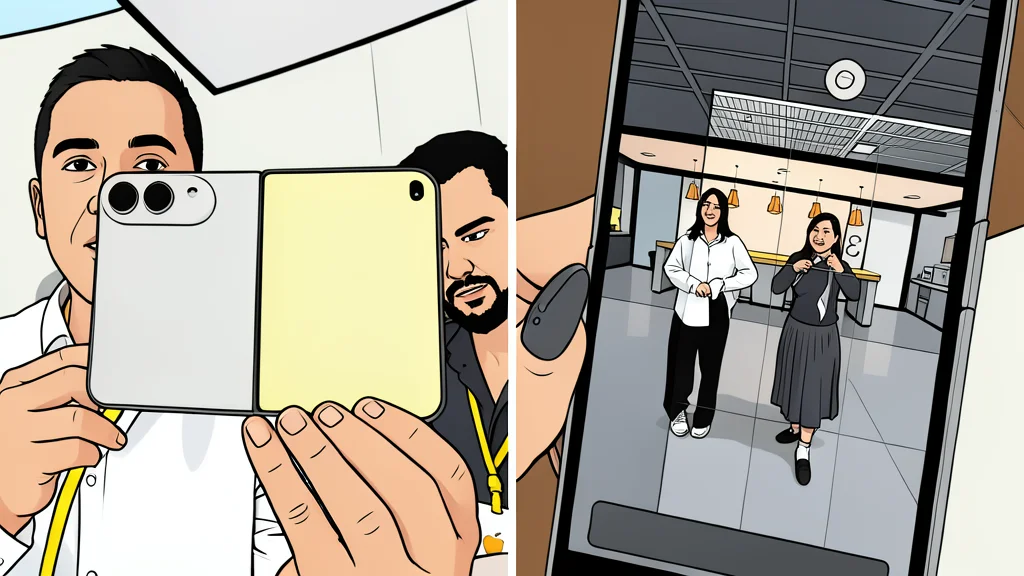
The smartphone industry is moving beyond basic image quality, introducing features like live previews, dynamic apertures, and AI-driven video editing to differentiate new devices.
For years, the camera was the primary selling point for smartphones, but the technology has become so standardized that a good shot is now expected of every device. This saturation has forced manufacturers to look for new ways to distinguish their products. The latest releases from Apple, Google, and Samsung showcase a shift toward practical usability and creative control rather than just raw resolution or zoom capability.
As reported by GN technics/mobile (en-US), these new features address specific pain points in daily photography, such as keeping subjects engaged, adjusting to low light, and managing video content after recording. The goal is to make the camera a more intuitive tool for creators and casual users alike, moving the conversation from hardware specs to real-world application.
Apple Introduces Interactive Front Screens
Apple’s first foldable iPhone, the iPhone Duo, utilizes its flexible design to offer a second display facing the subject. This feature, called Duo Preview, allows the person being photographed to see themselves in real-time, helping them adjust their pose and framing. The device also includes a feature named Kid Cue, which displays simple animations on the outer screen to capture a child’s attention, ensuring they look directly at the camera during the shot.
The foldable form factor also enables new selfie options, allowing users to use the higher-resolution rear cameras while viewing themselves on the outer display. Additionally, the device can be propped up without a tripod, which is useful for longer video recordings. These features transform the phone from a passive recording device into an interactive tool that helps manage the subject’s experience.
Dynamic Aperture Control Returns
The iPhone 18 Pro series introduces physical aperture control, a feature previously common in dedicated cameras but rare in smartphones. Six tiny blades inside the main camera lens physically adjust the size of the opening that lets light in. This allows the phone to automatically adapt to different lighting conditions, such as widening the aperture for darker environments or narrowing it to increase depth of field.
This hardware change offers users more creative control over how their photos look. By adjusting the aperture, photographers can decide how much of the scene remains in focus, a technique that adds professional depth to images. While this feature may appeal more to enthusiasts, it represents a significant hardware upgrade that differentiates the Pro models from standard smartphones.
AI Enhances Video Post-Production
Google and Samsung have focused on software solutions to improve the video creation process. The Google Pixel 11 includes a built-in teleprompter that displays scrolling text on the screen while adjusting its speed to match the user’s voice. This ensures that speakers maintain eye contact with the lens, reducing the need for separate teleprompter hardware and making video creation smoother for content creators.
Samsung’s Galaxy Z Fold 8 offers a different approach with its My FanCam feature. This tool allows users to select a specific person in a group video after recording. The AI then crops and tracks that individual, creating a new clip focused solely on them. This is particularly useful for social media, where creators often need to isolate a subject from a wider group shot without manually editing the footage.