A Founder Argues Character Matters More than Specs for Humanoid Robots
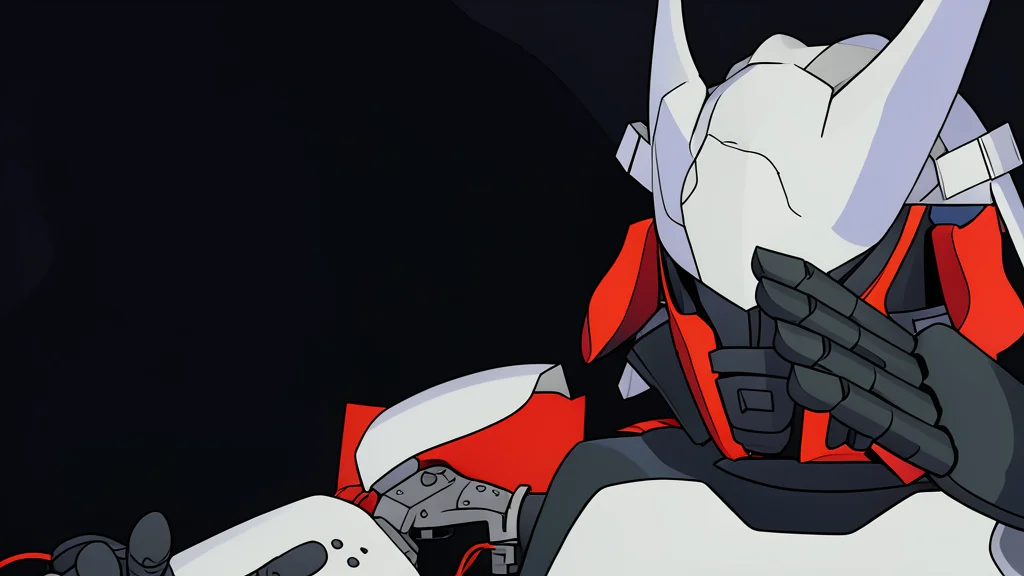
ROTAKU’s founder rejects the race to the bottom, arguing that distinct personalities, not low prices, define the future of humanoid technology.
Takuzen, the founder of the robotics company ROTAKU, is challenging the prevailing industry narrative that humanoid robots must be cheap and mass-produced to succeed. While competitors are aggressively lowering prices to capture market share, Takuzen argues that this approach creates only industrial waste. His company takes a different route, focusing on giving its machines distinct personalities and high aesthetic value rather than just competing on hardware specifications.
The company, which operates with a small team of ten people, has secured significant orders despite not following the trend of ultra-low-cost manufacturing. Takuzen believes that for a robot to be truly useful and desirable, it must be an expression of identity and lifestyle, much like a premium smartphone. This perspective is detailed in a recent dialogue published by GN auto tech/robotics, highlighting a shift from pure utility to experiential design.
Personality drives the product value
Takuzen draws a direct parallel between robotics and the consumer electronics giant Apple. He suggests that hardware alone is insufficient; the true value lies in the ecosystem and the emotional connection it creates. By viewing robots as characters with specific behaviors and personalities, rather than just collections of sensors and motors, ROTAKU aims to create products that users feel a personal attachment to. This strategy prioritizes the user's experience and the robot's role in their daily life over raw technical metrics.
Low pricing creates market waste
The robotics sector is currently seeing a race to the bottom, with many startups trying to push prices below ten thousand yuan to attract buyers. Takuzen dismisses this strategy as a mistake. He argues that selling complex machines at extremely low prices results in poor quality and a lack of long-term support, effectively creating waste. For his company, the cost structure reflects a commitment to full-stack independent research and development, ensuring that the robots are durable and function as intended over time.
This approach requires a different kind of investment. Instead of raising massive amounts of capital to subsidize low prices, ROTAKU focuses on building a sustainable business model where the product justifies its cost through superior design and reliability. The founder believes that young entrepreneurs will eventually win by offering high-quality, meaningful products rather than engaging in a price war that devalues the entire industry.
A distinct path in robotics
Takuzen’s background reflects this unique perspective. Having studied in Japan and the United States, he combines insights from different tech cultures to form his vision. He sees the current era as a critical moment for robotics, driven by advances in artificial intelligence. By dropping out of school to pursue this mission, he has committed his company to a path that values craftsmanship and character over rapid, cheap expansion. This stance places ROTAKU in a distinct position within the global robotics market.