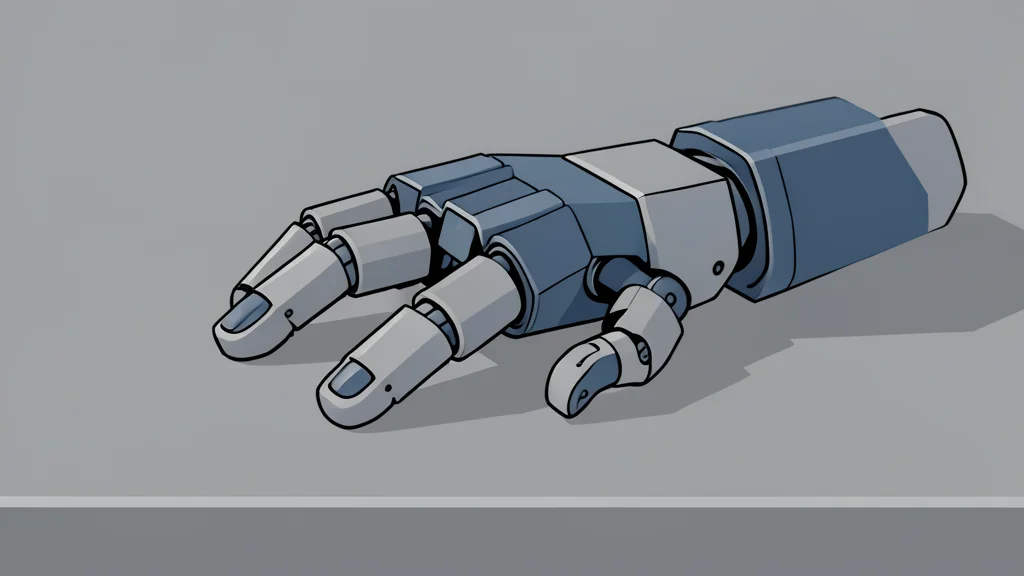
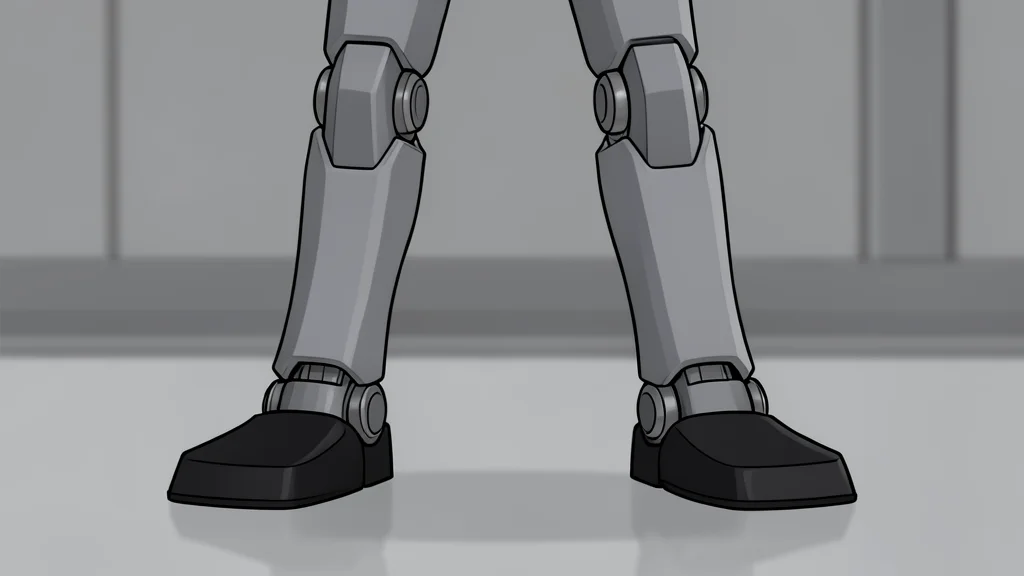
Agility Introduces Safer Humanoid Robot for Shared Workspaces
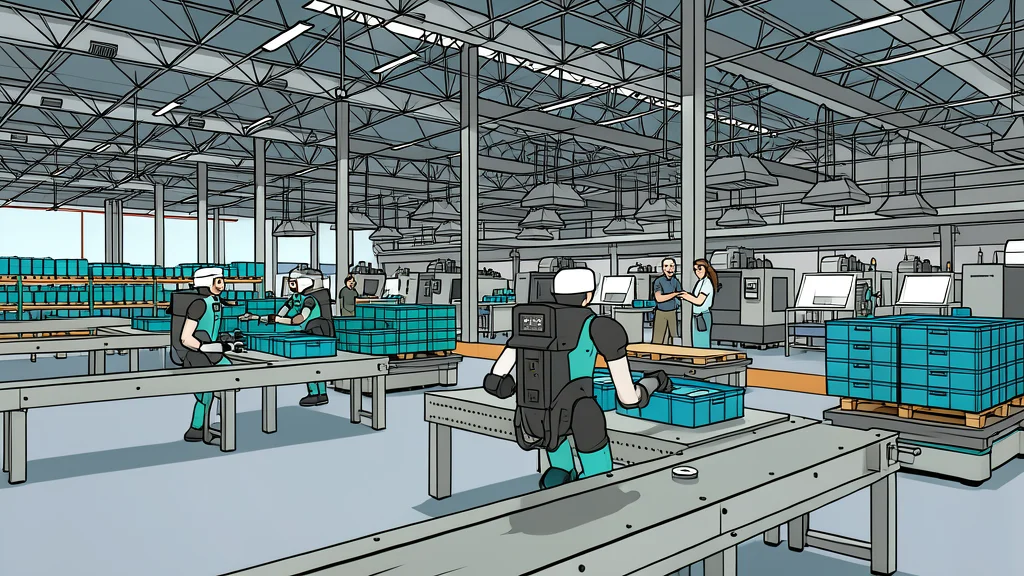
A new bipedal machine is designed to stop and sit down when people approach, removing the need for physical barriers in factories.
Agility Robotics has unveiled the Digit 5, a humanoid robot engineered to operate safely alongside human workers. Unlike previous models that required isolated work cells and physical separation barriers, this new unit can autonomously adjust its behavior when it detects a person nearby. The goal is to allow robots to function in open warehouse and factory environments without posing a physical threat to colleagues.
According to reports from GN auto tech/robotics, the robot utilizes a complex motion system to mitigate risk. If it senses a human at a distance, it may stop moving or alter its path. If a person enters close proximity, the Digit 5 will lower itself into a squatting position. This immediate change in posture reduces the potential energy involved in any accidental contact, thereby minimizing the force of impact.
Safety features replace physical barriers
The primary trade-off of this design is the reliance on sophisticated sensors and decision-making algorithms rather than hardware separation. By removing the need for cages or walls, companies can integrate these machines into existing workflows more easily. However, this approach demands that the robot’s detection systems are reliable enough to prevent collisions in dynamic environments where humans move unpredictably.
Pras Velagapudi, chief technology officer at Agility, explained that the system is designed to take various mitigations based on the type of human presence detected. This flexibility allows the robot to navigate shared spaces without constantly halting operations. The safety protocol acts as a dynamic buffer, ensuring that the machine remains passive when a person is too close to guarantee safety.
Production ramps up in Oregon
Agility is currently retooling its RoboFab facility in Salem, Oregon, to begin mass production of the Digit 5. Early access for customers is expected in the first half of 2027, with general availability by the end of that year. This timeline follows the company’s earlier deployment of previous Digit models in commercial operations, marking a significant step toward broader industrial adoption.
Proven track record in logistics
Earlier versions of the Digit robot have already accumulated over 65,000 hours of work in North American warehouses and factories. Clients such as Amazon, Toyota, and GXO have piloted these machines, providing real-world data on their reliability. The new safety features aim to expand the range of tasks these robots can perform by allowing them to operate closer to human activity without the risk of injury.