Agility Sets Date for Investor Day Ahead of Public Debut

Agility Robotics will host an analyst day in October to outline its scaling strategy, a critical step as it prepares for a late-2026 Nasdaq listing.
Agility Robotics has scheduled its first major Analyst and Investor Day for October 6, 2026, a strategic move timed to precede its expected transition to a public company. The event, set for midday in New York City, will serve as a detailed briefing for shareholders on how the Salem, Oregon-based firm plans to scale its production of humanoid robots beyond its current industrial pilot programs.
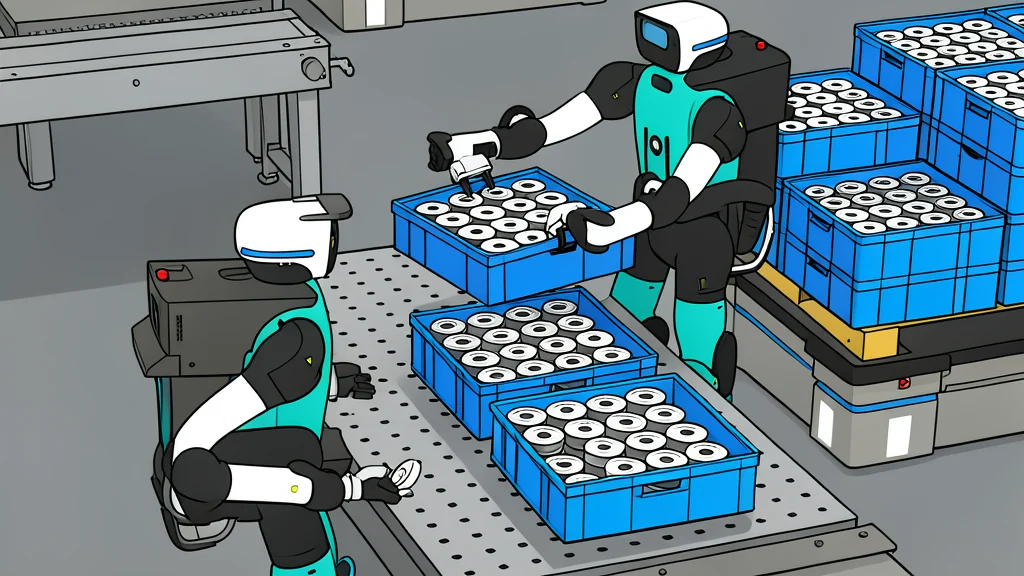
The announcement follows the recent unveiling of Digit 5, the company’s latest generation of bipedal robots. As reported by GN auto tech/robotics, this new model is designed for cooperative work in crowded factory environments. The upcoming session will focus on translating the hardware’s capabilities into a sustainable business model, addressing the significant capital requirements needed to move from limited deployments to mass manufacturing.
Financial Path Toward Nasdaq Listing
The investor day is a prerequisite for Agility’s planned business combination with Churchill Capital Corp XI. This merger is expected to close in the fourth quarter of 2026, allowing the company to trade on the Nasdaq under the ticker symbol AGLT. Leadership, including CEO Peggy Johnson and CFO Michael Beer, will present the long-term financial profile required to support this public debut.
For investors, the key question is whether the technology can achieve commercial viability at scale. Agility claims over 65,000 hours of real-world operation, but the trade-off for such a complex robotic system is high maintenance and infrastructure costs. The event aims to demonstrate that the company has an operating model capable of managing these expenses while expanding its customer base.
Digit 5 Focuses on Workplace Safety
A central theme of the presentation will be the safety features of Digit 5. Unlike earlier prototypes, this version is engineered to work alongside human employees without requiring extensive physical barriers. The company emphasizes that feedback from current industrial customers has directly shaped the product roadmap, prioritizing reliability and cooperative behavior over raw speed or strength.
Scaling Production Is the Main Challenge
While the technology is functional, the primary hurdle for Agility is manufacturing. The company plans to discuss its strategy for scaling deployments and its internal production processes. This is the most significant risk factor for the business; many robotics firms have successfully demonstrated their robots in controlled settings but have failed to produce them in sufficient quantities to be profitable. Agility’s ability to balance high unit costs with rising demand will determine its success in the public markets.