Tesla Begins Optimus Mass Production Audits in China
Tesla has landed in Ningbo to conduct critical factory audits for its Optimus robot, signaling a shift from prototype development to scaled manufacturing and triggering a sharp rise in related Chinese supply chain stocks.
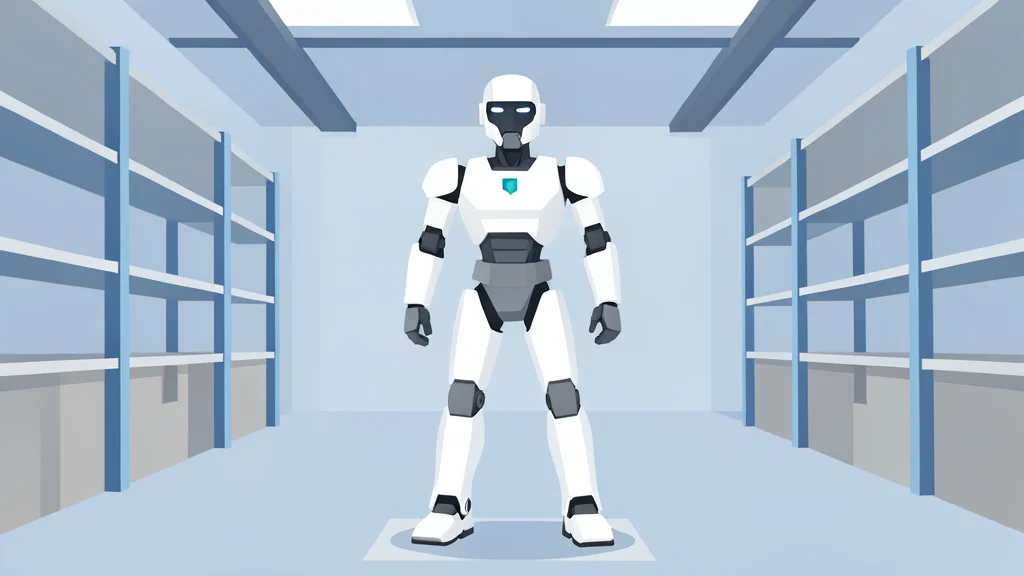
Tesla’s humanoid robot Optimus has entered a decisive phase of its development cycle. A team from the company arrived in Ningbo on September 16 and began formal mass-production audits on September 17. This marks a concrete step toward scaled manufacturing after five years of concept reveals, prototype iterations, and repeated delays in bringing the robot to market.
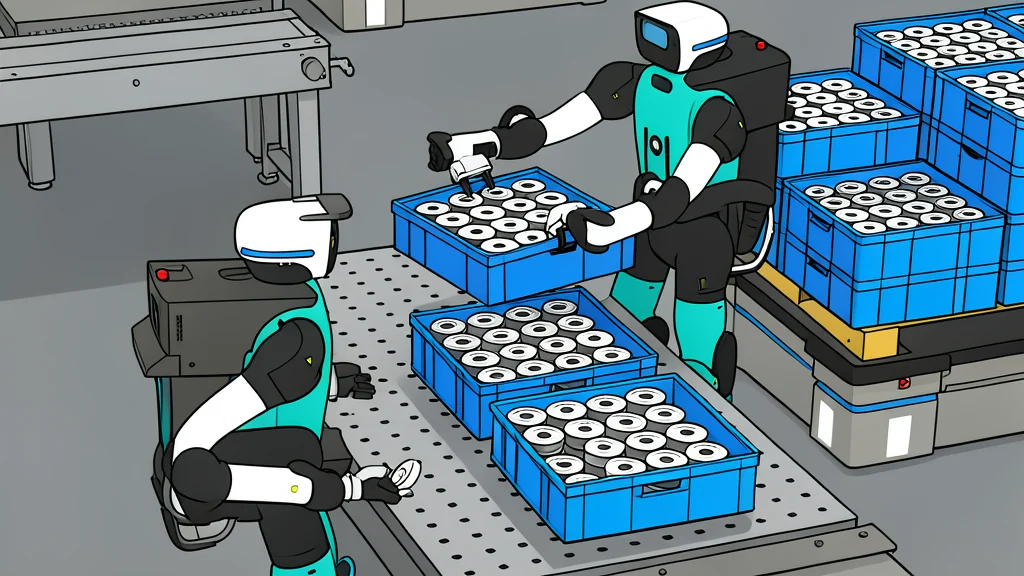
The primary goal of this audit round is to verify the consistency and exclusivity of the production process. Tesla is working with suppliers to debug equipment and migrate manufacturing capabilities from its U.S. plants to its Chinese supply chain. According to GN auto tech/robotics sources, Tesla has already placed orders with these companies, indicating that the audit is directly tied to the implementation of mass production.
Internal industrial focus remains
Under the current plan, Tesla aims to produce approximately 50,000 Optimus units in 2026. These robots are intended for deployment across its own gigafactories worldwide. However, there is currently no channel for ordinary consumers to purchase the device. This means the product will remain strictly for internal industrial use in the near term, limiting its immediate impact on the general consumer market.
Stocks react to production news
The news of the audits triggered immediate movement in financial markets. On September 17, stocks in China’s A-share Tesla supply chain saw significant activity. Joyson Electronics hit the daily limit-up, while Tuopu Group rose by 4.36% and Sanhua Intelligent Controls gained 2.70%. This reaction underscores the market's sensitivity to signals regarding the robot's manufacturing readiness.
A winding path to launch
The journey from concept to production has been turbulent. Since the initial reveal in 2021, Tesla has iterated through multiple versions, improving walking speed and adding tactile sensors. However, the company has faced significant hurdles, including high failure rates in critical transmission components and a wholesale reshuffling of the engineering team. Key leaders, including the engineering head and the AI team lead, have departed in recent months, adding to the challenges of stabilizing the production line.