Chinese Robots Shift from Demos to Daily Factory Work
Humanoid robots are graduating from training facilities to take up permanent roles in manufacturing and service sectors across China.
In Hangzhou, four newly trained humanoid robots have completed their final evaluations and are ready for employment. One will guide visitors at a museum, another will work in a Nestlé factory, and a third is heading to South Korea for entertainment duties. This marks a significant transition for embodied intelligence in China, moving beyond public demonstrations to become functional assets in commercial environments.
These recent hires are part of a broader trend where artificial intelligence systems are being integrated into physical labor. The focus has shifted from impressing audiences with technical capabilities to satisfying the strict requirements of production managers. As reported by GN auto tech/robotics, the industry is currently in a validation period where robots must prove they can sustain workloads without constant human intervention.
Robots handle heavy industrial tasks
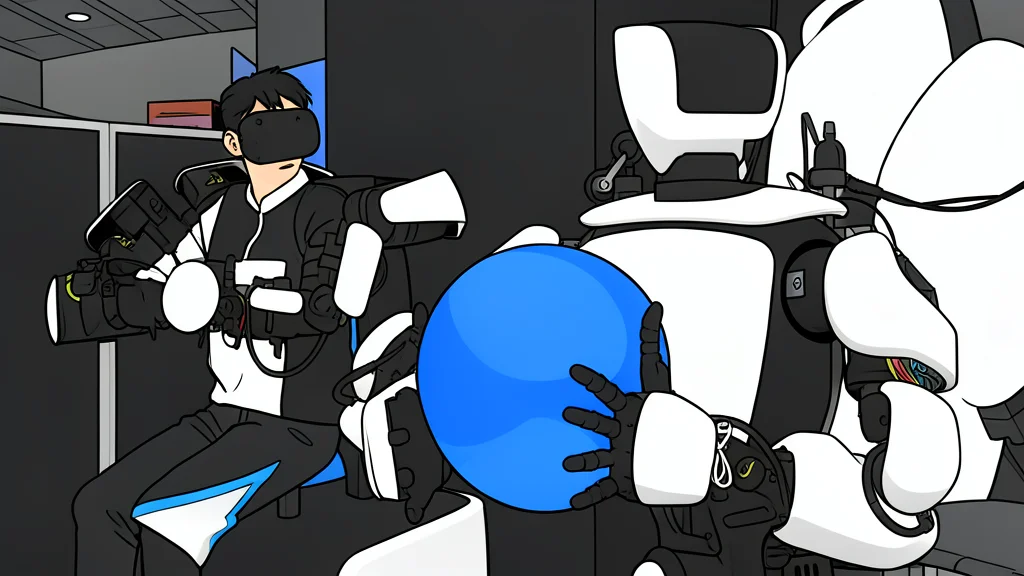
In battery manufacturing plants, heavy-duty humanoids are already lifting crates weighing dozens of kilograms. At production lines for major automotive and battery companies, these machines transport materials between stages of the assembly process. The deployment of over a thousand units indicates that these systems are no longer experimental prototypes but are being treated as standard equipment for logistics and material handling.
Quality control is another area where these machines are gaining ground. In Jiangxi Province, eight robots perform precise tests on tablet computers, checking audio, multimedia, and connectivity. Project managers note that these machines achieve efficiency levels comparable to human workers, logging thousands of continuous hours of operation. This reliability is crucial for industrial adoption, as downtime costs far exceed the expense of the robot itself.
Supply chains drive down hardware costs
The rapid drop in component prices has made widespread adoption financially viable. A motor that cost tens of thousands of yuan in 2018 can now be purchased for a fraction of that price. This dramatic reduction is driven by a dense domestic supply chain where manufacturers, robot makers, and end-users are often located in the same industrial clusters. This proximity allows for rapid iteration and problem-solving, reducing the time needed to fix issues from quarters to weeks.
China’s approach differs from other markets by prioritizing specific workstation needs over general-purpose AI development. Instead of building a universal brain and then searching for applications, developers define capabilities based on immediate industrial demands. This scenario-driven model ensures that the technology solves real-world problems, such as lifting heavy loads or performing repetitive inspections, rather than just demonstrating theoretical potential.
Performance differs from sustained labor
There is a critical distinction between a robot that can perform a task once for an audience and one that can work a shift. Performance impresses, but work must meet production targets consistently. The current challenge for developers is to ensure that these embodied systems can handle the unpredictability of real-world environments, such as varying object weights or changing lighting conditions, without failing.
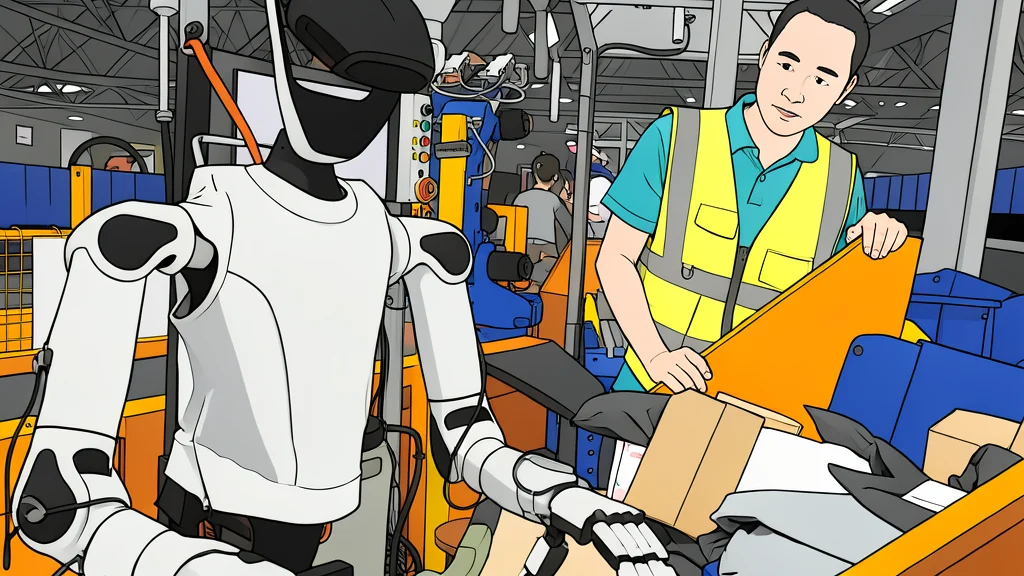
As these machines move into daily life scenarios, from postal sorting centers to convenience stores, the trade-off becomes clear. While the technology offers the promise of reduced labor costs and increased precision, it requires significant investment in infrastructure and training. The success of this transition will depend on whether the hardware can maintain its durability over time, turning the initial excitement of a demonstration into the quiet reliability of a factory worker.