Humanoid Robots Beat Bolt but Cost $120,000
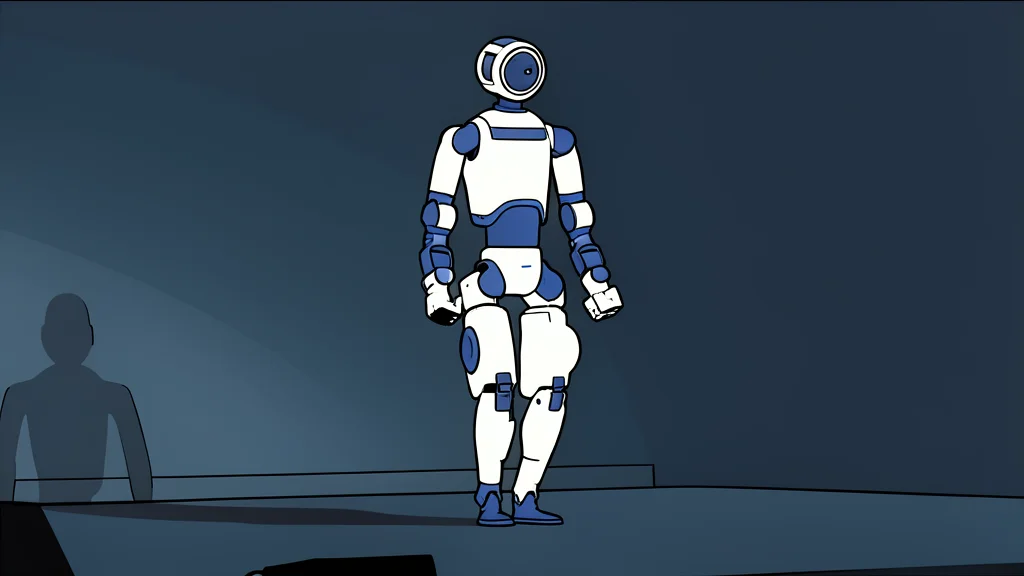
While robots now outpace human sprinters, experts warn that useful factory tasks remain difficult and expensive to automate.
Key points
- JPMorgan estimates that humanoid robots capable of supply chain tasks currently cost around $120,000 each.
- Citrini Research predicts a gradual rise in utility rather than a single 'ChatGPT moment' for robotics.
- Figure AI’s robots have successfully sorted 250,000 packages in recent commercial trials.
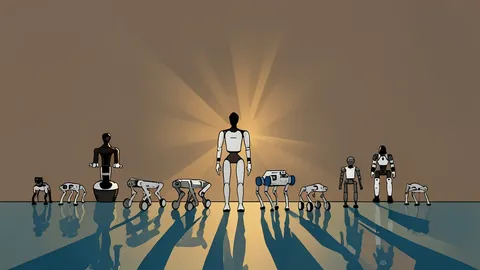
A humanoid robot recently shattered the human 100-meter sprint record in Beijing, outpacing Usain Bolt’s benchmark. This athletic milestone highlights a growing divide between what these machines can do in a straight line and what they can accomplish in a cluttered warehouse.
According to The Daily Upside, while the spectacle of robot sports is impressive, the practical utility of these devices remains limited. Experts note that running is mechanically simpler than the dexterity required for real-world labor, meaning the industry is still far from a single breakthrough moment.
Sprinting is easier than manual labor
Citrini Research argues that the robotics sector will not see one singular breakthrough. Instead, progress is coming from multiple sources as different companies solve specific problems. The challenge lies in teaching machines to comprehend their environment rather than just executing pre-programmed movements.
Recent demos show robots learning to stack cups or flip pancakes by watching short video clips. However, these are still basic tasks. The next step is handling the chaotic, variable nature of factory lines, where a robot cannot simply charge forward without colliding with obstacles.
Commercial trials test package sorting
Figure AI recently reported that its humanoids sorted 250,000 packages, a significant step toward commercial viability. Meanwhile, Chinese startup Spirit AI expects its wheeled robots to operate in battery manufacturing facilities within a year or two. These trials suggest that utility is arriving, but it is slow and incremental.
High costs limit widespread adoption
Even as capabilities improve, the price tag remains a major barrier. JPMorgan analysts estimate that a supply-chain-ready robot costs approximately $120,000. This is prohibitively expensive for many small and mid-sized businesses, limiting the immediate economic impact of this technology.
Elon Musk has set a distant target of $20,000 to $30,000 for Tesla’s Optimus, but competitors like XPeng are already pushing to lower costs. Until the price drops significantly, the trade-off between labor savings and hardware investment will keep most robots out of reach for the average business.