Humanoid Robots Need Digital Twins to Work Safely

As humanoid robots move from demos to factories, AI and virtual simulations are becoming essential tools for training them effectively.
Humanoid robots are transitioning from novelty demonstrations to practical industrial assets. Manufacturers in Southeast Asia are facing pressure to boost productivity while dealing with labor shortages and rising costs. As these robots approach production readiness, the focus is shifting to how they can be trained and integrated into complex manufacturing environments without causing operational disruption.
According to GN auto tech/robotics, the region is moving beyond simple proofs of concept. Initiatives like Singapore's Physical AI testbed in Punggol Digital District aim to create live environments where autonomous robots can be researched and deployed. This shift highlights a critical dependency: organizations now rely on AI and digital twins to prepare robotic behavior before it reaches the actual factory floor.
Training Time Becomes a Critical Factor
Humanoid robots require specific calibration for different tasks and operating conditions, much like human workers. Siemens estimates that training a single humanoid can take upwards of two weeks. Without the aid of AI or digital twins, this process would be significantly longer and potentially impossible for complex scenarios. For manufacturers with high-mix production lines and short cycles, reducing this training time is essential to accelerate deployment.
The challenge lies in the unpredictability of industrial environments. Even simple tasks become complex when conditions change. AI allows robots to generalize from previous experiences, adapting to new situations without extensive reprogramming. This capability is crucial for ensuring that robots can handle dynamic workflows safely and efficiently.
Virtual Replicas Reduce Real-World Risks
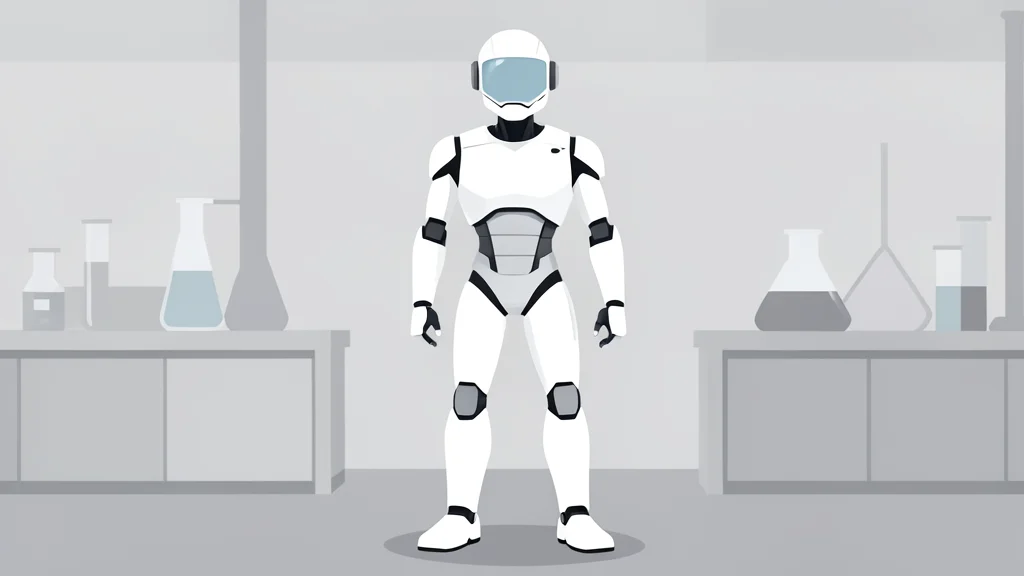
Digital twins allow manufacturers to create virtual replicas of their factories. In these simulated environments, humanoids can practice tasks and solve problems across thousands of scenarios. This method offers a significant advantage over physical testing, which is constrained by time, cost, and the risk of disrupting live operations. Simulation enables rapid, safe experimentation and continuous refinement of robotic behavior.
This approach is particularly valuable as Southeast Asia strengthens its position as a hub for advanced manufacturing in electronics, semiconductors, and automotive sectors. By validating workflows in a virtual setting first, companies can reduce implementation risks. This strategy helps shorten commissioning cycles and improves overall robot readiness, allowing for smoother integration into live production lines.
Balancing Speed and Safety in Adoption
The trade-off for adopting this technology is the initial investment in simulation infrastructure and AI integration. However, the potential to reduce months of traditional programming to just a few weeks offers a compelling efficiency gain. As humanoids become more common, the ability to test and optimize them virtually will be a key differentiator for manufacturers seeking to maintain competitiveness in a rapidly evolving industrial landscape.