Roblox Tests Browser Access and Offline Play
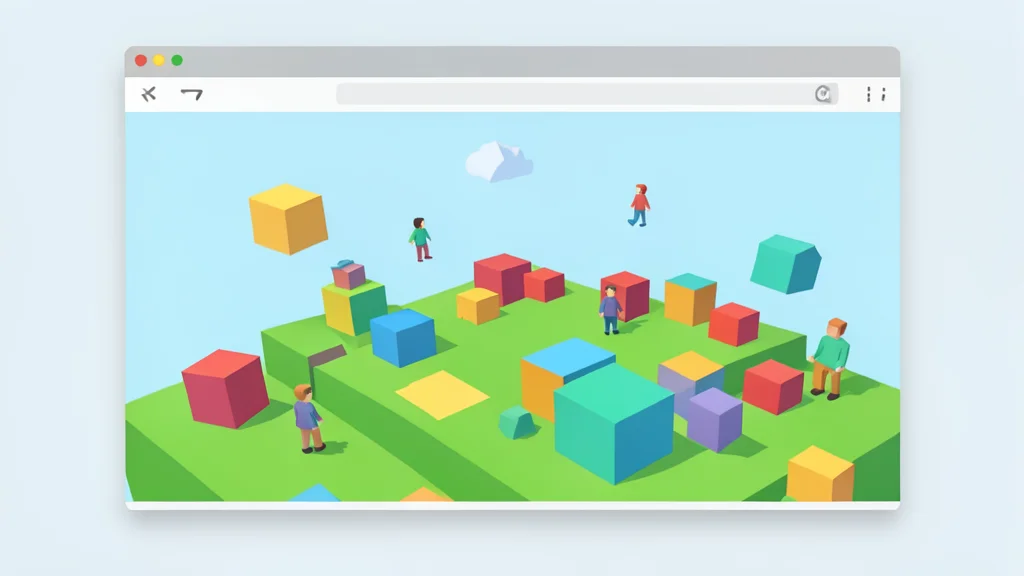
Roblox is testing new ways to play without a dedicated app or constant connectivity, aiming to lower the barrier to entry for casual gamers.
Roblox is introducing experimental features that allow users to launch games directly through a web browser. The company is also testing offline capabilities, which would let players continue sessions without a stable internet connection. These changes are part of a broader effort to make the platform more accessible and less dependent on specific hardware or app installations.
According to reports from GN technics/gaming, this shift aims to reduce friction for new users. By removing the need for a separate application, Roblox hopes to capture a wider audience who prefer lightweight, instant access. The move aligns with a growing trend in the gaming industry toward browser-based experiences that require minimal setup.
Technical Limits of Offline Play
While browser access is a straightforward technical step, offline gameplay presents significant challenges. Roblox is fundamentally built on real-time data, cloud services, and user interaction. Consequently, offline support will likely be restricted to specific game genres or single-player experiences. It is not expected to work for multiplayer titles that require constant server synchronization.
Developers on the platform must now consider these new constraints. Games designed for heavy online interaction may not benefit from this feature. This creates a trade-off where accessibility increases for casual play, but complex, social experiences remain tied to stable connectivity.
Impact on Developers and Users
Since Roblox relies heavily on user-generated content, any change in access methods affects creators as much as players. Developers may need to adapt their games to run efficiently in a browser environment. This could open opportunities for lighter, more mobile-friendly experiences, but it may also limit the scope of what can be offered offline.
For users, the benefit is convenience. Playing without downloading large files or maintaining a constant connection appeals to those with limited data plans or older devices. However, the feature is still in development, and its full scope remains unclear. The platform continues to refine its infrastructure to balance performance with accessibility.
Competitive Pressure in Gaming
The digital gaming market is increasingly competitive, with speed and ease of access becoming key differentiators. Roblox’s move is a response to this pressure. By lowering the technical hurdle, the company aims to retain existing users and attract new ones who might otherwise choose simpler, browser-native alternatives.
This strategy reflects a broader industry trend toward flexibility. As hardware requirements vary widely among users, offering multiple access points ensures a wider reach. The success of these features will depend on how well they integrate with the existing ecosystem without compromising the core experience.