Skin-Adhering Patch Offers Remote Pain Relief
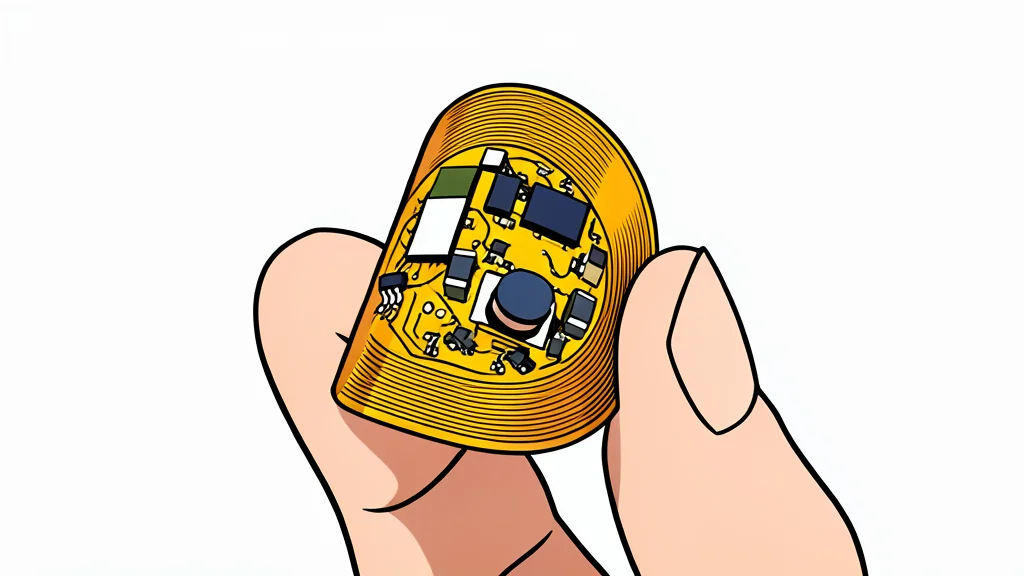
A new wearable device developed by KAIST researchers delivers electrical stimulation directly to the skin, bypassing traditional barriers to provide stable pain relief controlled remotely via smartphone.
Researchers at Korea Advanced Institute of Science and Technology (KAIST) have unveiled a wearable patch that delivers electrical stimulation for pain relief. The device uses microneedles to penetrate the outer layer of the skin, allowing for consistent signal delivery without the interference of sweat or dead skin cells. This approach aims to make electroceutical therapy more stable and effective than traditional methods.
The platform integrates Internet of Things technology, enabling users to control the stimulation remotely. In tests, the device functioned correctly even when controlled from another continent, demonstrating its potential for global use. While the technology shows promise in animal trials for pain management, it remains in the research phase and has not yet received regulatory approval for human clinical use.
Microneedles Bypass Skin Barriers
Conventional electrode pads often struggle with consistency because the outer layer of human skin, known as the stratum corneum, has high electrical resistance. This layer can also be disrupted by sweat and keratin, leading to fluctuating signal strength. The new device addresses this by using tiny, invisible pins that safely penetrate this resistant layer, ensuring the electrical current reaches the underlying tissues more reliably.
By stabilizing the interface between the device and the body, the system reduces the need for constant monitoring or adjustment. This is a significant improvement over gel-based electrodes, which can dry out or shift, causing interruptions in therapy. The design allows for a seamless connection that maintains therapeutic levels of stimulation over extended periods.
Remote Control Across Borders
The platform features a built-in sensor that automatically adjusts stimulation based on the user's physical condition. This automatic function is managed through an IoT connection, allowing a smartphone to serve as the remote control interface. Researchers verified this capability by controlling the device from the United States while it was located in Korea, confirming that the wireless link remains stable over long distances.
This connectivity allows for potential telehealth applications where doctors or caregivers can monitor and adjust therapy parameters remotely. However, the reliance on a stable internet connection is a trade-off. Users in areas with poor network coverage may experience delays in control or data transmission, which could limit the device's utility in remote or offline settings.
Animal Trials Show Promise
Initial animal experiments indicated that the microneedle patch delivered current more effectively than conventional gel electrodes. The study observed measurable pain-relief effects, suggesting the technology could be a viable option for chronic pain management. The joint team, led by Professor Jeong Jae-woong and Senior Researcher Lee Sang-hoon, published these findings in the wearable tech sector, highlighting the device's stability.
Despite these positive results, the device is not yet available for consumer use. The transition from animal models to human clinical trials will be a critical next step. Safety and efficacy must be rigorously tested in diverse human populations before the platform can be approved for widespread medical use. The research team plans to continue refining the device's sensitivity and battery life for future iterations.