Snap's New AR Glasses Trade Size for Standalone Power

Snap has finally released a standalone augmented reality headset that does not require a phone or external computer, but the high price and bulky design raise questions about its everyday appeal.
Snap has unveiled its first consumer-ready standalone augmented reality glasses, marking the end of a decade of experimentation with wearable tech. Unlike previous models that relied on tethers or external processing units, this new device operates independently. The company is betting that this self-contained approach makes AR accessible for daily use, though the $2,195 price tag suggests it is still a niche product rather than a mass-market staple.
According to Engadget, the hardware feels more polished than earlier iterations, with an operating system that supports apps designed for practical tasks. However, the device is significantly chunkier than standard eyewear, and users must decide if the convenience of a standalone unit outweighs the physical bulk and cost. It is a step forward in capability, but not yet a replacement for everyday glasses.
Standalone power requires larger hardware
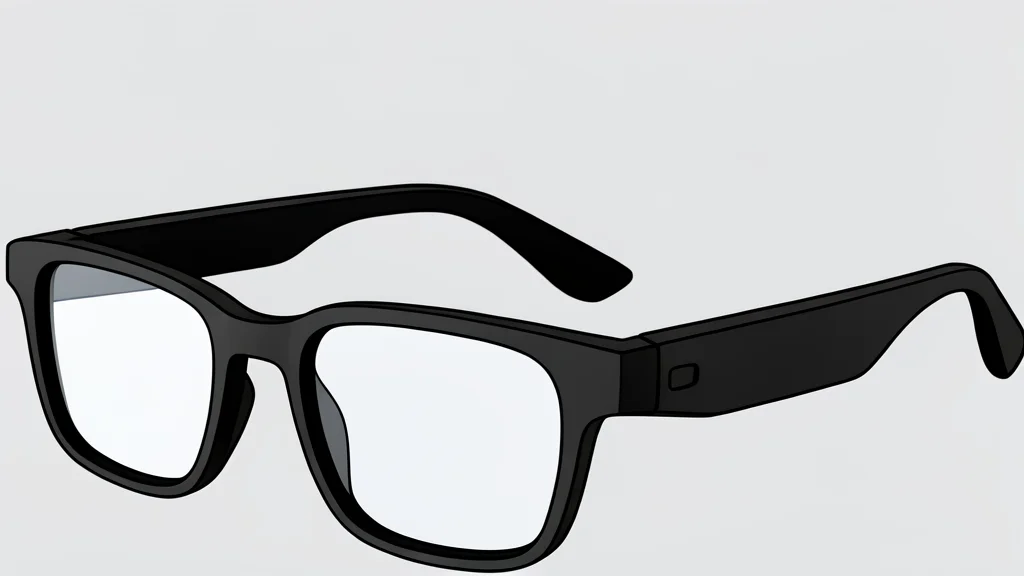
The most immediate trade-off for the user is size. At 132 grams, the frames are nearly twice as heavy as competing display-enabled glasses from Meta. While the weight feels evenly distributed and the fit remains secure without slipping, the device is undeniably bulky. It does not look like traditional eyewear, and the thick arms may be noticeable to others. For many, this visual and physical footprint is the primary barrier to adoption.
Snap argues that the added mass is necessary to house the processing power for a standalone experience. Without a tethered computer, the glasses must handle all rendering and tracking internally. This design choice eliminates the frustration of managing cables or external boxes, but it results in a product that looks more like a piece of tech equipment than fashion. The trade-off is clear: you gain independence from other devices, but you lose the subtlety of lightweight wearables.
Hand tracking works but has limits
Controls are managed through two cameras that track hand movements, eliminating the need for physical buttons or controllers. Users point with their index finger to move a cursor and pinch their thumb and index finger to select items. This interface feels intuitive and responsive for basic navigation. However, the system is sensitive to obstructions; hair falling in front of the cameras can cause the cursor to jump erratically, requiring the user to constantly manage their appearance to maintain control.
The display itself offers a 51-degree field of view, which is wider than previous models but still limited. Content can appear cut off at the edges, and visibility varies with lighting conditions. While the screen is bright and includes a dimming function for sunny environments, the reliance on hand tracking introduces a layer of complexity that physical buttons would avoid. It works well in controlled settings but may feel finicky in dynamic, real-world scenarios.
Software improvements anchor virtual objects
A significant software upgrade allows augmented reality windows to anchor in physical space. Unlike previous generations where virtual content stayed fixed in the user's view, these new windows move with the room as the user walks around. This creates a more stable and natural interaction, reducing the disorientation of looking around to find a menu that should be there. The operating system feels more mature, supporting apps that serve actual utility rather than just novelty.
Despite these improvements, the target audience remains unclear. The device is capable enough to compete with mixed reality headsets, yet it lacks the immersive scale of those larger systems. It is too expensive and bulky for casual use, yet too limited in scope for professional VR work. Snap has built a functional standalone AR device, but the high cost and physical trade-offs leave it in a difficult middle ground for consumers.