Korean Robotics Stocks Surge Despite Lagging Hardware Development
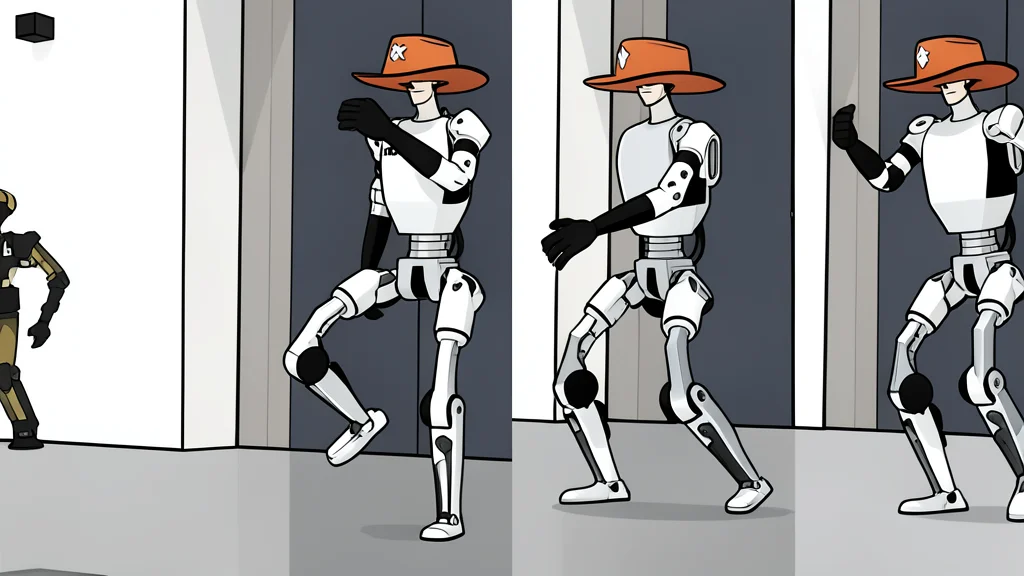
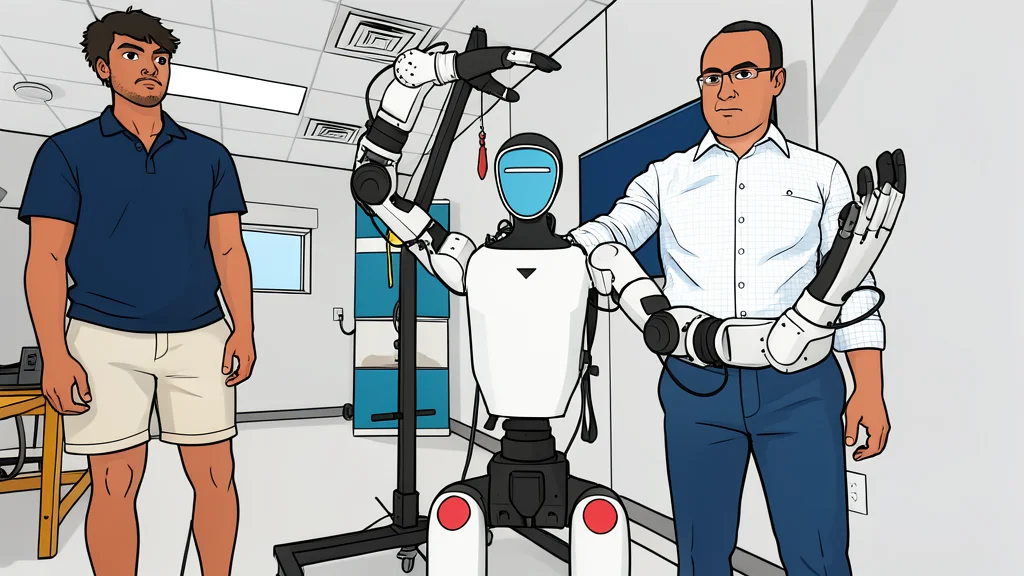
South Korean robotics shares are climbing rapidly, driven by a massive government budget shift toward physical AI and humanoid components, even as the actual technology remains in early stages.
Investor enthusiasm for South Korean robotics stocks has intensified, pushing several manufacturers into the upper echelons of the KOSDAQ exchange. Despite a recent correction in market values, the sector has shown remarkable resilience this month. This surge stands in contrast to broader anxieties about artificial intelligence investment in the United States, suggesting a distinct local momentum driven by specific policy changes.
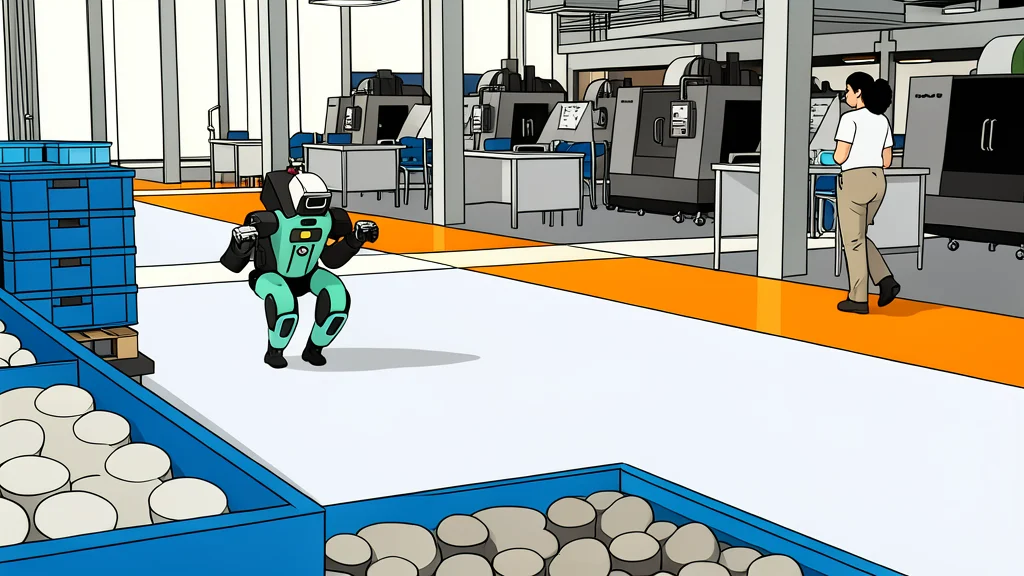
The rally is fueled by the anticipation that AI investment will expand beyond digital infrastructure like chips and data centers. The focus is shifting toward physical AI, where algorithms are embedded in machines that interact with the real world. This transition promises new commercial opportunities for companies that can deploy these technologies in manufacturing, logistics, and other industrial sectors.
Government budget drives market optimism
A significant factor behind the stock price increases is the South Korean government's proposed 2027 budget. The plan calls for more than tripling spending on physical AI to 3.1 trillion won, up from 900 billion won in the current year. This financial commitment signals a strategic pivot to support the commercialization of robotics, moving beyond mere research and development into mass production and field trials.
The budget specifically targets components critical to humanoid robots, including sensors, actuators, and secondary batteries. Funding for these items is set to increase by approximately 50.4 billion won. Officials have emphasized that this support aims to build a domestic supply chain, reducing reliance on foreign parts and accelerating the deployment of around 2,000 locally produced AI robots across various industries.
Stock prices outpace technological maturity
While financial markets react positively to these policy signals, there is a notable disconnect between stock valuations and current technological capabilities. Companies like Robotis and Rainbow Robotics have seen their market capitalizations rise sharply, with Robotis entering the top ten on the KOSDAQ. However, the actual deployment of these robots in commercial settings remains limited, with many projects still in the testing or early adoption phase.
The catch in this narrative is that high stock prices do not guarantee immediate profitability or widespread utility. The sector faces challenges in scaling production and ensuring reliability in real-world environments. Investors are betting on a long-term transformation, but the gap between government spending and tangible consumer or industrial benefits remains a significant hurdle for the industry to clear.
Physical AI reshapes industrial strategy
The broader implication of this trend is a restructuring of South Korea's industrial strategy. By prioritizing physical AI, the government is attempting to secure a competitive advantage in a field that is becoming increasingly global. This approach involves not just selling robots, but embedding them into the fabric of manufacturing, agriculture, and defense systems.
According to reports from GN auto tech/robotics, the focus on humanoid platforms is part of a larger push to integrate AI into tangible hardware. While the stock market reflects optimism, the success of this strategy will depend on whether these machines can deliver consistent value in complex, unstructured environments. The next few years will test whether this financial boom translates into a technological breakthrough.