Robotic Solar Deployment Accelerates for Data Centers
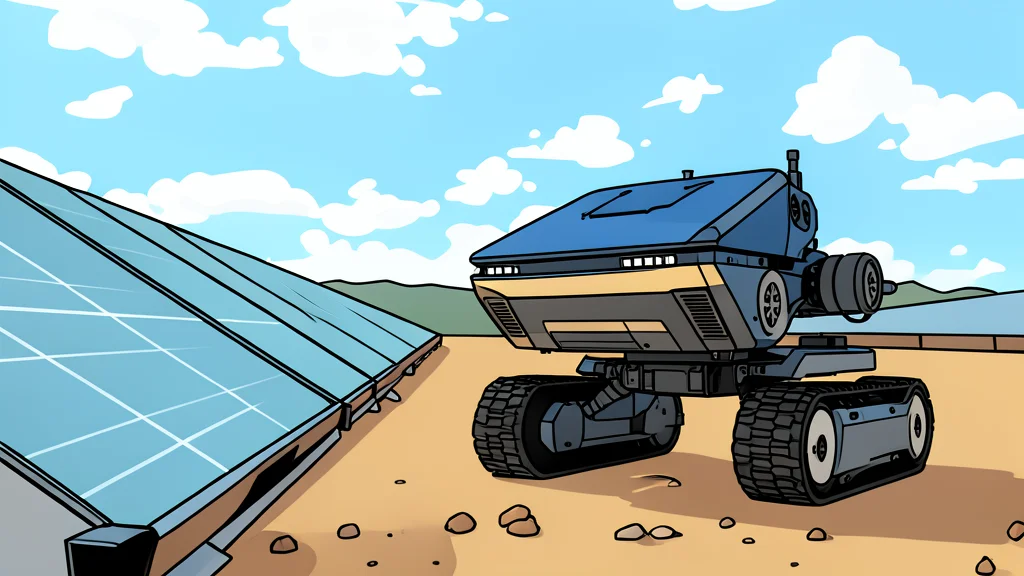
A California startup is using robots to install solar panels ten times faster than traditional methods, targeting the massive energy demands of modern data infrastructure.
Planted, a California-based company, has secured $31.8 million in new funding to expand its fleet of autonomous robots that install solar panels. The primary goal is to solve a critical bottleneck in the energy sector: the inability of traditional construction methods to keep up with the surging power requirements of industrial facilities, particularly data centers.
The capital will fund the launch of Sage, the company’s next-generation robot, while also scaling existing operations. According to Planted’s leadership, the industry needs to deploy solar capacity five times faster by 2050 to meet projected global demand. By treating power plant construction as a manufacturing problem rather than a manual labor challenge, the company aims to close this gap significantly.
Robotic Precision Reduces Construction Time
Traditional solar projects often face delays due to labor shortages, steel supply issues, and complex land preparation. Planted’s system integrates planning software with field robotics to automate these steps. This approach allows for high-density solar arrays that follow the terrain, enabling installation on land that is typically unsuitable for legacy tracking systems.
The efficiency gain is substantial. The company reports delivering twice the energy per acre compared to standard methods. This density reduces the total land footprint required for a project and accelerates the time from initial planning to power generation. For industrial buyers who need reliable power quickly, this speed is a decisive advantage.
Data Centers Drive Rapid Adoption
Data centers are increasingly turning to these automated solutions because of their rapid deployment capabilities. Planted recently completed a 28-megawatt behind-the-meter project for a neocloud data center. The entire process, from the initial request to active power generation, took just ten months, with field construction completed in under three months.
This speed is critical for facilities that cannot wait for years-long construction cycles. The company’s model has gained confidence from financial institutions, with independent engineering validation supporting project financing. This bankability makes it easier for developers to secure the necessary funds for large-scale energy projects.
Scaling Beyond Current Capacity
The new funding from investors including Piva Capital and Google will support a tenfold increase in deployment capacity. Planted deployed over 10 megawatts in 2025 and is on track to reach 100 megawatts in 2026. The company’s project pipeline now exceeds 20 gigawatts, indicating significant demand for this type of rapid, automated energy infrastructure.
While the technology offers clear benefits in speed and density, it relies on specialized robotic fleets and software integration. The transition from manual to autonomous construction represents a significant shift in how utility-scale solar is built, potentially reshaping the timeline for renewable energy adoption in industrial sectors.