New AI Framework Helps Robots Move Like Humans
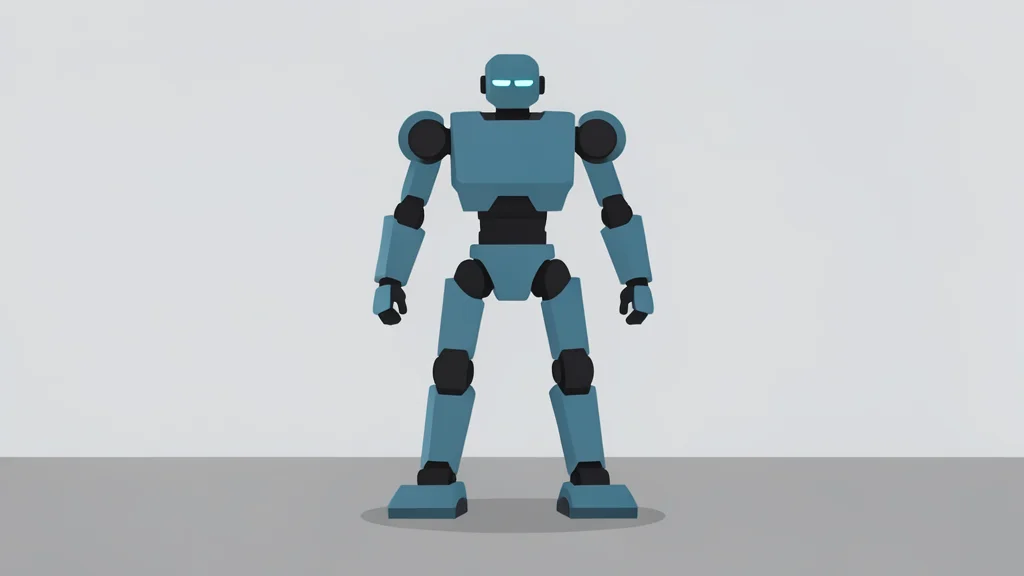
Researchers have developed a system that allows humanoid robots to learn a wide variety of natural movements from a single training setup, reducing the need for custom programming for each action.
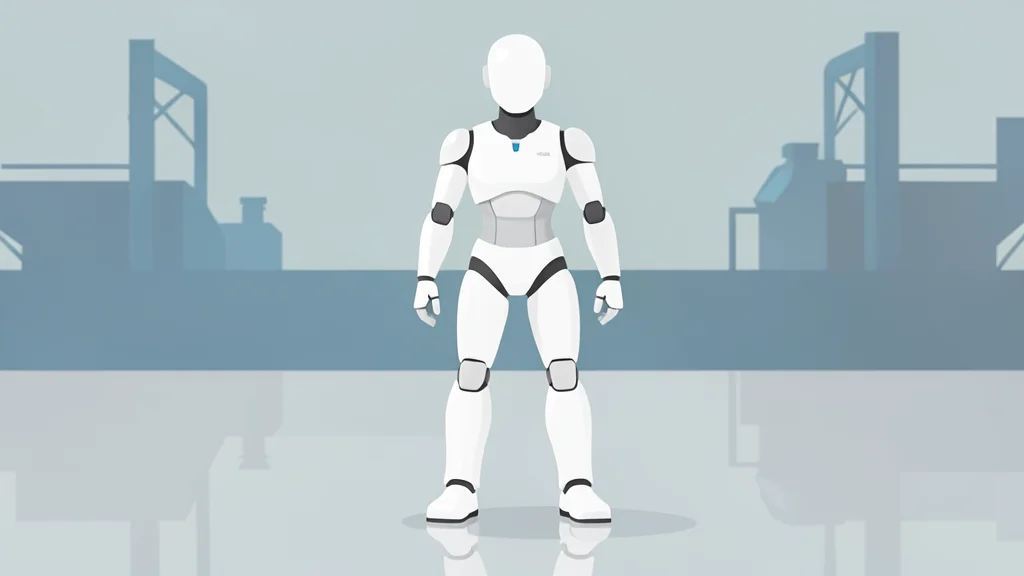
Humanoid robots have long struggled with clumsy, stiff movements that limit their ability to interact naturally with the world. Changing a robot's gait or adding a new skill like jumping often requires engineers to manually tune controllers for that specific task. This fragmented approach makes it difficult to create versatile machines that can handle diverse physical demands without extensive reprogramming.
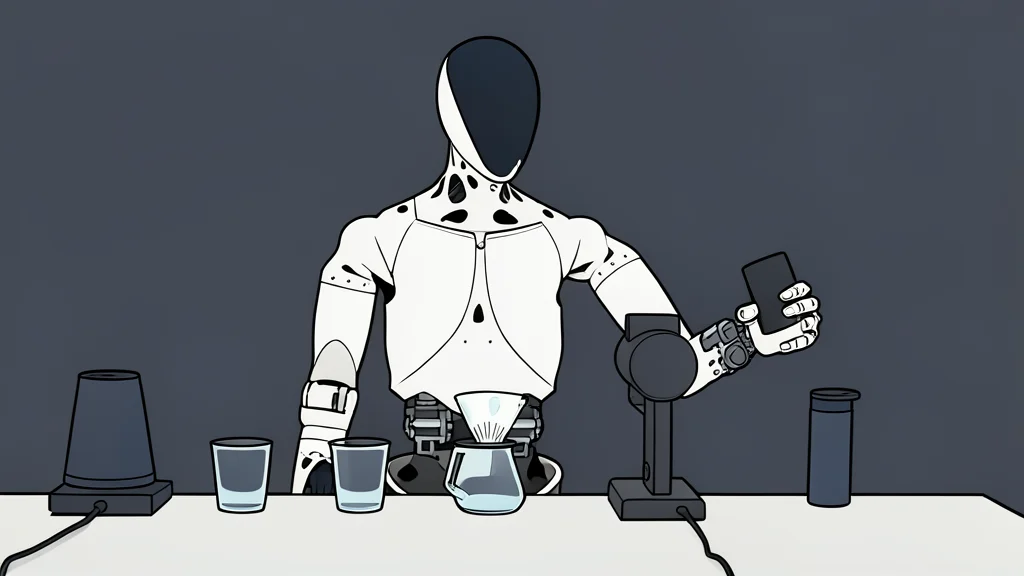
A team from UC Berkeley and Stanford University has introduced BeyondMimic, an artificial intelligence framework designed to solve this problem. The system teaches a single robot a broad range of human-like motions, from running to dancing, using one unified training method. By leveraging advanced machine learning techniques, the researchers aim to make robot movement more fluid and adaptable without requiring individual instruction for every new action.
Learning from Human Motion Data
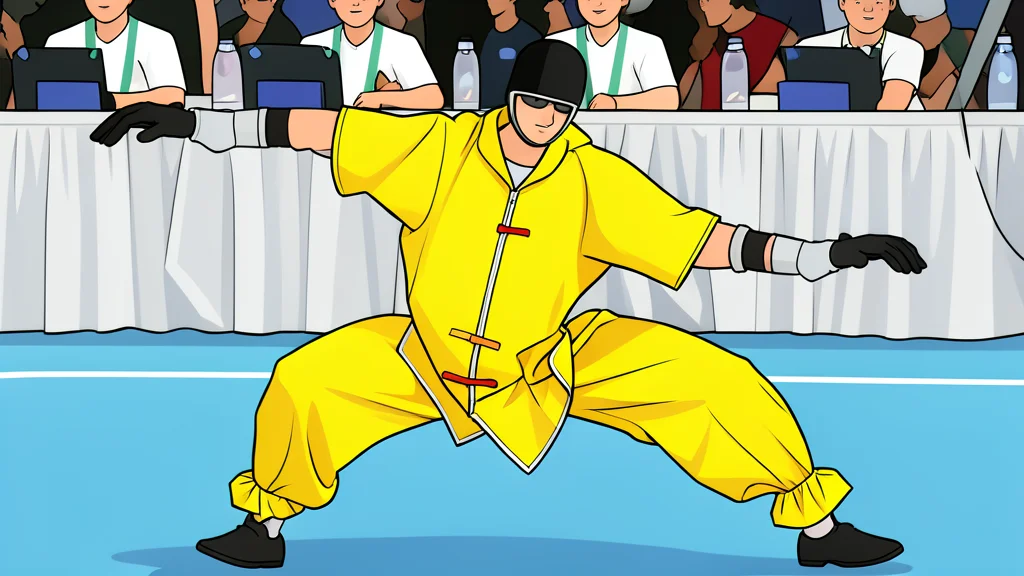
The foundation of BeyondMimic is a substantial library of human movement. Researchers recorded approximately 2.5 hours of video data showing people performing everyday activities and athletic feats. This dataset included walking, running, martial arts, jumps, and cartwheels. To make this data useful for a machine, the team adjusted the movements to match the physical proportions and joint configurations of the Unitree G1 robot.
The system then uses reinforcement learning to teach the robot how to replicate these motions. Instead of simple imitation, the algorithm rewards the robot for closely matching the position, orientation, and speed of the human reference. It also applies penalties for jerky movements or unsafe joint angles. This process encourages the development of smooth, stable control policies that prioritize both accuracy and safety during execution.
Generating New Movements
Simply copying recorded actions would limit the robot's utility in dynamic environments. To overcome this, BeyondMimic incorporates a diffusion model, a type of AI often used for generating images. This component learns to compress and reconstruct complex action sequences, allowing the robot to generate new movements or transition smoothly between different skills. This capability enables the robot to handle tasks it has not specifically seen before, such as avoiding obstacles while moving.
The researchers tested this adaptability by using the system for joystick teleoperation and obstacle avoidance. These tasks required the robot to combine and modify its learned skills in real-time. The success of these tests suggests that the framework provides a robust foundation for general-purpose motor control, rather than just a collection of pre-programmed tricks.
Real World Performance and Limits
After simulating the environment, the team transferred 30 representative motions to the physical Unitree G1 unit. The robot performed these skills on real hardware without needing additional task-specific training. In a study involving 77 participants, human observers judged the BeyondMimic movements to look more natural than those produced by the robot's standard controller in over 70 percent of comparisons. This indicates a significant improvement in the perceived fluidity of robotic motion.
However, the technology remains in the research stage. As noted in reports from GN auto tech/robotics, the ability to dance does not automatically translate to broader industrial usefulness. The main trade-off is that the system requires high-quality motion data and significant computational resources for training. Despite this, the potential to scale this approach could mean future robots will not require individual instruction for every new movement they are expected to perform.