Ancient Rocks Reveal Water Fueled Early Earth Volcanoes
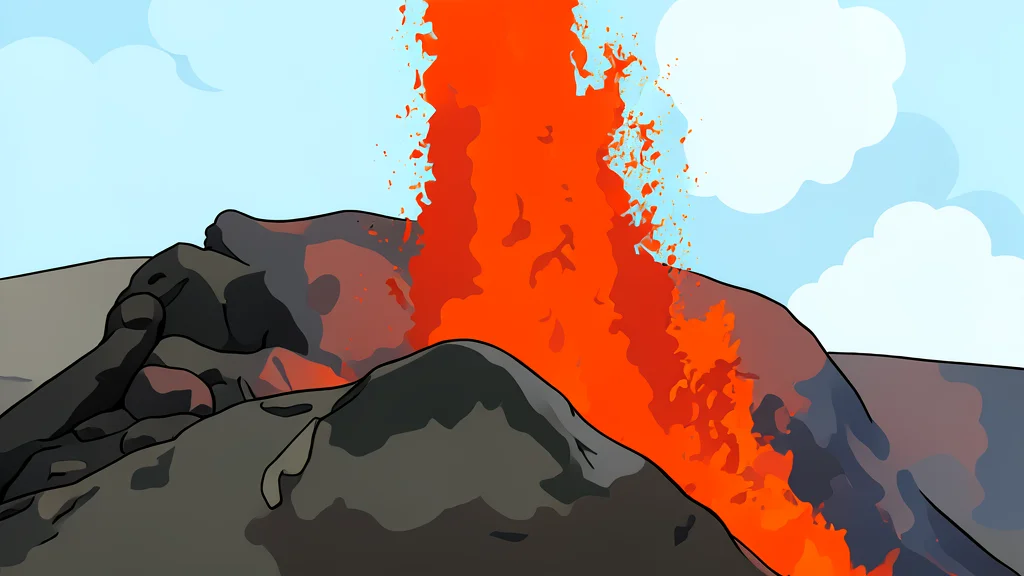
New research suggests water was already driving volcanic activity three billion years ago, challenging assumptions about how the young planet operated.
Geologists have uncovered evidence that water was already playing a critical role in Earth's volcanic activity more than three billion years ago. This discovery, reported by ScienceDaily, indicates that the planet was recycling water between its surface and deep interior much earlier than previously thought, even though the young Earth looked very different from the world we know today.
The findings come from an analysis of ancient rocks in Western Australia. These samples suggest that water-rich crustal material was sinking into the mantle, releasing moisture that helped create magma. This process would have fueled eruptions similar to those seen in modern volcanic regions, despite the absence of the large-scale plate movements that characterize today's geology.
Early Earth lacked modern plate tectonics
Today, plate tectonics drives the movement of water deep into the Earth. At subduction zones, one tectonic plate slides beneath another, carrying ocean water down toward the mantle. This water helps generate magma, which rises to the surface and builds continents. However, scientists have long debated whether this mechanism existed in the distant past, as the early Earth was likely too hot for rigid plates to move in this way.
The new study resolves this uncertainty by showing that water was reaching the deep interior even without established plate tectonics. This means the fundamental cycle of water moving between the surface and the planet's interior was active billions of years earlier than many models predicted. It suggests that the basic machinery for creating volcanoes and shaping the crust was already in place during the Archean eon.
Dripduction explains the water transport
Researchers propose a mechanism called dripduction to explain how water moved deep underground. In this scenario, dense, water-rich sections of the cooler outer crust would sag downward and collapse into the hotter mantle. As these chunks descended, they released their water content into the surrounding rock. This added moisture lowered the melting point of the mantle material, generating magma that eventually erupted to form the ancient volcanic rocks now found in the Pilbara Craton.
This process differs significantly from modern subduction. Instead of a continuous conveyor belt of plates, dripduction involves periodic collapses of crustal fragments. While less systematic than today's tectonics, it was effective enough to transport significant amounts of water into the deep Earth. The trade-off is that this process may have been less stable or consistent, leading to more episodic volcanic activity rather than the steady pattern seen along modern plate boundaries.
Rare rocks provide chemical clues
The study relies on some of the best-preserved rocks from the early Earth, located in the Pilbara region of Western Australia. These samples are rare because most rocks from this period have been recycled or altered by later geological events. By analyzing the chemical signatures locked inside these ancient stones, scientists were able to trace the journey of water from the surface to the mantle and back again.
Understanding when this recycling began is crucial for geology. It helps explain how continents grew and how the planet evolved into its modern form. The movement of water and other ingredients between the surface and the interior also has implications for the emergence of life, as these cycles distribute essential elements. The findings offer a clearer picture of the young Earth, showing that while the processes were different, the underlying dynamics of water and fire were already at work.