XPeng Activates Humanoid Robot Production Line
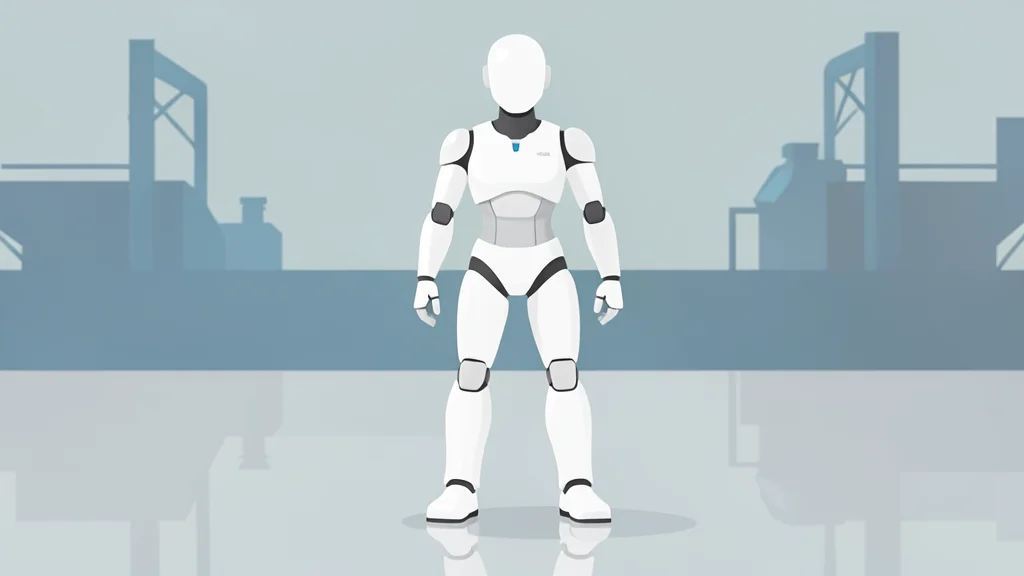
Chinese EV maker XPeng has launched a dedicated production line for humanoid robots, marking a pivotal shift from experimental prototypes to scaled manufacturing.
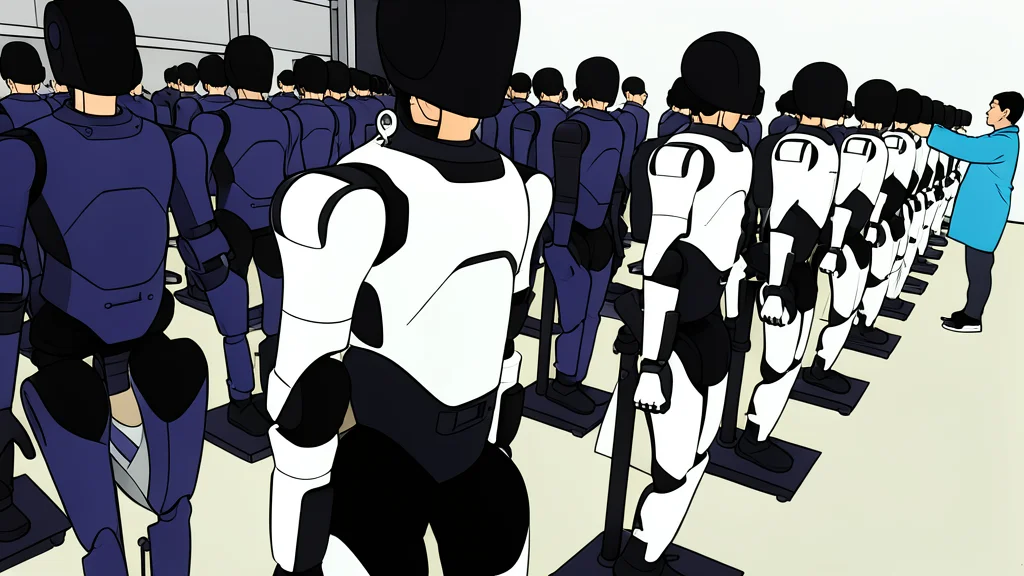
XPeng, best known for its electric vehicles, officially began operating a specialized line for assembling humanoid robots on Tuesday. The company demonstrated the capability by having one of its advanced units complete automated final assembly tasks before walking off the line without human assistance. This move signals a transition from laboratory testing to industrial application, positioning the robotics sector as a new frontier for major automotive manufacturers.
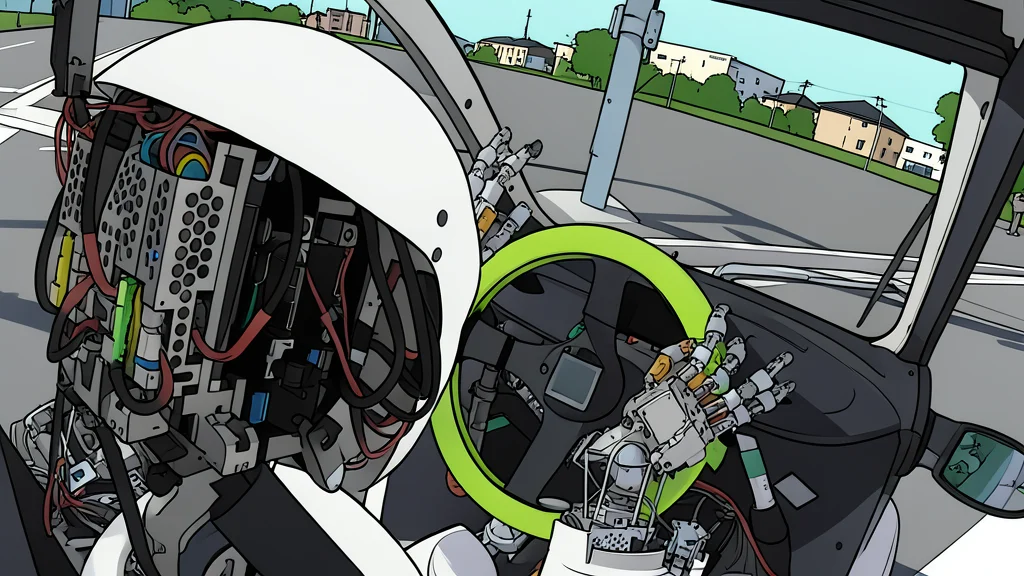
According to reporting by GN auto tech/robotics, this deployment is part of a broader trend in China where real-world testing is accelerating. Developers are moving beyond controlled environments to evaluate these machines in diverse scenarios, ranging from athletic competitions that stress dynamic motion control to outdoor trials that challenge their ability to navigate unpredictable terrain. The goal is to determine what technical milestones are required for these robots to achieve genuine utility in daily life.
From Prototype to Factory Floor
The primary advantage of integrating humanoid robots into an existing automotive supply chain is the transfer of manufacturing expertise. XPeng can leverage its established precision in component assembly and quality control to produce robots at a scale previously reserved for consumer electronics. This approach aims to reduce unit costs through volume production, a critical factor for making humanoid robots commercially viable outside of niche industrial applications.
However, this strategy carries significant trade-offs. Humanoid robots require far more complex software and sensory integration than standard electric vehicles. The hardware may be mass-produced, but the intelligence that drives them remains difficult to standardize. There is a risk that the production line will generate units that are mechanically sound but functionally limited, unable to perform the nuanced tasks that justify their high development costs.
Testing Limits in Real Environments
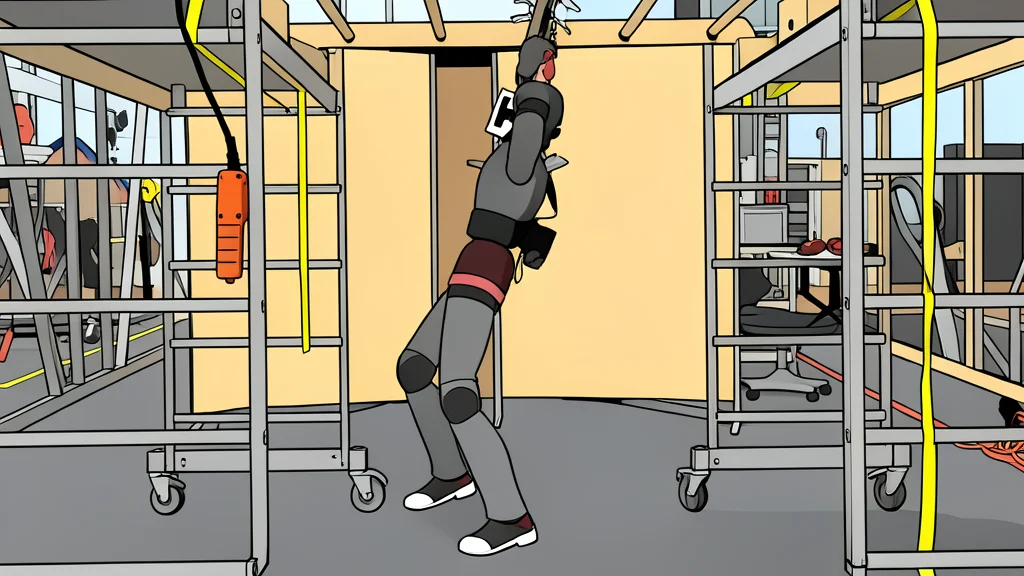
Beyond the factory walls, the industry is pushing these machines into increasingly chaotic settings to identify failure points. Athletic competitions serve as a rigorous test for balance and agility, while outdoor navigation trials expose robots to variables like uneven ground and changing weather conditions. These stress tests are essential for refining the algorithms that allow robots to interact safely with humans and their surroundings.
The expansion of testing scenarios reflects a pragmatic shift in the industry. Rather than aiming for perfect general-purpose intelligence immediately, developers are focusing on specific, high-value use cases. By identifying where the technology currently falls short, companies can prioritize software improvements that offer the most immediate practical benefit, gradually building toward broader adoption.
Challenges to Widespread Adoption
Despite the progress, the path to widespread utility remains steep. The cost of battery technology, sensors, and actuators remains high, making the price point prohibitive for most consumers. Furthermore, the regulatory landscape for autonomous robots in public spaces is still evolving, creating uncertainty for manufacturers planning large-scale deployments.
For now, the focus remains on proving reliability in structured industrial environments. The success of XPeng’s production line will depend on whether it can demonstrate consistent performance over long periods. If it can, it may set a new standard for the industry; if not, it will highlight the gap between hardware readiness and the complex software demands of real-world autonomy.