Xpeng Robot Walks Off Assembly Line Unassisted

A new video from a Chinese automaker shows a humanoid robot walking independently off its production line, signaling a tangible shift in the global robotics race.
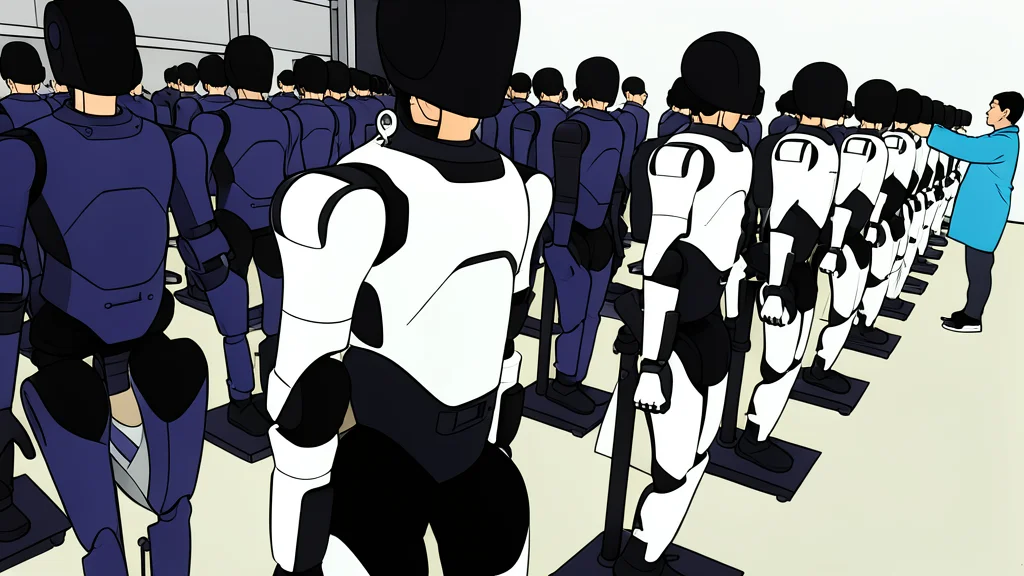
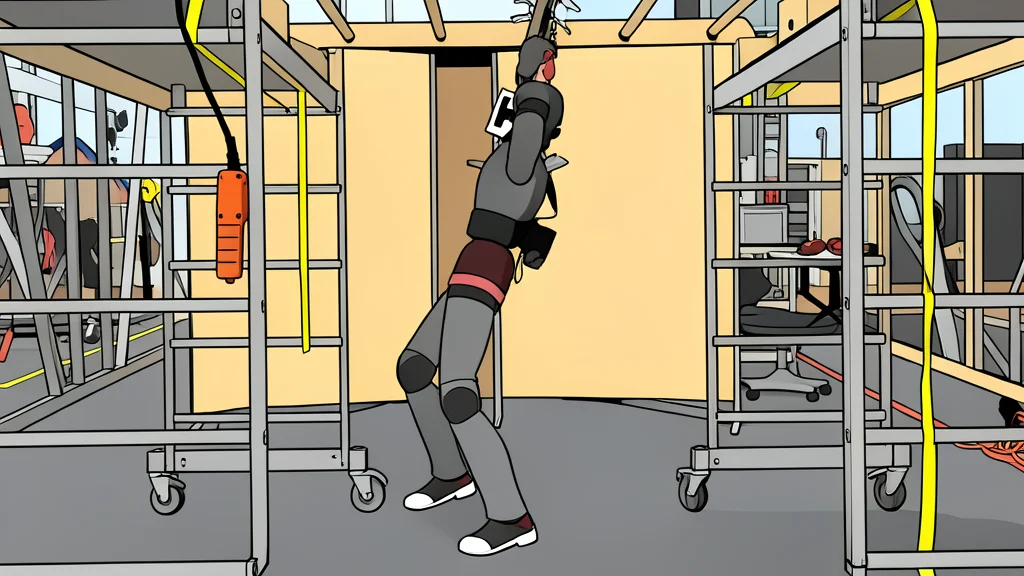
Xpeng, known primarily for its electric vehicles, has released footage of its humanoid robot, IRON, walking off the assembly line without human assistance. The clip captures the machine navigating a polished factory floor with steady gait, marking a visible milestone in the development of general-purpose labor robots.
This development intensifies the technological competition between the United States and China, where both nations are investing heavily in autonomous hardware. While the video demonstrates basic locomotion, it remains a proof of concept rather than a finished product ready for consumer homes or industrial deployment at scale.
Locomotion Signals Manufacturing Progress
The ability to walk independently is a critical engineering hurdle for humanoid robots. It suggests that the underlying sensors, balance algorithms, and actuator systems are functioning coherently. For manufacturers, this reduces the need for constant manual adjustment during the final stages of assembly, potentially lowering production costs and improving consistency.
According to reporting by GN auto tech/robotics, this step is part of a broader strategy to transition from prototype units to mass production. The company aims to leverage its automotive supply chain expertise to scale up robot manufacturing, a move that could accelerate the timeline for affordable, widely available humanoid units.
Trade-Offs Between Speed and Safety
However, walking off a line does not equate to functional utility. The catch is that current humanoid robots still lack the dexterity and cognitive robustness required for complex tasks in unstructured environments. A robot that can walk in a sterile factory setting may struggle significantly in a cluttered warehouse or a home, where unpredictability is the norm.
Safety remains a primary concern as these machines gain mobility. Without rigorous fail-safe mechanisms, a malfunctioning robot poses physical risks to workers. The industry faces a delicate balance between pushing for rapid deployment and ensuring that the technology is reliable enough to operate around humans.
Global Competition Drives Rapid Iteration
The release of this video is part of a wider arms race in robotics. Competitors in the U.S. and elsewhere are also unveiling advancements in bipedal movement and manipulation. This competitive pressure drives fast iteration, but it also risks compromising long-term reliability in favor of short-term marketing milestones.
For consumers and businesses, the immediate stakes are low, as these robots are not yet available for purchase. The real impact will be felt in the medium term, as the cost of humanoid labor begins to drop and the technology matures from a novelty into a viable economic asset.