Niche Robots Are Tackling the US Housing Labor Gap
The US housing market faces a severe labor shortage, yet the solution is not arriving in the form of sci-fi humanoid workers. Instead, specialized machines are addressing specific bottlenecks in construction.
The United States is currently short by approximately 1.2 million homes, a deficit driven largely by a shrinking pool of skilled workers. With nearly 300,000 construction jobs left unfilled at the end of 2025, industry leaders are looking to automation to bridge the gap. However, the technology delivering results today is far more modest than the popular imagination suggests. It is not replacing general laborers but rather targeting specific, repetitive tasks where precision is critical.
According to the National Association of Home Builders, this labor shortage costs the industry about $11 billion annually and adds roughly two months to average project timelines. Residential construction productivity has stagnated, rising only 16% since 1993, while the broader economy has seen gains exceeding 50%. Experts warn that while robotics can improve individual project efficiency, it is too early to claim these tools will solve the national housing crisis on their own.
Construction sites resist standard automation
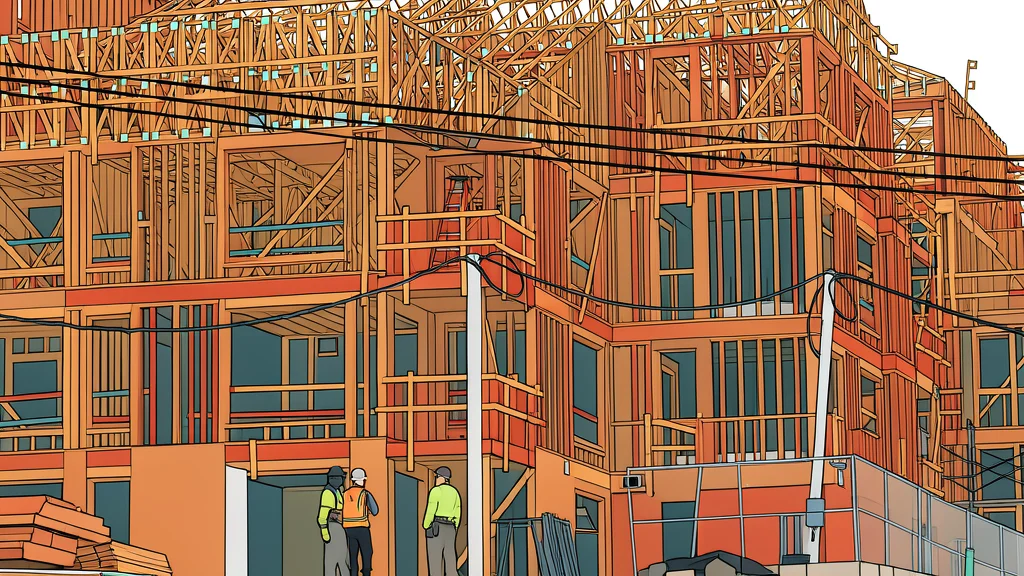
The fundamental challenge for robotics is that a factory is a controlled, static environment, whereas a construction site is constantly changing. Tessa Lau, founder of Dusty Robotics, notes that robots thrive on repetition in fixed locations. In construction, the workspace is literally being built around the machine. This variability makes it difficult to deploy general-purpose automation, as every project involves different soil conditions, architectural designs, and subcontractor requirements.
Patrick Murphy, chief investment officer at Coastal Construction, emphasizes that the lack of uniformity prevents the kind of repetitive automation seen in manufacturing. Consequently, the industry is seeing gains in narrow applications like layout marking and material handling rather than broad labor replacement. The goal is not to remove humans from the site, but to reduce errors and improve throughput in specific, well-structured tasks.
Precision tools replace human error
Much of the current value in construction robotics comes from preventing information mistakes. Lau’s own experience with a plumbing error that required chipping out tiled walls highlighted how easily data is lost between blueprints and physical execution. Modern robotic systems are designed to capture this information accurately, ensuring that fixtures are installed correctly the first time. This shift from manual guesswork to data-driven precision is where the measurable benefits lie.
Vineet Kamat, a professor at the University of Michigan, points out that the clearest results are in tasks like drilling, fastening, and factory-based assembly. The key question for investors and builders is no longer whether a robot can work in a pilot program, but whether it can operate reliably across varied conditions with a positive business case. The industry is moving toward a model where technology handles the repetitive and precise, leaving complex judgment calls to human workers.
Humanoid builders remain distant
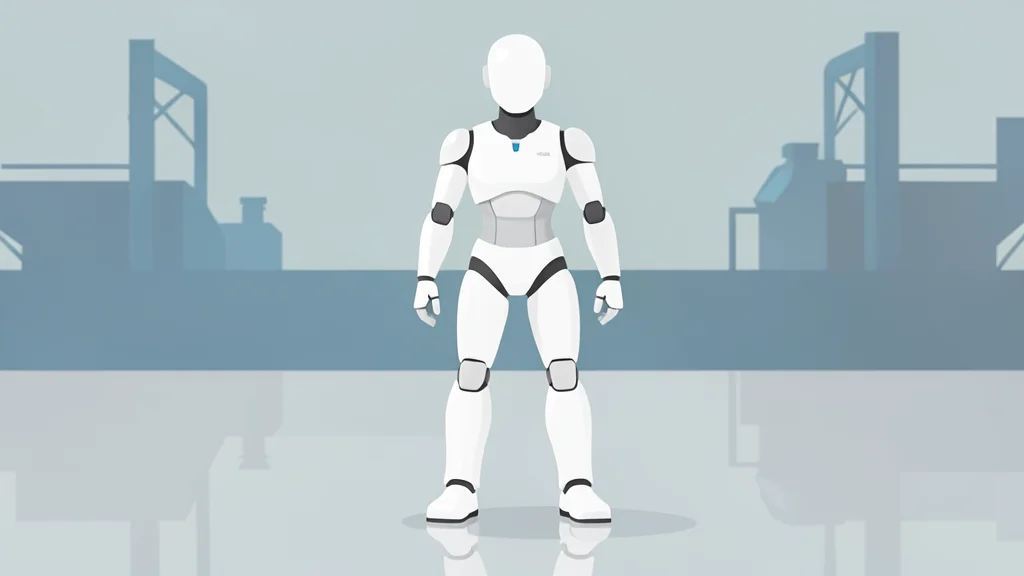
Despite media hype, the image of humanoid robots walking around job sites hanging drywall or painting walls is years away from reality. Murphy notes that this misconception is widespread among those who do not work in the field. Current technology is better suited for specialized, task-specific roles than for the adaptive, multi-skill labor required for general homebuilding. The focus remains on integrating narrow tools into existing workflows rather than replacing the workforce entirely.
As reported by GN auto tech/robotics, the trajectory of construction automation is one of incremental improvement rather than revolutionary replacement. While these tools help mitigate the impact of labor shortages, they are not a standalone solution. The industry must continue to address broader issues like regulatory costs, land availability, and financing to truly close the housing gap. For now, the robots are assistants, not replacements.