Punjab Uses Drones to Catch Evading Farm Fires
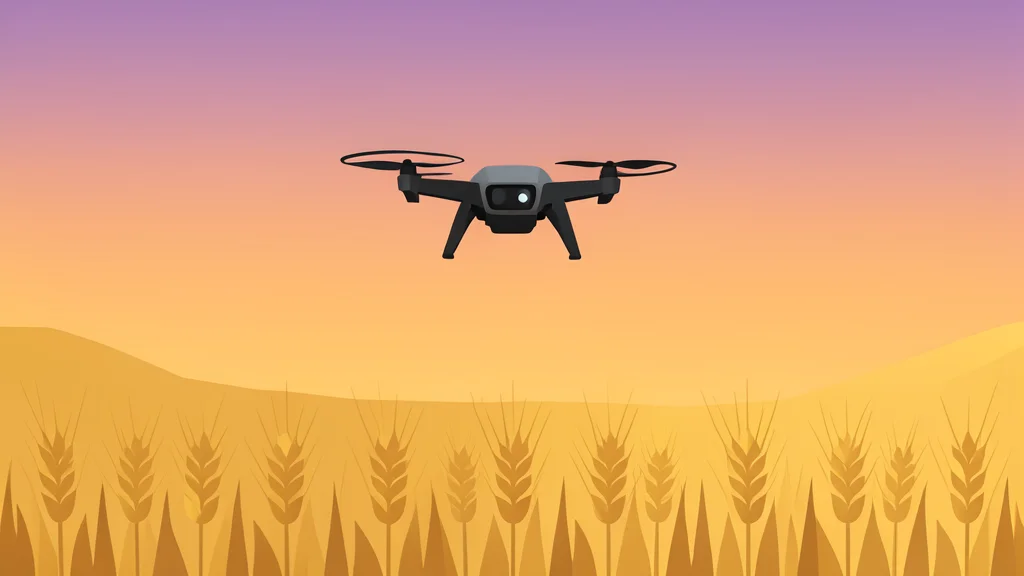
Punjab is deploying drones for the first time to detect crop residue burning that avoids satellite detection, targeting late-evening hours in high-risk districts.
Punjab is preparing to launch its first drone-based surveillance program to monitor crop residue burning. The state has seen a significant reduction in stubble fires, with cases dropping by 54% during the previous kharif season. However, officials note that a new challenge has emerged: farmers are increasingly burning fields during late evening hours to avoid detection by satellite systems.
To address this gap, the state government and the Punjab Pollution Control Board have received directives from the Commission for Air Quality Management to deploy unmanned aerial vehicles. These drones will focus on the 3 pm to 9 pm window, a time when satellite passes are less frequent. The goal is to ensure that the recent decline in fire incidents is sustained and that enforcement remains effective in areas where traditional monitoring methods have limitations.
Targeting Late Evening Burn
The primary motivation for this shift is the observation that late-evening burning has become a tactic to evade standard satellite tracking. While overall fire events have decreased, this specific time window previously went undetected. By using drones, authorities aim to map active fires and burnt traces against local land records. This allows for precise geo-tagging and documentation, ensuring that violations are recorded systematically rather than relying solely on periodic satellite images.
According to state officials, this marks a new phase in agricultural monitoring. Drones were previously used in Punjab for government infrastructure projects, mining surveys, and highway imaging. Their application for environmental enforcement represents a significant expansion of their utility. The technology provides a more immediate and flexible oversight mechanism, capable of responding to real-time conditions in the field.
Focus on Eight High-Risk Districts
The surveillance effort will concentrate on eight districts identified as high-risk zones. These areas include Sangrur, Ferozepur, Bathinda, Moga, Muktsar, Mansa, Tarn Taran, and Faridkot. Together, these districts accounted for 67% of the state's total stubble burning cases last year. By focusing resources here, the state aims to maximize the impact of the drone program where the problem is most acute.
Punjab supports nearly 31 lakh hectares of paddy cultivation, generating millions of tonnes of straw each season. The narrow window between rice harvest and wheat sowing often pressures farmers to clear fields quickly, leading to burning. While the state has invested heavily in crop residue management schemes and farmer education, the drone initiative adds a technological layer to these efforts. It serves as a deterrent and a verification tool for compliance.
Balancing Technology and Enforcement
The deployment of drones introduces a trade-off between enhanced oversight and operational complexity. While the technology improves detection accuracy, it requires coordinated action from district administrations and strict adherence to standard operating protocols. The state has spent significant funds on crop residue machines and digital advisories, but enforcement remains a critical component. Drones help close the loop by providing verifiable data on where and when fires occur, supporting lawful and systematic enforcement actions.
As paddy harvesting gains momentum from mid-October, the effectiveness of this new monitoring system will be tested. The collaboration between the state government and the pollution control board aims to reduce air pollution contributions from the region, which significantly impacts the National Capital Region. By addressing the specific issue of evasive burning, Punjab seeks to maintain its progress in reducing stubble fires while adapting to new challenges in agricultural practices.