AI Infrastructure Investment to Reach $31.6 Trillion by 2050

Analysts predict a massive multi-decade shift in global spending on data centers, driven by the relentless need for faster and more powerful hardware.
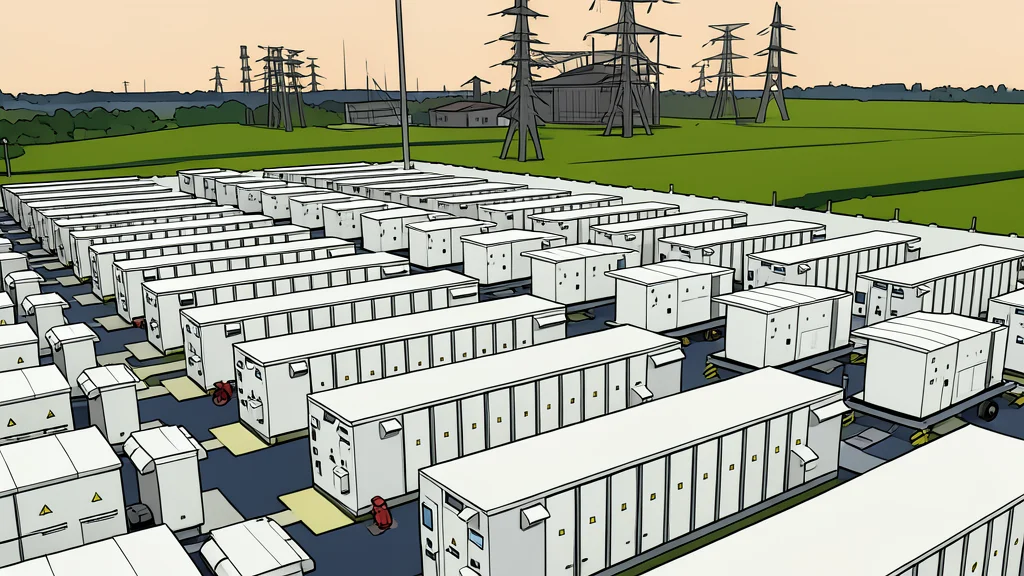
The expansion of artificial intelligence infrastructure is not a passing trend but a permanent structural change in the global economy. BIMB Securities, citing data from the GN auto tech and cloud sector, notes that major technology companies are continuing to increase their capacity rather than pulling back. This sustained growth is fueled by the constant need for more capable AI models, which require ongoing upgrades to servers, networking equipment, and data centers.
While short-term market dips are common, researchers indicate that the primary signs of a major downturn have not yet appeared. There are no widespread budget cuts, no evidence of overcapacity in data centers, and no drop in demand for semiconductors. Instead, the upward trajectory for AI-driven chips remains strong, supported by rising shipments of AI accelerators and continued revenue growth in the data center sector.
Long-Term Spending Projections
Global capital expenditure for data centers is projected to grow significantly over the next few decades. According to a base case scenario cited by BIMB, spending could expand from $0.8 trillion in 2026 to $31.6 trillion by 2050. If AI adoption accelerates further, the potential upside could reach $50 trillion. This represents a shift away from previous technology cycles, where demand often spiked and then collapsed.
The difference this time lies in the nature of the hardware. Unlike software or services, physical components like servers, GPUs, and networking equipment have a limited lifespan. These items typically need replacement every four to six years, ensuring a steady stream of demand regardless of how fast new AI models are developed. This recurring need creates a durable foundation for investment that is less susceptible to sudden market shocks.
Hardware Upgrades Drive Demand
The industry is actively pushing for higher bandwidth and faster data transmission to handle increasingly intensive AI workloads. A clear indicator of this is the transition from 800G to 1.6T optical transceivers. These components are critical for moving data quickly between servers, and the shift to higher speeds reflects the continuous need for infrastructure that can support the growing complexity of AI tasks.
This momentum is visible across the supply chain, with healthy growth in shipments of key components. The buildout looks less like a temporary boom-and-bust cycle and more like a permanent shift in how the global economy operates. Companies are investing in physical infrastructure that will require maintenance and replacement for decades, creating a long-term tailwind for the sector.
Regional Resilience in Asia
Even if AI spending were to slow down in the future, not all regions would be equally affected. Analysis suggests that only some technology firms in the Asia-Pacific region would possess the resilience to withstand such a shift. The widespread adoption of AI infrastructure has created a deep dependency on these hardware upgrades, meaning that the economic impact of a slowdown would be concentrated rather than universal.
The current environment favors companies that can keep pace with the rapid evolution of hardware standards. As the gap between 800G and 1.6T technologies widens, the pressure to upgrade continues. This creates a competitive landscape where staying current is not just a strategic choice but a necessity for survival in the AI-driven market.