Huawei Plans Million-Processor AI Systems for 2027
Huawei is preparing to challenge Nvidia's dominance with new AI chips and a massive interconnect technology that links processors into single supercomputing units.
Huawei is moving beyond its efforts to replace Windows in China by targeting the core of the global AI hardware market. According to reports from GN auto tech/hardware, the company has announced two new AI processors scheduled for release in 2027. These chips, named 960DT and Ascend 960PR, are part of a broader strategy to build a complete alternative to the ecosystem currently dominated by Nvidia.
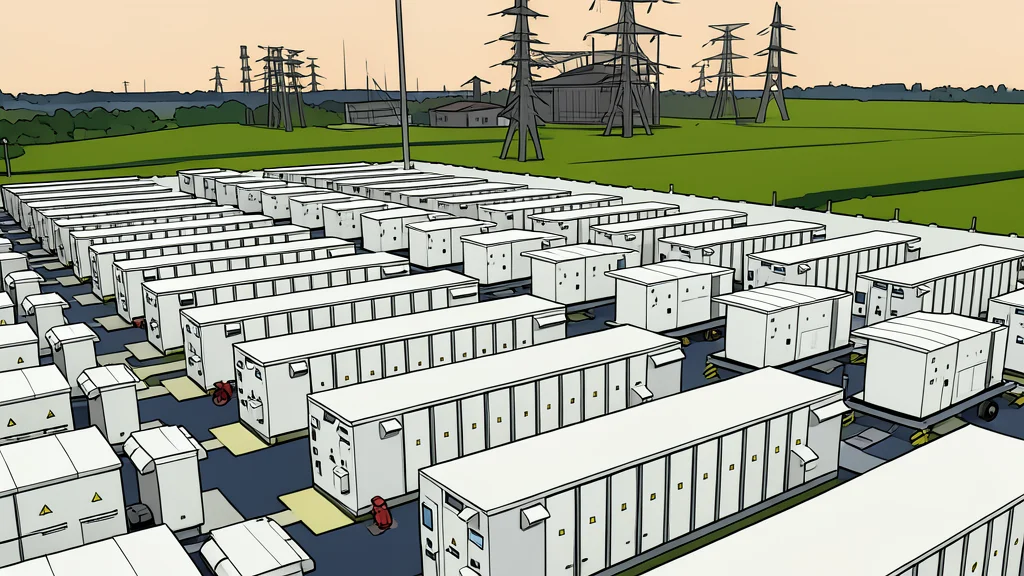
The announcement focuses less on individual chip speed and more on how these processors connect. Huawei is introducing a technology called UnifiedBus, which allows large numbers of AI chips to function as a single computing system. The company claims its largest configurations can link up to one million processors, a scale designed to compete with the massive clusters used by major AI labs.
Building a complete computing ecosystem
Simply producing a faster chip is rarely enough to displace an industry leader. Nvidia’s advantage comes from a deeply integrated ecosystem of software tools, networking hardware, and a massive developer community. Huawei is attempting to replicate this by ensuring its new chips work seamlessly together. The company reports that it has already developed eleven semiconductors based on the UnifiedBus standard for use in these large-scale systems.
Huawei is not waiting for the 2027 releases to start building this market. The company states it has shipped over 1,000 supernodes to more than 370 customers. A supernode is a pre-assembled unit combining multiple AI chips to handle complex tasks. While Huawei has not disclosed the exact chip count per node or the specific identities of all customers, these shipments indicate an active effort to establish a domestic AI computing base.
Overcoming US export restrictions
This aggressive expansion is driven by the reality of U.S. export controls. These regulations restrict the sale of advanced AI chips and semiconductor manufacturing equipment to China. As a result, Chinese companies cannot simply purchase the latest hardware available to American competitors. Huawei’s strategy is to compensate for this lack of access by aggregating large numbers of locally available processors into increasingly powerful machines.
The catch is that developers have spent years building software around Nvidia’s CUDA platform. Migrating to a new system requires significant effort and trust. Huawei claims its ecosystem is growing, with over 5,000 monthly active developers. However, this number remains small compared to the global community surrounding Nvidia. The success of the 2027 chips will depend on whether this domestic push can create a viable alternative for developers who are currently locked into the existing standard.
The trade-off of scale
Huawei’s approach relies on the principle that many connected processors can outperform a few highly advanced ones. This is a valid engineering strategy, but it comes with trade-offs. Managing a million connected processors introduces significant complexity in data transfer and error handling. While the company claims its UnifiedBus technology solves these issues, there is no independent verification that a million-chip system is currently operating in a production environment.
The claim of one million processors represents a theoretical maximum capacity rather than a proven daily workload. For readers, this means the 2027 launch will be a test of whether Huawei can make this complex architecture practical for everyday business use. If successful, it could reshape the global AI hardware market by proving that local, interconnected systems can rival imported, high-end silicon.