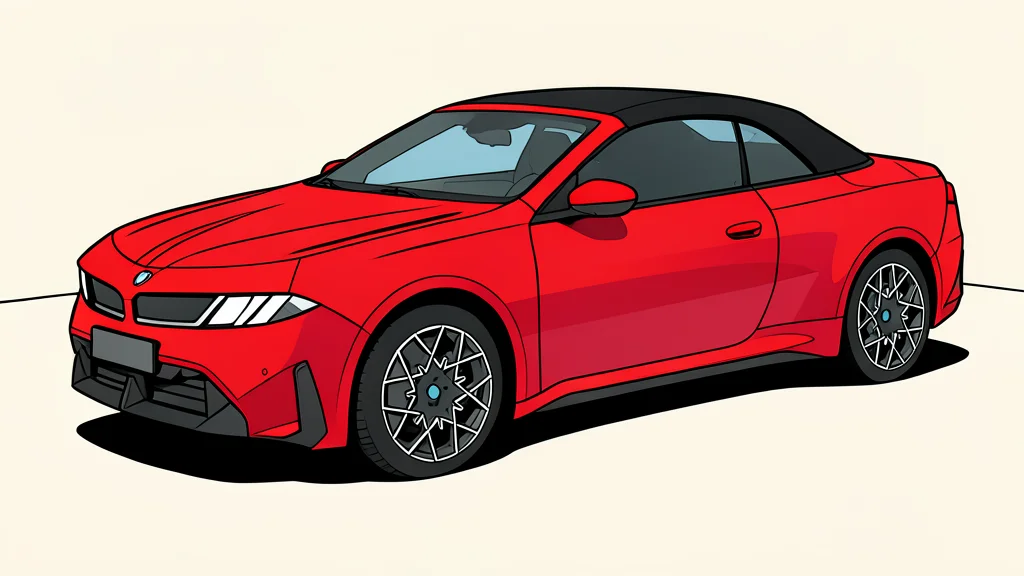
ROHM Silicon Carbide Chips Power BMW's New Electric Platform
ROHM Semiconductor has confirmed that its silicon carbide components are now embedded in BMW's upcoming 'Neue Klasse' electric vehicles, aiming to improve range and charging efficiency.
ROHM Semiconductor has confirmed that its silicon carbide power chips are now part of the electric powertrain architecture for BMW's new 'Neue Klasse' vehicle platform. The components, developed by the Japanese firm, are designed to handle the high electrical demands of modern electric cars while maintaining stability under stress. This integration marks a significant step for the chipmaker, which has long focused on automotive-grade electronics.
The partnership highlights a broader industry shift toward using advanced materials in electric vehicle design. By using silicon carbide instead of traditional silicon, manufacturers can create power electronics that operate at higher temperatures and voltages. This technical upgrade allows the vehicle's battery management and motor control systems to function more efficiently, which is critical for the performance of the next generation of premium electric cars.
Silicon carbide improves energy efficiency
The primary benefit of these chips is their ability to reduce energy loss during the conversion of power from the battery to the wheels. Traditional silicon components generate more heat and waste more energy in this process. Silicon carbide devices handle these tasks with greater precision, meaning the car can travel further on the same amount of stored energy. For drivers, this translates directly into a longer driving range without needing to increase the physical size or weight of the battery pack.
This efficiency gain also supports faster charging capabilities. Because the power electronics can handle higher currents with less thermal stress, the vehicle can accept energy from charging stations more rapidly and safely. The components are engineered to withstand the rigorous conditions of automotive use, including extreme temperatures and vibrations, ensuring that the performance benefits remain consistent over the vehicle's lifetime.
ROHM's role in the supply chain
ROHM, established in 1958, positions this integration as a validation of its long-term strategy in automotive power electronics. The company supplies these components to vehicle manufacturers and tier-one suppliers globally. According to reports from GN auto tech/ev, this deal underscores the chipmaker's focus on reliability and quality. The firm emphasizes that its solutions are not just standalone parts but are designed to work within complete powertrain systems to maximize overall vehicle performance.
The move reflects a competitive landscape where semiconductor performance is becoming a key differentiator for electric vehicles. As automakers push for higher efficiency and faster charging times, the demand for robust power management chips is rising. ROHM's involvement in the BMW platform suggests that its technology meets the stringent standards required by premium brands, which often demand higher reliability margins than those seen in the mass-market segment.
Trade-offs of advanced semiconductor use
While silicon carbide offers clear performance advantages, it comes with specific trade-offs that consumers should understand. These chips are generally more expensive to manufacture than their silicon counterparts, which can contribute to the higher cost of electric vehicles. Additionally, the technology requires specialized manufacturing processes that are still scaling up to meet global demand. This means that while the performance boost is significant, the financial and logistical costs of producing these components remain a factor in vehicle pricing.
Furthermore, the reliance on such specialized components creates a dependency on specific supply chains. If production of these chips faces disruptions, it could impact the assembly of electric vehicles. However, for the end user, the immediate benefit is a more responsive and efficient driving experience. The integration into BMW's new architecture demonstrates that the industry is willing to pay the premium for these technical gains to deliver better range and charging speeds.