Huawei Integrates AI Data Centers Directly into Power Grids
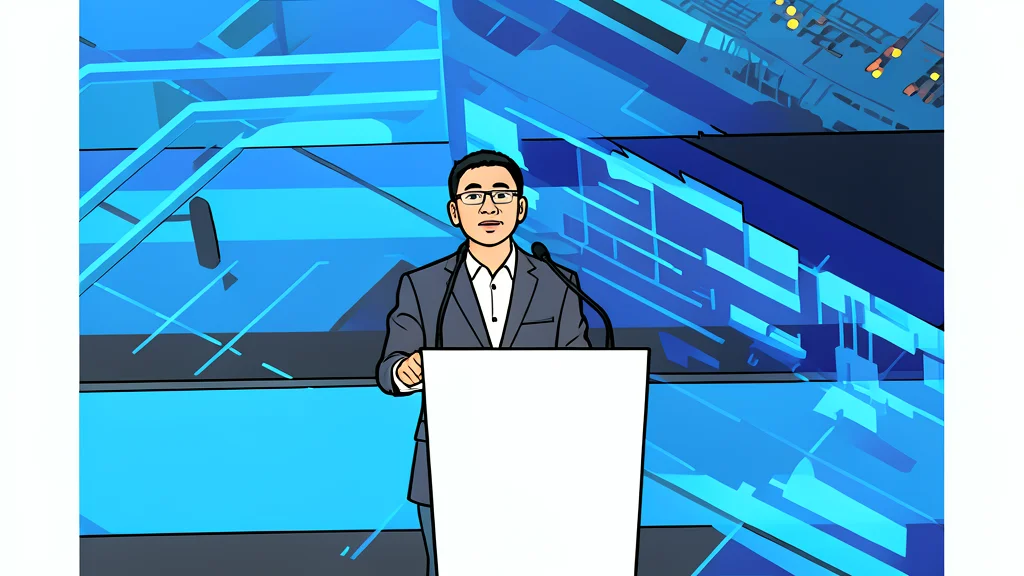
Huawei has unveiled a new infrastructure approach that treats AI data centers not as passive energy consumers, but as active participants in the electrical grid. The strategy aims to stabilize power supply while maximizing computational output per unit of energy.
At the Huawei Connect 2026 event in Shanghai, the company launched its grid-interactive AIDC solution. This system addresses the critical challenge of powering massive AI workloads, which require significant electricity but often cause fluctuations that stress the local power grid. By integrating energy storage and advanced cooling directly into the data center architecture, Huawei seeks to turn these facilities into stable nodes within the broader energy network.
The core objective is to maximize tokens per watt, a metric that balances computational output against energy consumption. Traditional data centers act as rigid loads on the grid, but this new design allows them to absorb local power variations and support grid stability. This shift is driven by the growing share of renewable energy sources, which introduce their own variability, requiring infrastructure that can dynamically adapt to changing supply and demand conditions.
Stabilizing Power Through Hybrid Storage
A key component of the solution is a multi-layer hybrid energy storage system. According to Bob He, Vice President of Huawei Digital Power, this setup allows the data center to smooth out the rapid power fluctuations inherent in AI workloads. Instead of simply drawing power from the grid, the facility uses intelligent lithium batteries and grid-forming energy storage to buffer demand. This reduces the risk of grid disconnections and wideband oscillations, which are common issues when high-frequency computing loads interact with traditional power infrastructure.
The system also introduces a future-oriented power supply architecture designed to maintain reliability even as the grid becomes more reliant on power electronics. By coordinating supply and consumption in real-time, the data center can operate as an integral part of the new power system. This approach ensures that the facility remains online during minor grid instabilities, protecting the expensive hardware and the critical AI training processes running inside.
Advanced Cooling for High-Density Compute
Managing heat is equally critical for efficiency. Huawei has deployed an AI-powered liquid cooling system that predicts the health of working fluids and facilitates predictive maintenance. This technology moves beyond simple heat removal to actively monitor the cooling infrastructure, preventing failures that could lead to overheating and reduced performance. The integration of liquid cooling with the power management system ensures that energy is used efficiently for both computation and thermal regulation.
As AI workloads grow in intensity, traditional air cooling methods become less effective and more energy-intensive. The new solution addresses this by optimizing the entire thermal chain. By reducing the energy required for cooling, more power can be directed toward actual computation. This directly supports the goal of maximizing tokens per watt, ensuring that the infrastructure delivers more value for the energy it consumes.
Rapid Deployment and Modular Design
To address the slow construction timelines typical of large-scale data centers, Huawei emphasizes modular and prefabricated delivery methods. This approach significantly shortens the lead time for new facilities, allowing operators to scale their AI capabilities more quickly. The design focuses on product-based delivery, where components are manufactured and tested off-site before being assembled, reducing on-site complexity and potential errors.
Industry partners, including VNET Group and SenseTime, have highlighted the importance of this integrated approach. They note that redefining power sources and campus-level scheduling can create a new power system centered on direct green power connection. This collaboration underscores the shift toward active microgrids, where data centers contribute to grid stability rather than just relying on it. The result is a more resilient foundation for large-scale AI training and inference in the coming era.