The Hidden Difficulty of Robotic Hands in Daily Tasks

Humanoid robots can perform impressive athletic feats, yet simple household chores remain a major hurdle. The issue lies in the complexity of manipulating unpredictable objects with precision and care.
It may seem counterintuitive that a robot can execute a backflip but struggle to fold a shirt. The key difference lies in predictability. A backflip is a rigid, rehearsed sequence of movements where the environment is controlled. In contrast, picking up a wet sponge or turning a key involves constant uncertainty. Objects slip, deform, or change shape in ways that defy simple programming. This unpredictability makes the robotic hand one of the most challenging components in building a truly useful humanoid.
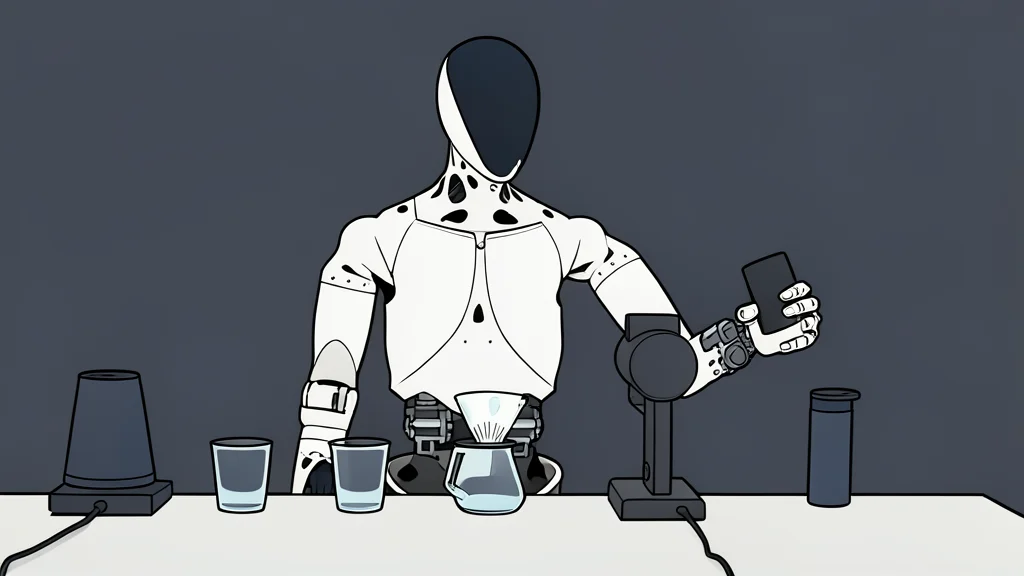
A human hand operates as a compact system of mechanics, sensing, and control. We adjust our grip instinctively, loosening fingers if an object slips or squeezing harder if it is heavy. Robots must replicate this through sensors and software. While modern robotic hands have multiple motors and degrees of freedom, they lack the innate sense of touch that guides human movement. A camera can tell a robot it is holding an egg, but it cannot tell the robot how close it is to crushing it. This gap in tactile feedback is a significant trade-off in current designs.
Sensing touch is the missing link
Recent research is focusing on tactile sensing to bridge this gap. A 2026 study in Science Robotics from Zhejiang University combined visual data with tactile information using reinforcement learning. The result was an 85% success rate across five complex tasks involving 25 different objects. This approach suggests that dexterity requires more than just powerful motors; it demands a sophisticated understanding of force and texture. Without this, robots remain clumsy in environments where precision is critical.
The real world is unpredictable
Factory robots have an advantage: their environments are controlled. They can be given fixed trajectories and known object dimensions. A home is the opposite. A shirt is crumpled differently every time, a glass may be partially filled, and a sponge changes shape when squeezed. Researchers at Ohio State University note that physical contact is difficult to model when objects are soft or irregular. This makes household tasks far more complex than industrial assembly lines.
The challenge is compounded by the need for whole-body coordination. A robot folding laundry must locate the fabric, choose a grasp point, and reposition its hands while maintaining balance. The hand cannot be considered in isolation from the arm, body, and environment. This interdependence means that progress in one area, like balance, does not automatically translate to dexterity in another, like object manipulation.
Athletic feats mask practical limits
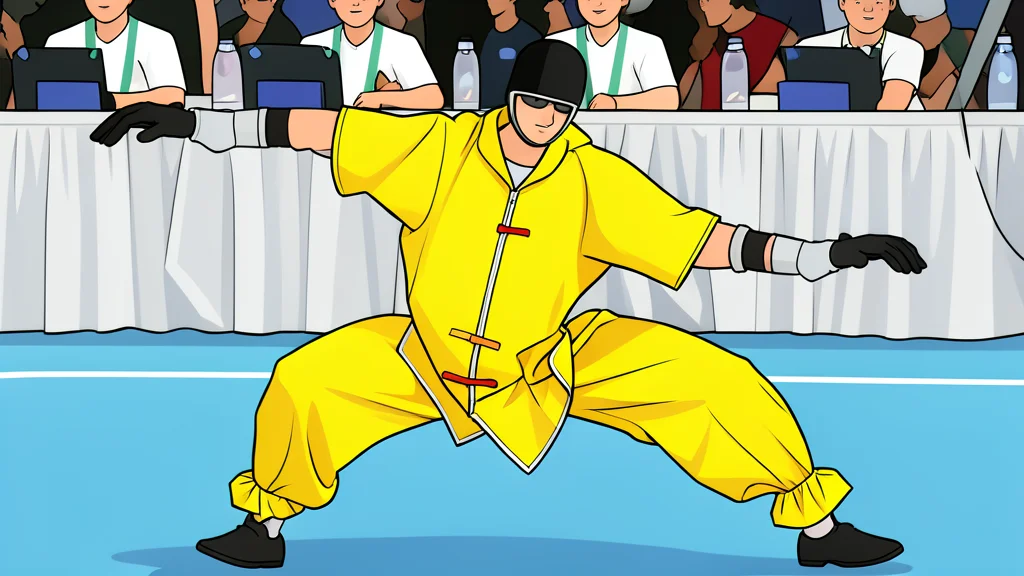
The current focus on athletic displays, such as the standing backflip performed by Unitree’s H1, highlights a disconnect between demonstration and utility. These movements are tightly defined and can be rehearsed. Laundry, however, is an open-ended problem. A robot must handle a hundred different shirts, each with unique wrinkles and textures. As noted by GN auto tech/robotics, this represents a significant hurdle. The ability to run and dance is impressive, but it does not equate to the capability to perform the mundane, variable tasks that define human domestic life.