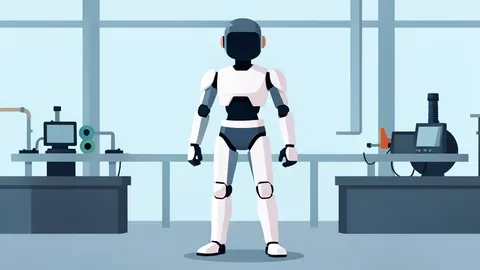
Wearable Robotic Limbs Add Extra Hands to the Human Body
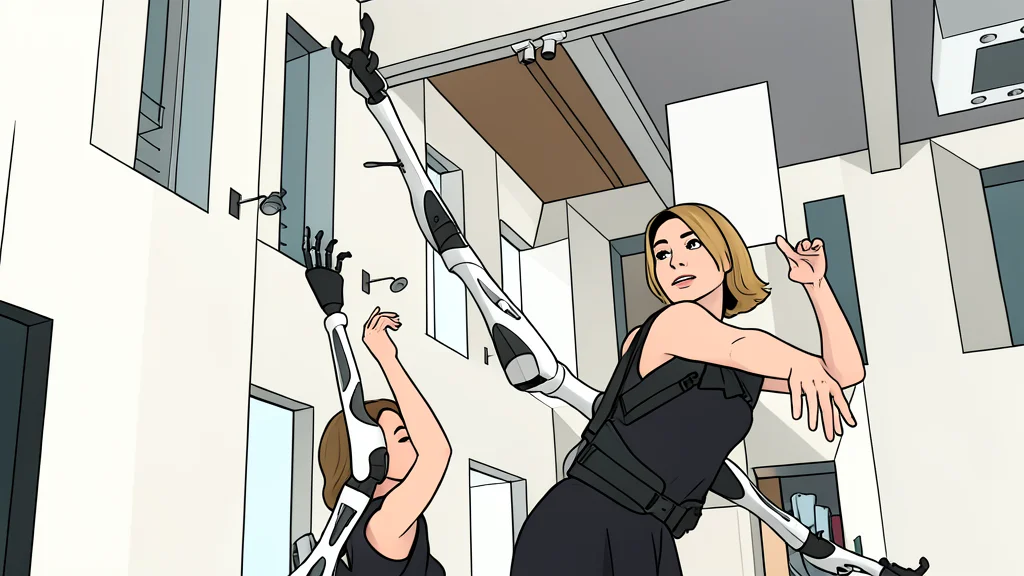
Researchers are building backpack-style robotic arms that let people use two extra hands simultaneously without replacing natural limbs.
Key points
- Supernumerary robotic limbs add extra hands to the body rather than replacing missing ones.
- Most current systems are controlled by foot movements using sensors in shoes or pedals.
- Brain-based control is being researched but has a low success rate and requires long training.
Researchers are developing wearable robotic limbs that add extra hands to the human body. These devices, known as supernumerary robotic limbs, are designed to boost physical capabilities rather than replace missing ones. The technology is currently in the experimental stage but aims to solve everyday problems like holding doors open while carrying groceries.
Unlike traditional prosthetics, these extra limbs do not restore lost function. Instead, they extend what the body can do. As reported by The Conversation, this field of human movement augmentation seeks to extend natural limits. Future applications could range from manufacturing to healthcare, giving workers and professionals additional tools for complex tasks.
Mechanical arms worn like backpacks
These artificial limbs look very different from human arms. They consist of rigid metal segments, motors, and actuators, which are mechanical devices that produce force. Users typically wear them like a backpack or a watch. The design allows the robotic limbs to work alongside natural arms without limiting their movement.
Controlling these devices requires a specific method. Designers usually avoid using the user's hands or arms for control, as that would defeat the purpose of adding extra capacity. Instead, most current systems use the feet. Pedals or shoes fitted with sensors translate foot movements into robotic limb actions. This keeps the user's hands free for the task at hand.
Brain control remains difficult
Scientists have explored controlling these limbs directly with the brain. The human nervous system has spare bandwidth, meaning unused electrical signal capacity. Researchers hope to harness this spare capacity to control the robots non-invasively. However, this approach has a low success rate so far.
The main catch is the complexity of the system. It requires a long calibration and training period for users. This makes it less practical than using foot-based controls. While the idea is promising, the current technology is not yet suitable for widespread use. Most users still rely on physical sensors attached to their feet.
Potential uses in industry and rescue
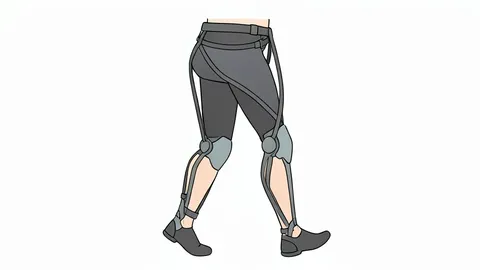
The technology has already been tested in labs for specific tasks. One example involves using a backpack with two robotic arms to hold a ceiling panel in place. This frees up the user's hands to screw it into place. Another concept involves a belt with extra legs to provide stability in awkward positions.
Industrial applications are also being explored. A surgeon might use four tools at the same time, increasing efficiency. Rescue operators could lift debris while simultaneously extracting a victim from an earthquake site. These scenarios highlight the potential for greater speed and capability in high-pressure environments.