XPeng Shares Fall as Robot Ambitions Meet EV Losses

The stock is down nearly half this year, but investors are watching its move into humanoid robotics and global electric vehicle sales.
Shares of Chinese electric vehicle maker XPeng have dropped by 49 percent so far this year, a steep decline that has drawn the attention of long-term investors. For those looking to allocate funds through a Stocks and Shares ISA, the drop presents a complex opportunity. While the company is losing money, it is actively expanding its footprint in two high-growth sectors: autonomous ride-hailing and humanoid robotics.
The company’s strategy mirrors the aggressive vision of its biggest rival, Tesla. Founder He Xiaopeng aims to build a future filled with robotaxis and lifelike robots. This dual focus allows XPeng to leverage its existing automotive infrastructure for new product lines, though it also means the firm is burning through cash while trying to prove that these futuristic concepts can generate real revenue.
Robots moving from labs to showrooms
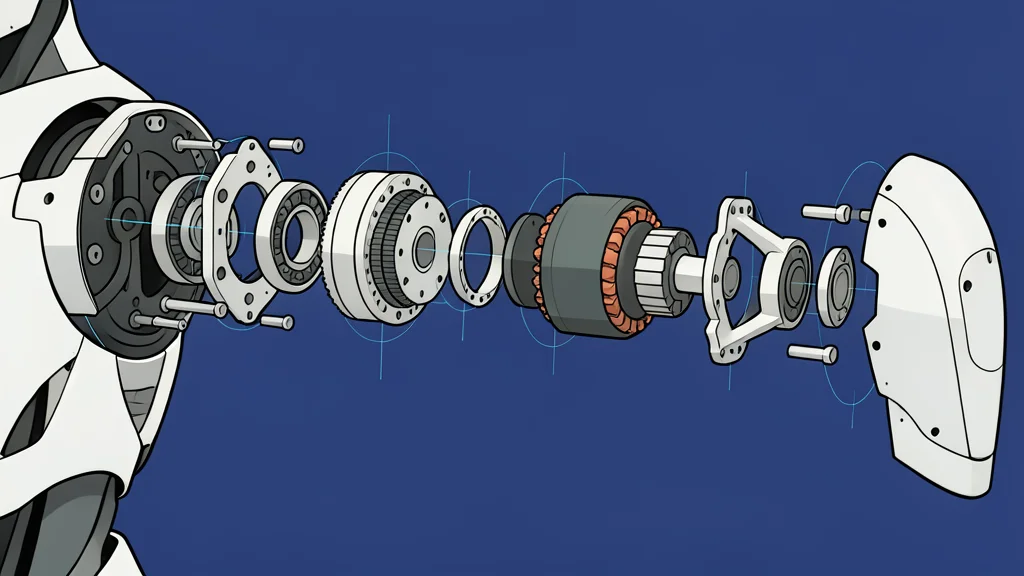
XPeng recently rolled out its next-generation humanoid robot, named IRON, from an automated production line. This is not just a prototype; the company has begun deploying these units in its electric vehicle showrooms. There, the robots serve as greeters and guides for customers, marking a shift from experimental technology to practical, albeit limited, commercial use.
The company describes IRON as a general-purpose platform designed to improve through real-world interaction. XPeng plans a full market launch in China and overseas markets by 2027. However, this timeline is ambitious. The robot must still prove its reliability and cost-effectiveness before it can compete in a broader service economy, a transition that carries significant technical and financial risks.
Electric vehicles remain the core business
Despite the hype around robotics, selling cars is still where XPeng generates its revenue. In the second quarter, the company delivered over 103,000 vehicles, with overseas sales jumping by 81 percent year-on-year. International markets now account for a quarter of its total revenue, which is crucial because profit margins are significantly better outside of China.
This geographic diversification is a key part of the investment case. While the domestic market is plagued by intense price wars that squeeze margins, XPeng’s foreign operations offer a path to profitability. Analysts expect the company to turn a profit by 2027 or 2028, provided it can continue to scale its international sales without diluting its margins further.
The high cost of innovation
The trade-off for these ambitious plans is a heavy financial burden. XPeng reported a net loss of roughly 199 million dollars in the second quarter, driven by high research and development spending. This lack of profitability makes the stock riskier than established, profitable automakers. Investors are essentially betting that the future value of its robots and autonomous fleet will outweigh the current cash burn.
According to GN auto tech/robotics, the company is positioned to shorten the cycle from research to commercial operations. Yet, success is not guaranteed. The company must navigate regulatory hurdles in multiple countries and maintain consumer trust in its autonomous systems. For investors, the 49 percent price drop reflects these uncertainties, offering a potential entry point for those with a high risk tolerance and a long-term horizon.