Apple's Next Product Should Be a Home Server
Apple's leadership hints at a local-first computing strategy that could finally solve the connectivity and privacy headaches plaguing modern smart homes.
John Ternus, Apple’s new CEO, opened his first keynote by describing an "intelligent personal hub" that processes data locally to protect user privacy. While he was referring to the iPhone, The Verge argues this philosophy points toward a missing piece in the company’s ecosystem: a dedicated computer for the home. This device would move beyond a simple remote control to become the central brain of a smart household.
Current smart home setups rely heavily on cloud services, which can be slow and raise privacy concerns. As AI features become more common, such as analyzing security camera footage, local processing offers a faster and more secure alternative. Apple has the infrastructure and user base to make this shift, but it requires a hardware solution that integrates networking, storage, and intelligence into a single unit.
Local processing improves privacy and speed
The reliance on cloud computing has served smart homes well for years, but it is no longer sufficient for modern AI applications. Features that generate text descriptions from video or run complex automations benefit significantly from on-device processing. This approach reduces latency and ensures that sensitive data, such as photos and home activity logs, stays within the user's physical space rather than traveling to remote servers.
Competitors are already moving in this direction. At recent tech shows, companies like Anker and Ugreen unveiled devices that combine network-attached storage with local AI capabilities. These products aim to process camera footage and manage smart home devices without constant internet dependency. However, they often lack the seamless integration and user-friendly interface that Apple is known for, leaving a gap in the market for a polished, mainstream solution.
Networking remains a major pain point
Despite years of industry talk about smarter routers, the underlying connectivity infrastructure has not kept pace with the complexity of modern smart homes. Internet service providers and router manufacturers are often reluctant to adopt new standards like Thread and Matter, leading to frequent connection failures. Users frequently find themselves troubleshooting network issues rather than enjoying their devices, with manufacturers and providers often passing the blame back and forth.
This fragmentation creates a frustrating experience for consumers. Connecting devices to a home network remains one of the most difficult aspects of setting up a smart home. Recent issues with major retailers rolling out new devices highlight how fragile these ecosystems are. A unified approach that handles networking, device management, and data storage in one place could alleviate much of this technical friction.
A unified Apple home server concept
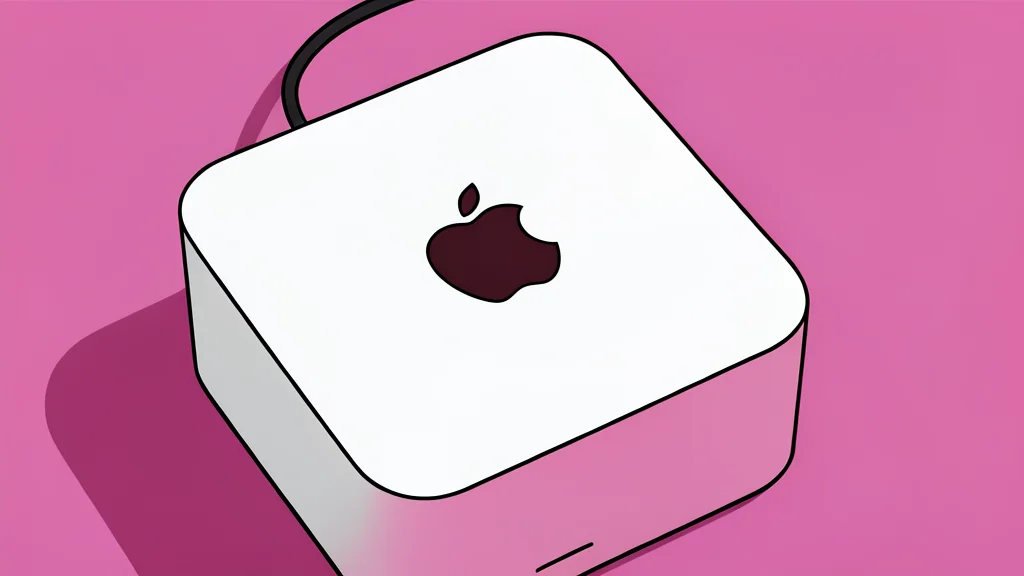
The proposed solution is an all-in-one device that combines a smart home hub, local storage with AI processing, and a home router. This "Apple Home Server" would connect directly to the modem, handling Wi-Fi, Matter, and Thread protocols while securely storing user files and media. It would run automations locally, meaning the home remains functional even if the internet goes down, and it could optionally back up data to iCloud.
Apple has prior experience with this type of integration. Previous products like the AirPort Express and Time Capsule combined networking with media streaming and storage. More recently, Apple contributed to OpenWrt, the open-source software powering many routers, suggesting a potential technical foundation for such a device. While there is no official confirmation that Apple is building this specific product, the company’s emphasis on privacy and ease of use makes it a logical next step.