Why USB Wall Outlets Are a Bad Idea for Your Home
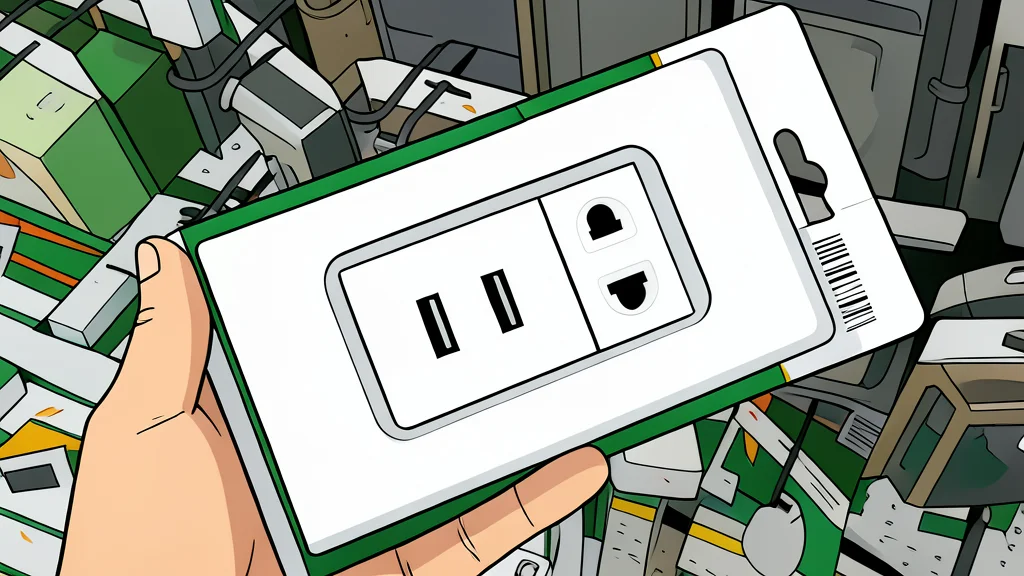
Replacing standard sockets with built-in USB ports sounds like a smart upgrade, but the reality involves significant power limitations and durability risks that make the trade-off difficult to justify.
The idea of having USB charging ports built directly into your walls is appealing. It promises a cleaner aesthetic and eliminates the clutter of power bricks scattered around the house. However, as highlighted in a recent analysis by XDA Developers, this convenience often comes at a steep cost in terms of performance and longevity. For most modern devices, these integrated ports are simply not up to the task.
The primary issue is that USB wall outlets are frequently underpowered compared to the dedicated chargers that come with smartphones and tablets. While a standard wall socket can handle any load, a built-in USB port is typically capped at a low wattage, forcing users to choose between speed and convenience.
Charging Speed Falls Short Of Needs
Most contemporary smartphones and tablets require at least 20 watts for efficient charging, with many flagship models supporting significantly higher rates for fast charging. In contrast, USB wall outlets commonly offer only 12 to 15 watts. This disparity means that a device which might charge to 80 percent in minutes with a dedicated brick could take nearly three hours using the wall port. For users who rely on quick top-ups, this reduction in speed is a major functional downgrade.
Furthermore, installing these outlets requires sacrificing a standard multipurpose socket. You are essentially converting a flexible power source into a fixed, low-capability adapter. The limited space inside a standard wall box prevents the inclusion of the advanced components needed for high-wattage output, making it physically impossible to match the performance of modern aftermarket chargers.
Durability And Flexibility Are Compromised
Beyond speed, there is a significant risk regarding hardware failure. Unlike a power brick that can be unplug and moved, a USB wall outlet is permanently fixed. This makes it vulnerable to accidental tugs on the cable, which can strain the internal connections or break the port entirely. Replacing a broken wall outlet requires electrical work, whereas replacing a cheap power brick is as simple as buying a new one.
The lack of flexibility is another hidden cost. A standard outlet can power anything from a hairdryer to a lamp, while a USB outlet is limited to low-power devices. If you need to use that socket for a different appliance, you must unplug the USB device, disrupting its power supply. This rigidity often outweighs the minor aesthetic benefit of having fewer cables on the surface.
Dedicated Chargers Remain Superior
Modern power adapters from brands like Anker or UGreen offer a far better solution. These dedicated bricks can deliver high wattage, support multiple devices simultaneously, and are portable enough to be used anywhere. They can be swapped out if they break, moved to different rooms, or taken on trips. The combination of high power, durability, and flexibility makes them a more practical choice for the average home user.
While USB wall outlets might be suitable for very specific, low-power applications like a permanent desk lamp, they are not a general-purpose replacement for standard sockets. For the vast majority of devices and use cases, the trade-off in power, durability, and flexibility is not worth making.