Crew-12 Astronauts Prepare for Delayed Return to Earth
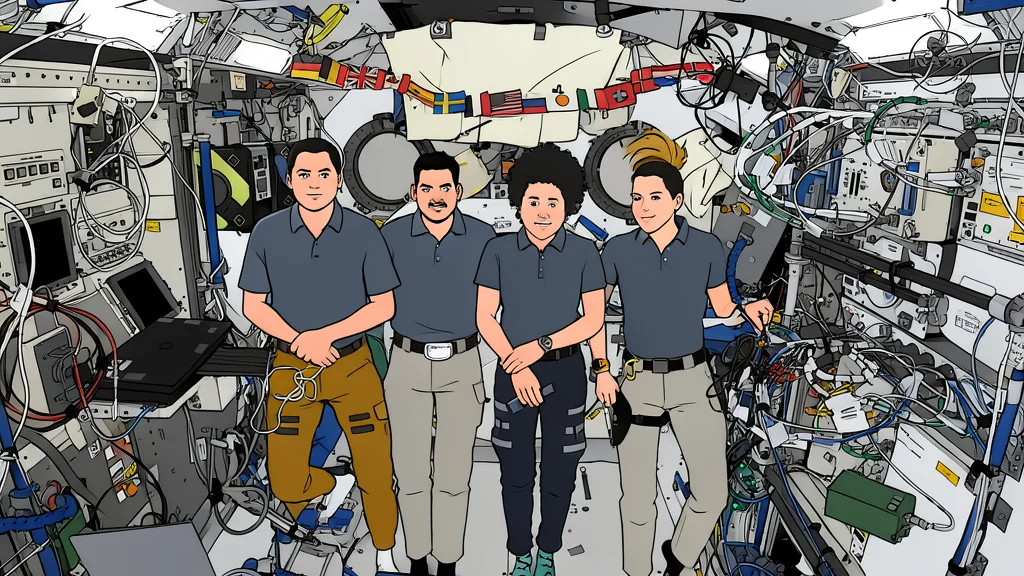
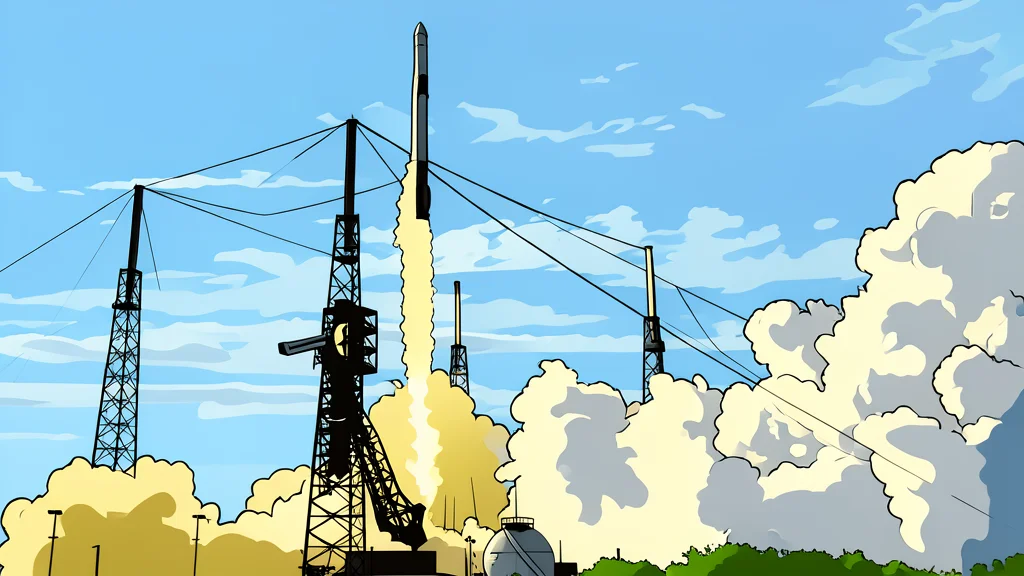
The four astronauts of SpaceX’s Crew-12 mission are preparing to leave the International Space Station, though their departure date remains uncertain due to delays with their replacement crew.
The four astronauts of SpaceX’s Crew-12 mission are preparing to leave the International Space Station, though their departure date remains uncertain due to delays with their replacement crew. The team has been living and working in orbit since February, completing maintenance tasks and conducting research. Their return to Earth is now expected to happen in early October, following a series of postponements for the incoming Crew-13 mission.
The uncertainty stems from technical hurdles faced by the next group of travelers. NASA and SpaceX originally targeted a September 12 launch for Crew-13, but preflight tests and data analysis required more time. Consequently, the space agency has set a new target of no sooner than early October. Until the new crew arrives safely, the current astronauts will continue their standard daily routines, creating an overlap period that extends their stay in space.
Reflections on six months in orbit
During a recent media call, the crew shared memories from their time aboard the station. Jessica Meir, a NASA astronaut, described a recent spacewalk as a defining moment, noting that she was able to ride the Canadarm robotic arm while being driven by her colleagues. This experience felt like a full circle, especially since she had helped repair that same arm earlier in the mission. For Andrey Fedyaev, a Roscosmos cosmonaut, the highlight was controlling the European Robotic Arm to transport two cosmonauts between station modules simultaneously, a first for that piece of equipment.
Sophie Adenot, an astronaut from the European Space Agency, highlighted her second spacewalk as a point of pride. She and her teammate spent significant effort removing a failed antenna from the station’s truss structure. The task was complicated by stuck bolts and electrical connectors, requiring careful and persistent work to resolve. These detailed accounts illustrate the technical challenges and collaborative spirit that define life on the station.
Anticipating the comforts of gravity
While the crew is eager to return home, the transition will be bittersweet. They will miss the constant weightlessness and the unique views from orbit. However, the prospect of experiencing nature again is a strong motivator. The astronauts expressed a deep desire to see trees, feel the wind, and reconnect with the physical world that feels distant after six months in a confined, zero-gravity environment.
This sentiment was echoed in a statement reported by GN auto tech/science: space discovery, which highlighted the crew's longing for the sensory richness of Earth. The trade-off of their mission is clear: they gain invaluable data and experience in space, but they must surrender the everyday comforts of life on the ground. As they prepare for re-entry, the focus shifts from orbital maintenance to the physical and emotional adjustment required to live under gravity once more.