Raspberry Pi Zero Revival as Home Network Gateway
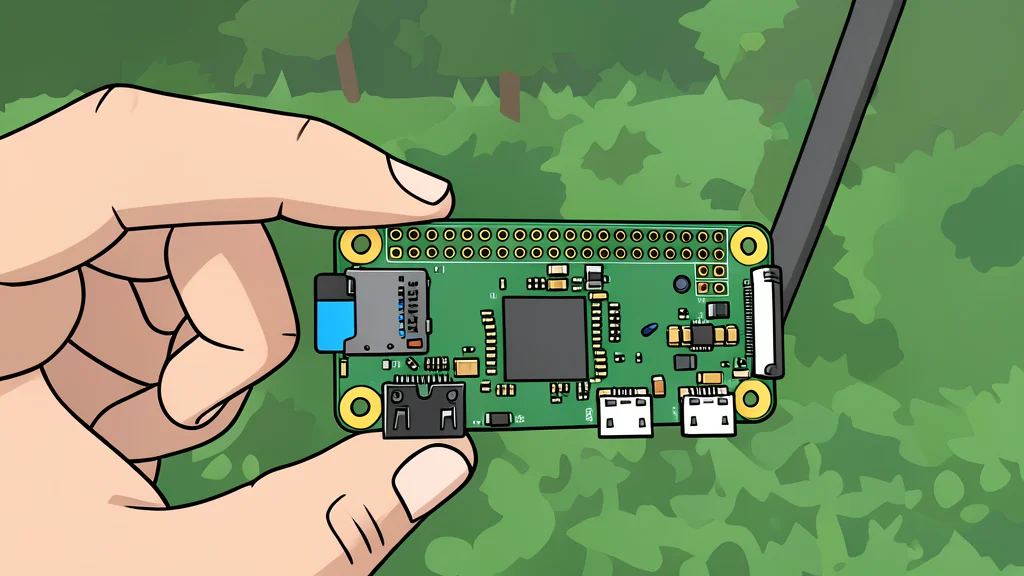
A discontinued single-board computer is finding a second life as a critical networking tool for home users dealing with restrictive internet connections.
While current single-board computers have become prohibitively expensive, the older Raspberry Pi Zero remains an affordable option for specific tasks. Although it lacks the power for modern containerized workloads, it is sufficient for running lightweight network services directly on the operating system.
According to reporting by XDA Developers, this modest hardware can effectively function as a subnet router for Tailscale. This setup allows users to bypass complex port forwarding requirements and access their entire local network remotely without installing software on every individual device.
Carrier Grade NAT Blocks Standard VPN Access
Many residential internet providers use Carrier Grade NAT, a technique that maps multiple users to a single public IP address. This configuration prevents users from opening specific ports on their routers, which is a standard requirement for self-hosted VPNs like WireGuard.
To work around this limitation, users typically need to rent a cloud server with a static IP address or purchase a commercial VPN service. Both options introduce recurring subscription costs, which contradicts the cost-saving goals of many self-hosting enthusiasts who build home labs to avoid paying for external services.
Mesh Networks Bypass NAT Restrictions
Tailscale addresses this issue by creating a private mesh network using encrypted connections. It utilizes UDP hole punching to establish direct links between devices, effectively bypassing the NAT barriers imposed by internet service providers. The service offers a free tier for personal use, eliminating the need for credit card details or monthly fees.
While Tailscale simplifies remote access, installing the client on every server, virtual machine, and container in a complex home lab can be tedious. This is especially true for users who frequently reset their systems for new experiments, requiring constant re-authorization of devices.
Subnet Routing Exposes Entire Local Network
A subnet router acts as a single gateway that advertises routes for the entire local network to the Tailscale mesh. By installing the software on just one device, such as the Raspberry Pi Zero, all other machines on the local network become accessible remotely.
This approach spares users the effort of managing individual client installations on printers, storage nodes, and other peripherals. The Raspberry Pi Zero, running a lightweight operating system like DietPi, provides enough processing power to handle this routing task efficiently, turning an otherwise obsolete piece of hardware into a vital component of the network stack.