Choosing Your Computer's Brain: A Guide to the Big Four
The operating system you choose dictates what your computer can do, how it feels to use, and what it costs. While the market offers many niche options, four systems dominate the desktop landscape, each with specific strengths and significant trade-offs.
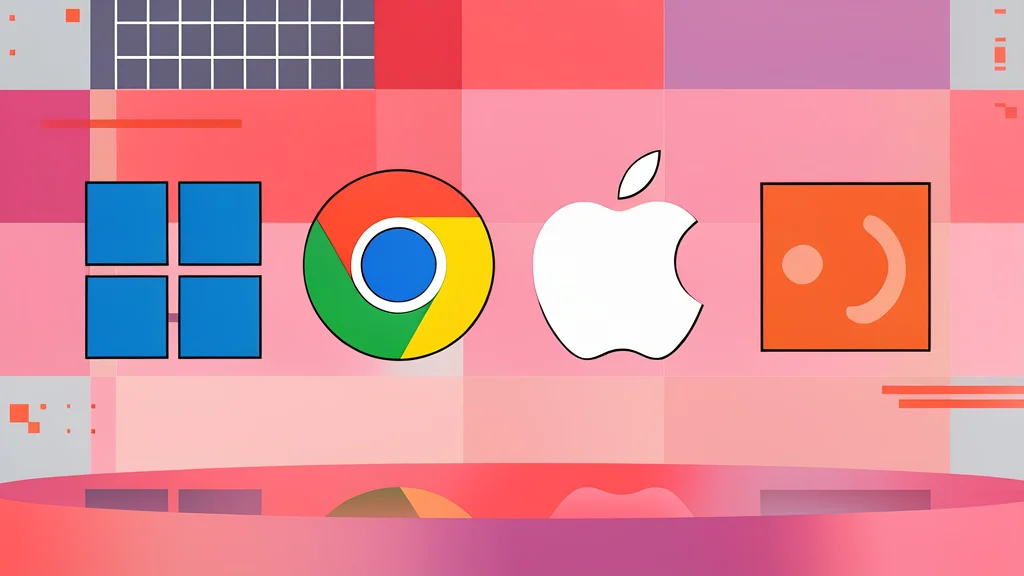
Selecting an operating system is not just a preference; it is a functional decision that limits or expands your digital life. According to recent analysis from GN auto tech/hardware: computing hardware, the choice largely comes down to four major players: Windows 11, macOS, ChromeOS, and Ubuntu. Each system balances performance, software availability, and user experience differently, meaning the 'best' option is strictly dependent on your specific workflow and hardware budget.
For the majority of users, the debate centers on Windows and macOS, as these two platforms support the widest range of commercial software and hardware peripherals. ChromeOS appeals to those who prioritize simplicity and low cost, running efficiently on modest hardware, while Ubuntu represents the open-source ethos, offering high customizability at the cost of a steeper learning curve. The following breakdown translates these technical distinctions into practical stakes for everyday users.
Windows Balances Compatibility with New AI
Windows 11 remains the default for gaming and broad software compatibility, offering access to nearly every piece of consumer hardware and video game available. It has introduced modern conveniences like tabbed file management and improved security features. However, the system now requires specific hardware, including a security chip known as TPM, which may exclude older machines. While Microsoft has integrated generative AI tools, many users find these features less practical than their competitors, and the initial hype around specialized AI hardware has cooled without delivering the promised transformative capabilities.
MacOS Offers Polished Integration for Creatives
Apple’s macOS is widely regarded for its polish, reliability, and seamless integration across devices. The latest update, Golden Gate, introduces a more powerful AI assistant and refines the visual interface to reduce distraction. The platform excels for creative professionals, offering high-performance Apple silicon chips that rival top-tier processors from AMD and Intel while consuming less power. The trade-off is a closed ecosystem; while the interface is highly consistent and user-friendly, it offers less flexibility in window management compared to Windows, and the hardware prices start higher than budget alternatives.
Lightweight and Open Options Serve Niches
For users who do not need heavy desktop applications, ChromeOS provides a streamlined experience that runs well on inexpensive hardware. It is ideal for web-based workflows but lacks the local processing power and software depth of traditional desktop operating systems. On the other end of the spectrum, Ubuntu and other Linux distributions prioritize user control and open-source principles. This allows for deep customization and lower hardware requirements, but it demands technical comfort, as user support and software compatibility are narrower than in the commercial giants.