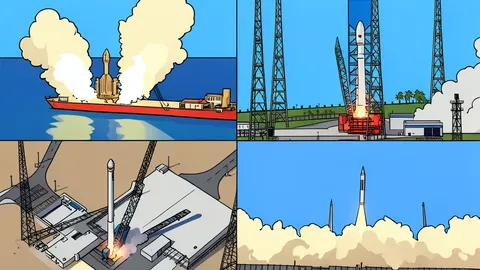
Canada, France to Share Space Launch and Satellite Data Infrastructure
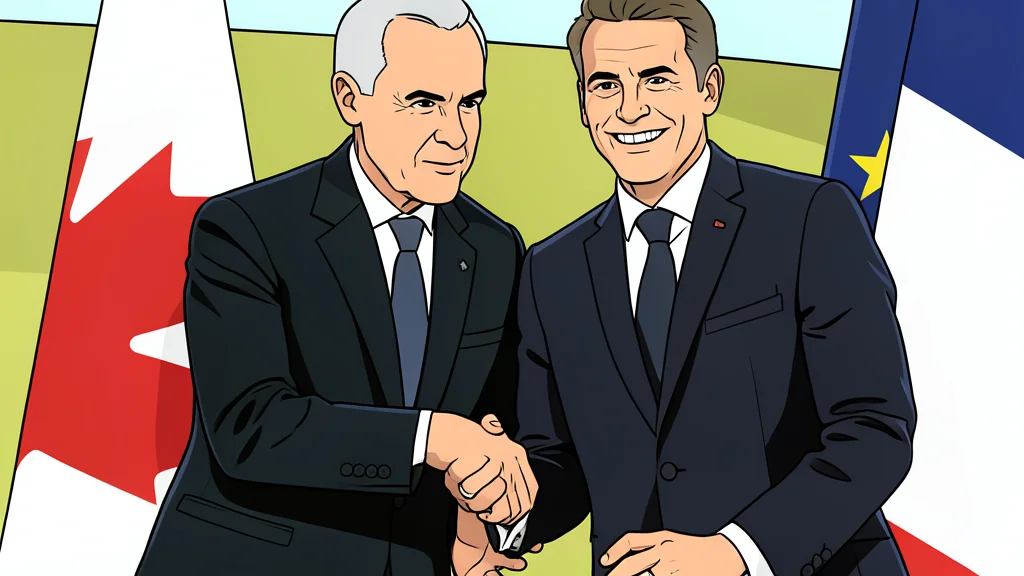
Ottawa and Paris will coordinate on space systems and data reception as part of a broader strategic shift toward European allies.
Key points
- Canada and France will share space-launch systems and satellite data reception facilities to strengthen their technical cooperation.
- The agreement was announced during a historic official visit by a Canadian prime minister to the French archipelago of Saint-Pierre and Miquelon.
- The move is part of a broader Canadian strategy to deepen ties with European allies and reduce reliance on the United States.
Canada and France have agreed to begin sharing space-launch systems and satellite data reception facilities, Prime Minister Mark Carney announced following a meeting with President Emmanuel Macron. The decision marks a significant expansion of bilateral technical cooperation in a sector that is increasingly viewed as a pillar of national sovereignty.
The announcement was made on Sunday on Saint-Pierre and Miquelon, a small French archipelago located just 25 kilometres off the coast of Newfoundland. The choice of venue was deliberate, signaling a deepening of ties with European allies at a time when Ottawa is seeking to reduce its dependence on an increasingly unpredictable relationship with Washington.
Shared infrastructure for satellite data
According to The Globe and Mail, the two nations have tasked their respective space agencies and defense ministries to develop and share common infrastructure. This includes the hardware used for launching satellites and the ground-based facilities required to receive data from them. While the specific technical details are not yet public, this collaboration aims to create a more resilient network for space-based communications and intelligence gathering.
The move is part of a broader strategy to ensure secure access to critical technologies, including artificial intelligence, semiconductors, and clean energy systems. By pooling resources, both countries hope to mitigate the risks associated with relying on a single supplier or geopolitical bloc for these essential capabilities.
A strategic pivot toward Europe
This space initiative is one component of a wider diplomatic shift. France is now Canada’s third-largest export market within the European Union, and the two leaders emphasized their shared cultural and linguistic values. Carney noted that the partnership is central to Canada’s broader relationship with Europe, a relationship that has been reinforced by recent offers of associate membership in the EU.
Symbolic visit to remote islands
The meeting on Saint-Pierre and Miquelon carries heavy symbolic weight. It was the first official visit by a Canadian prime minister to the territory, a place that has long served as a remnant of the French empire in North America. The leaders laid wreaths at a monument to those who defended the islands in 1941, drawing a parallel between historical sovereignty struggles and modern challenges to democratic norms.
While the visit highlights solidarity, it also underscores the trade-offs involved in diversifying international partnerships. Deepening ties with France and the EU requires significant diplomatic and economic investment, yet it offers a buffer against the volatility currently emanating from the United States. For both nations, the goal is to build a more secure and independent foundation for their future in space and beyond.