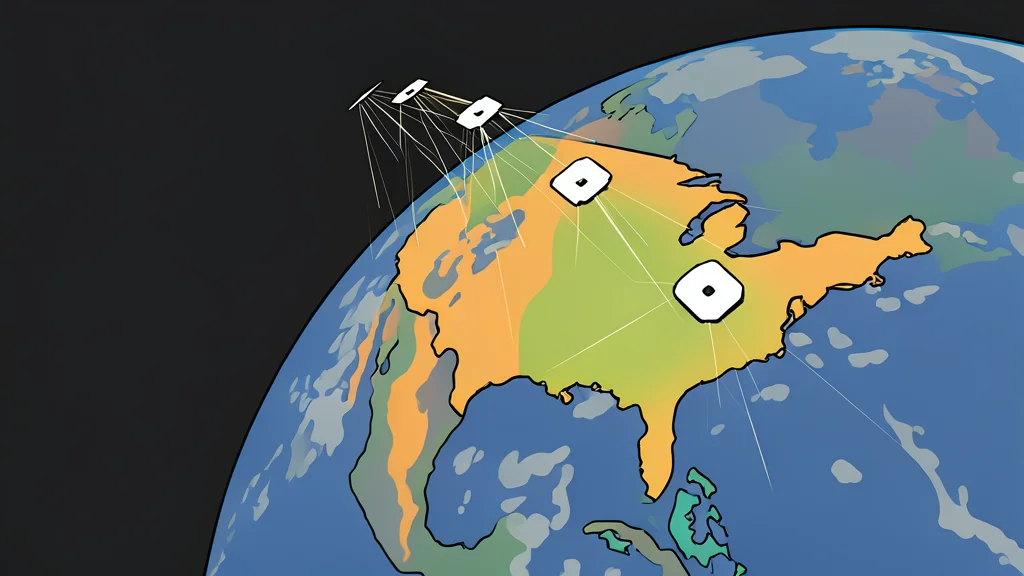
China Deploys Four Radar Satellites for Real-Time Data Processing
A new batch of radar satellites has entered orbit, capable of processing data in space to reduce the burden on ground links.
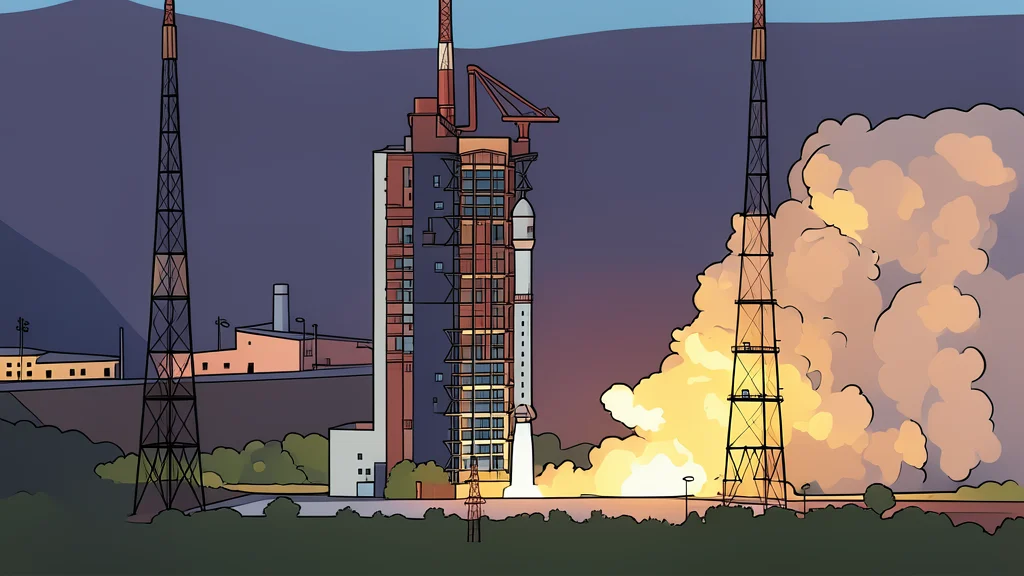
China successfully launched four advanced radar satellites into space on Saturday evening using a Long March 2D rocket. The mission, which lifted off from the Taiyuan Satellite Launch Center in Shanxi province, marked another significant addition to the country’s growing constellation of space-based sensing assets.
The satellites were built by GalaxySpace, a Beijing-based private company, and are designed to operate with high-resolution synthetic aperture radar systems. According to reports from GN auto tech/space: space launch, these spacecraft are equipped with intelligent processing payloads that allow them to handle data tasks directly in orbit rather than sending raw information back to Earth immediately.
Onboard processing reduces data transfer needs
The primary advantage of these new satellites lies in their ability to perform real-time data screening and preprocessing in space. By extracting useful information before transmission, the satellites significantly reduce the volume of data that must be sent back to ground stations. This approach alleviates pressure on satellite-to-ground communication links, a common bottleneck in traditional remote sensing operations where large datasets can slow down response times.
However, this shift in architecture comes with a trade-off. Processing data in orbit requires robust onboard computing power and sophisticated algorithms to make accurate decisions without human intervention. While this improves efficiency for routine tasks, it places a higher demand on the satellite’s electronic components and power systems, which must operate reliably in the harsh environment of space for extended periods.
GalaxySpace expands its satellite fleet
With this latest deployment, GalaxySpace has now placed 53 independently developed satellites into orbit. The company has accumulated experience with more than ten synthetic aperture radar satellites, allowing it to refine its design and operational protocols. Duan Xiao, the chief designer of the company’s radar satellites, noted that multiple units have already demonstrated the capability for large-scale in-orbit data processing, validating the technology’s practical application.
Long March 2D remains a workhorse
The launch vehicle used for this mission, the Long March 2D, is a well-established rocket built by the Shanghai Academy of Spaceflight Technology. Powered by liquid propellants, it generates a liftoff thrust of 300 metric tons and is capable of delivering a 1.2-ton payload to a sun-synchronous orbit at an altitude of 700 kilometers. Its reliability has made it a frequent choice for deploying small to medium-sized satellites into these specific orbits.
This launch brings China’s total number of space launches this year to 69. As the nation continues to expand its commercial and scientific space capabilities, the integration of intelligent processing capabilities into satellite constellations represents a strategic shift toward faster, more efficient remote sensing solutions. The ability to respond quickly to data requests is increasingly critical for both commercial applications and broader national infrastructure needs.