China Sets New Sea Launch Record with Heavy Payload Mission
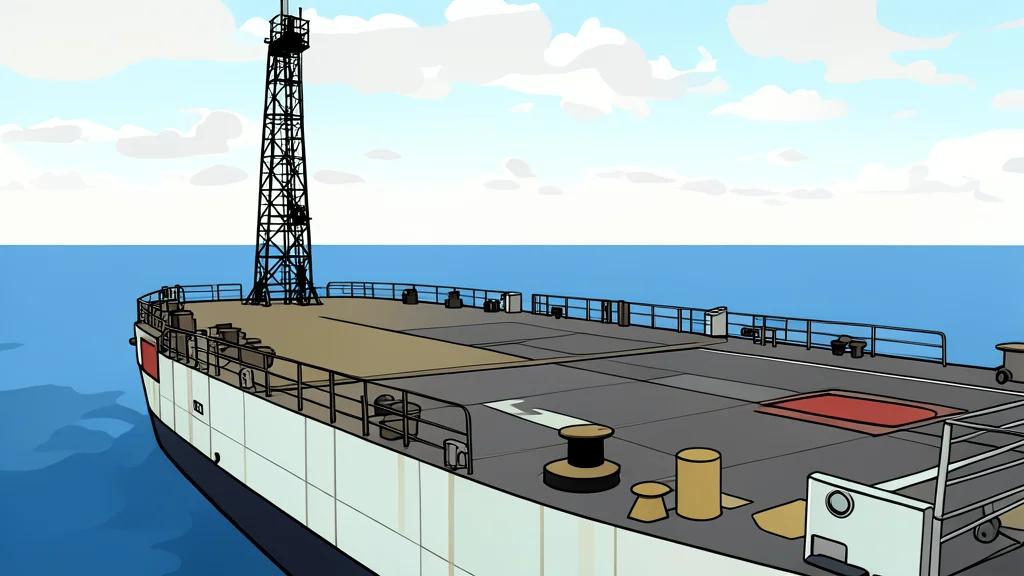
OrienSpace launched nine satellites from the East China Sea, breaking Chinese records for payload weight and orbital altitude in a single sea-based mission.
OrienSpace has successfully executed a critical sea launch that pushes the boundaries of Chinese commercial space capabilities. At 6:00 a.m. on September 16, the Gravity-1 Y3 rocket lifted off from waters east of Shanghai, carrying nine satellites into an orbit 800 kilometers above Earth. This mission marked a significant milestone by achieving the heaviest single sea-launch payload in China’s history, exceeding three metric tons in net weight.
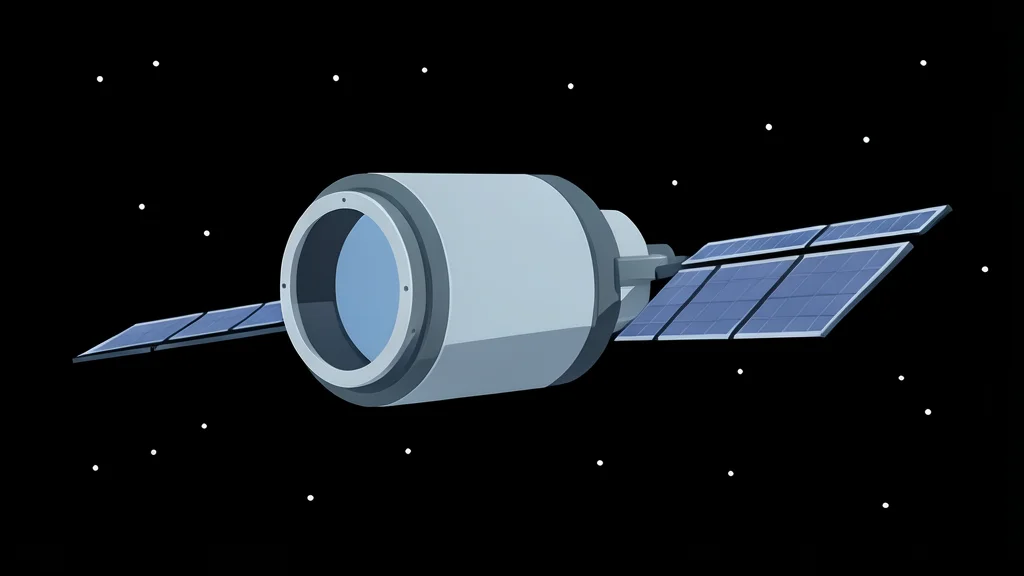
The launch also set a record for the highest orbital altitude achieved in a single sea-based mission from the country. The payload consisted of eight Qianfan Constellation networking satellites and one technology test satellite designed for ultra-high throughput. By pushing the rocket to its full capacity, the mission left only a small margin for trajectory adjustments, demonstrating a high level of engineering precision in managing such a heavy load.
Stacked design improves space efficiency
A key innovation in this mission was the arrangement of the satellites within the rocket. Instead of the traditional method of mounting satellites on a cylindrical frame, which wastes space, OrienSpace used a vertical stacking approach. Chief Designer Xu Guoguang described this as a "human pyramid" configuration, which allows for much better utilization of the payload fairing's internal volume.
This design choice directly impacts the economics of space launch. By maximizing the amount of payload a single rocket can carry, the average cost per satellite decreases. This efficiency is crucial for building large-scale satellite constellations, where launching hundreds or thousands of units requires frequent and cost-effective access to orbit. The trade-off, however, is a more complex separation process, as the rocket must carefully release multiple satellites in a specific sequence to avoid collisions.
Mobile launches offer strategic flexibility
Launching from a ship on the open ocean provides a distinct advantage over fixed land-based pads: the ability to change location. CEO Bu Xiangwei explained that the optimal launch point depends on the specific orbital requirements of the satellites. For different constellations, the ideal position of the rocket at ignition can vary significantly to ensure the satellites reach their target paths with minimal fuel usage.
However, this mobility comes with complex logistical challenges. The company must coordinate sea state, weather windows, and maritime safety zones. While this mission set a record for the shortest distance between satellite manufacturing in Shanghai and the launch site, the flexibility of sea launches allows OrienSpace to serve a wider variety of orbital needs. This positions the company to offer high-frequency launch services for global broadband networks.
Record-breaking payload capacity achieved
The success of the Gravity-1 Y3 mission highlights the growing competitiveness of China's commercial space sector. By combining a new stacking technology with the strategic flexibility of sea-based launches, OrienSpace has demonstrated its ability to handle heavy, large-scale constellation deployments. This mission not only added 256 more satellites to the Qianfan network but also established a new benchmark for what Chinese rockets can achieve in a single sea launch.
As reported by GN auto tech/space: satellite deployment, the industry is moving toward more efficient and cost-effective methods of reaching orbit. The ability to launch heavier payloads from mobile platforms reduces reliance on limited land-based infrastructure. This shift is critical for the future of satellite internet, where the scale of deployment requires both high frequency and high capacity from launch providers.