Europe Launches Two Satellites While China Prepares Busy Week
Italy's Avio company prepares to launch two European Space Agency satellites from French Guiana, a move that stands out against a backdrop of significant Chinese commercial space activity.
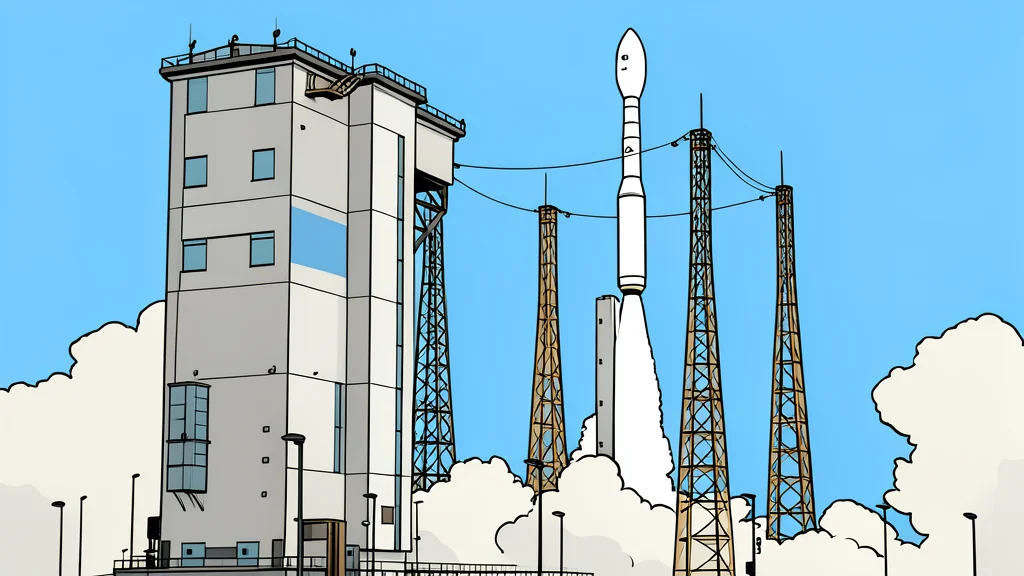
Avio, an Italian aerospace firm, is scheduled to launch the Vega C rocket from the Guiana Space Centre in French Guiana. The mission carries two distinct satellites for the European Space Agency, marking a key moment for Europe's independent access to space. This launch occurs during a period of intense activity in the global launch sector, particularly from Chinese commercial providers.
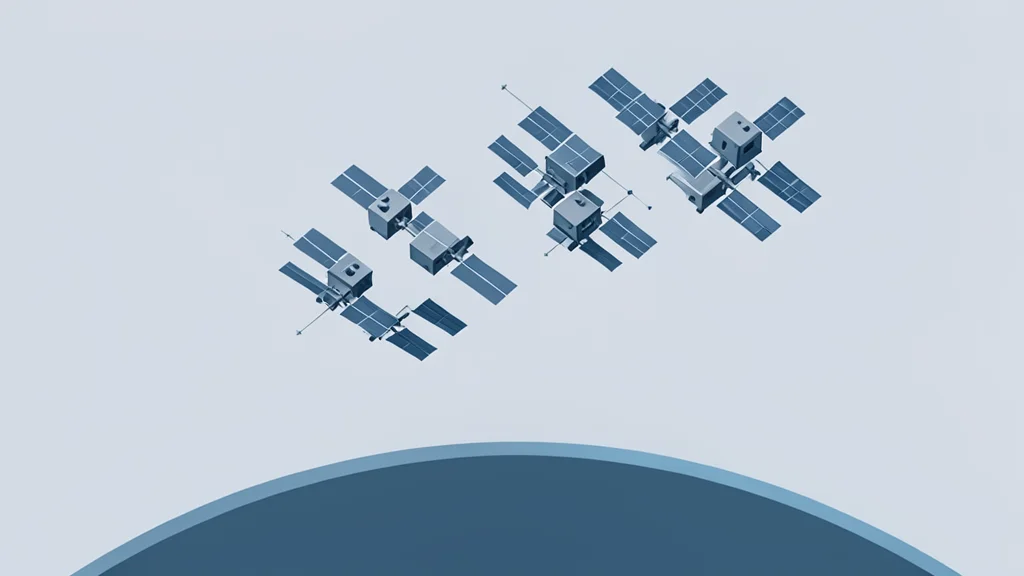
The primary payload includes Sentinel-3C, the third in a series designed to monitor Europe's oceans and atmosphere. Accompanying it is FLEX, a satellite tasked with mapping plant fluorescence to assess vegetation health worldwide. These instruments provide critical data for climate monitoring and agricultural management, highlighting the practical utility of low Earth orbit assets.
Satellites Target Climate and Agriculture Data
Sentinel-3C continues the Copernicus program's mandate to track environmental changes across the continent. It will observe sea surface temperatures, ice cover, and atmospheric conditions, offering consistent data for long-term climate modeling. The mission reinforces Europe's capability to generate sovereign data for environmental policy.
The FLEX satellite offers a different perspective by measuring the light reflected by plants. This fluorescence signal indicates the efficiency of photosynthesis, a metric invisible to the human eye but vital for understanding ecosystem health. Together, these two spacecraft expand the range of observational tools available to scientists and policymakers in Europe.
Chinese Providers Face Increased Launch Demand
While Europe focuses on specific scientific goals, Chinese launch companies are experiencing a surge in activity. According to GN auto tech/space: space launch, multiple private and state-owned firms have scheduled launches within the same week. This includes missions from Landspace, Orienspace, and ExPace, each carrying undisclosed payloads to various orbits.
This density of launches reflects growing commercial demand for access to orbit from China. These firms are competing to offer reliable and frequent launch services, often using solid-fuel rockets that allow for quicker turnaround times. The increased frequency highlights a shift toward a more commercialized and competitive launch market in Asia.
Global Launch Schedule Remains Dense
The global launch calendar remains packed with diverse missions. Beyond the European and Chinese activities, SpaceX is scheduled to launch a U.S. Space Force mission from California. Additionally, Roscosmos is preparing to send supplies to the International Space Station via a Soyuz rocket from Kazakhstan.
This concurrency of launches underscores the continued reliance on orbital infrastructure for both national security and scientific research. Each mission serves a specific purpose, from military reconnaissance to crew support and broadband communication. The steady flow of rockets illustrates the ongoing expansion of humanity's presence in space.