Fifty Years Since the Space Shuttle Enterprise Rollout
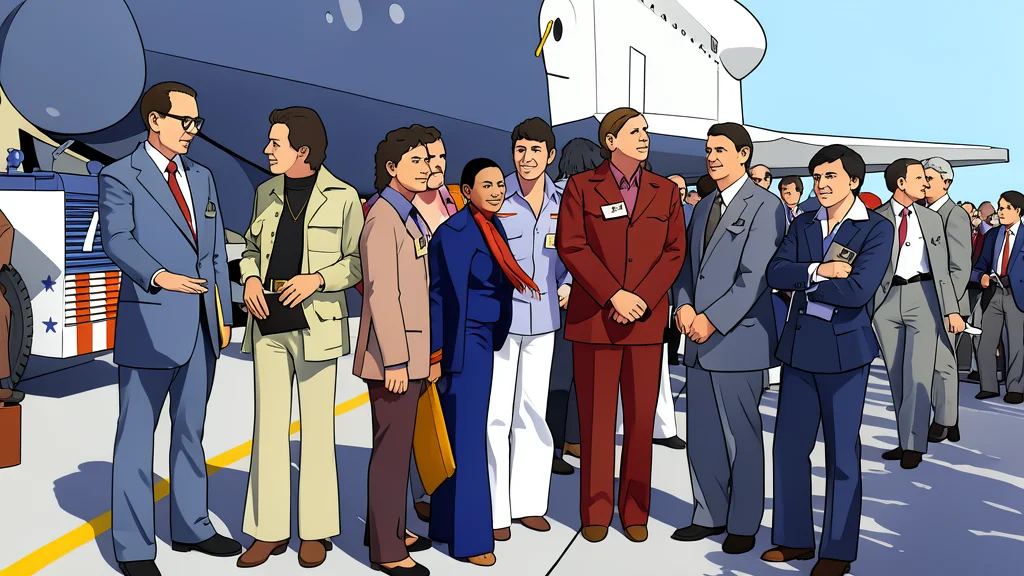
On September 17, 1976, NASA revealed its first reusable orbital vehicle in a ceremony that blended aerospace engineering with pop culture history.
Fifty years ago this week, NASA officially rolled out the Space Shuttle Enterprise from a manufacturing facility in Palmdale, California. The event marked the debut of the first vehicle in a program designed to make spaceflight more routine and reusable. It was a significant moment for the agency, transitioning from single-use rockets to a system capable of carrying crews and heavy payloads to orbit repeatedly.
The ceremony featured a unique crossover with entertainment history, as stars from the television series Star Trek attended the unveiling. The choice of name for the shuttle, Enterprise, was not a coincidence but a deliberate nod to the fictional starship from the show. This connection highlighted the cultural footprint of space exploration in the 1970s, linking the technical achievements of the space program with its representation in popular media.
A ceremony blending science and pop culture
According to reporting by GN auto tech/science: space discovery, the rollout was a major public event attended by roughly 600 guests. The atmosphere was celebratory, with the Air Force Band of the Golden West performing music associated with the Star Trek franchise. Key figures from the show, including series creator Gene Roddenberry and principal cast members like Leonard Nimoy and Nichelle Nichols, posed for photographs in front of the spacecraft alongside NASA Administrator James D. Fletcher.
This public display served a dual purpose. It showcased the physical reality of the shuttle vehicle, which had been under development for several years, while also leveraging the fame of the TV show to generate public interest. For many attendees, seeing the actors alongside the actual hardware created a tangible link between the science fiction narratives they enjoyed and the engineering realities of space travel.
The shuttle program's long operational history
The rollout of Enterprise was the precursor to the operational phase of the shuttle program, which began in 1981 and continued until 2011. Over three decades, the shuttles flew 135 missions, carrying out critical tasks such as the assembly of the International Space Station and the deployment of the Hubble Space Telescope. These achievements demonstrated the vehicle's capability to handle complex orbital operations that were previously impossible.
However, the program also carried significant risks. The tragedies involving the Challenger and Columbia shuttles underscored the inherent dangers of spaceflight, even with a vehicle designed for reusability. These incidents prompted extensive reviews of safety protocols and highlighted the trade-offs between cost-effectiveness and engineering complexity in aerospace design.
Lessons from the first shuttle era
Looking back at the 1976 rollout, the legacy of the Enterprise is defined by both its successes and its challenges. The vehicle proved that a reusable spacecraft could operate in orbit, but the high costs and maintenance requirements eventually led to the program's retirement. The era established a framework for crewed spaceflight that continues to influence current commercial and government space initiatives.
The involvement of Star Trek actors in the ceremony remains a memorable footnote in aerospace history. It illustrates how cultural narratives can shape public perception of scientific endeavors. Today, as new vehicles are developed, the spirit of that 1976 rollout persists, reminding observers that space exploration is as much about public imagination as it is about technical precision.