NASA Selects SpaceX to Launch StarBurst Gamma-Ray Detector
NASA has awarded SpaceX a contract to launch the StarBurst satellite, a mission designed to detect violent cosmic events involving neutron stars. The launch is scheduled for 2028 under a new, streamlined acquisition process.
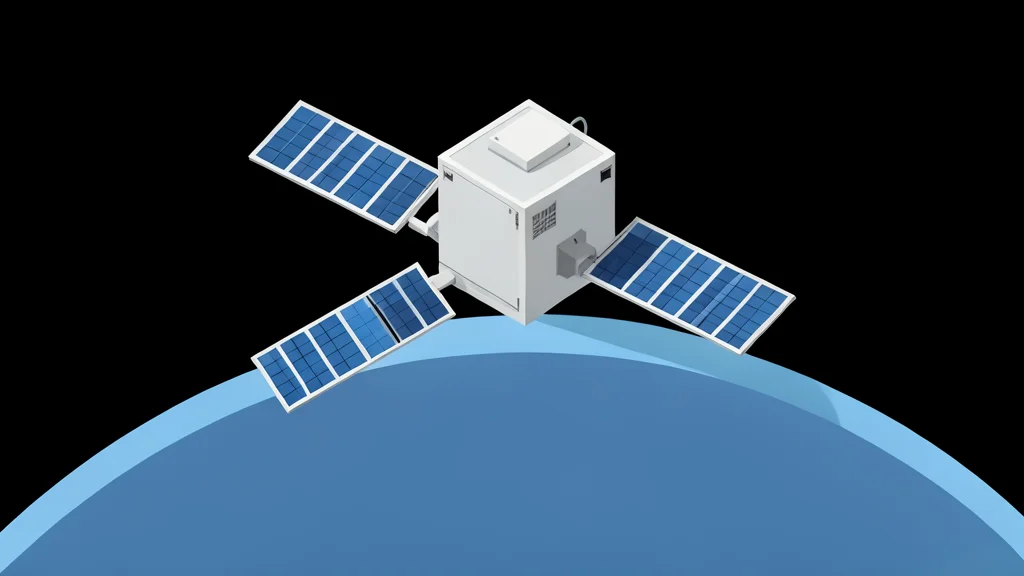
NASA has chosen SpaceX to provide the launch services for the StarBurst mission, a small satellite tasked with investigating the origins of short gamma-ray bursts. These intense flashes of radiation occur when two dense stellar remnants, known as neutron stars, collide and merge in deep space. The satellite is specifically engineered to capture the initial high-energy emission from these events, offering a direct look at the violent physics that governs the final moments of massive stars.
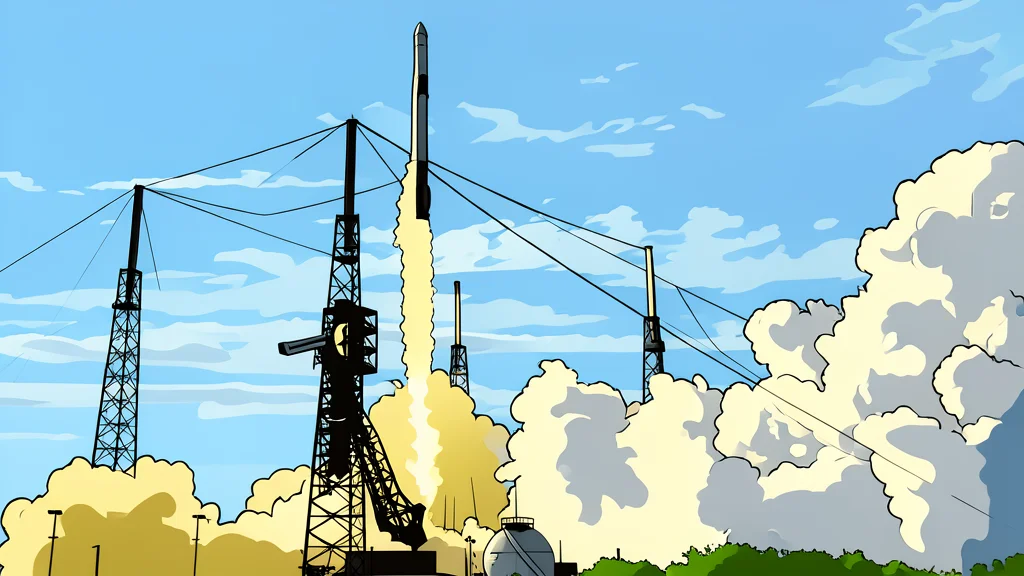
The mission is scheduled to fly no earlier than 2028, riding atop a Falcon 9 rocket from the Cape Canaveral Space Force Station in Florida. It will join a Bandwagon rideshare mission, a cost-effective model that allows multiple smaller satellites to launch together on a single rocket. This approach reduces the individual launch cost for each payload while ensuring that the scientific instruments reach orbit with minimal delay.
A streamlined contract for smaller missions
This selection marks a shift in how NASA acquires launch services for its smaller, lower-cost investigations. The order was placed under the Venture-Class Acquisition of Dedicated and Rideshare, or VADR, contract. Unlike traditional, lengthy procurement processes, VADR is an indefinite-delivery contract that allows the agency to order launches as needed over a ten-year period. This flexibility is crucial for the Astrophysics Pioneers Program, which supports rapid, budget-conscious science missions that cannot afford the time and expense of custom launch contracting.
The VADR program has a maximum total value of one billion dollars across all contracts, managed by NASA’s Launch Services Program Office at Kennedy Space Center. By using a firm-fixed-price task order, NASA secures a predictable cost for this specific launch. For the StarBurst team, this reduces financial uncertainty and allows them to focus on the scientific payload rather than the logistics of securing a seat on a rocket.
Listening to the universe through multiple signals
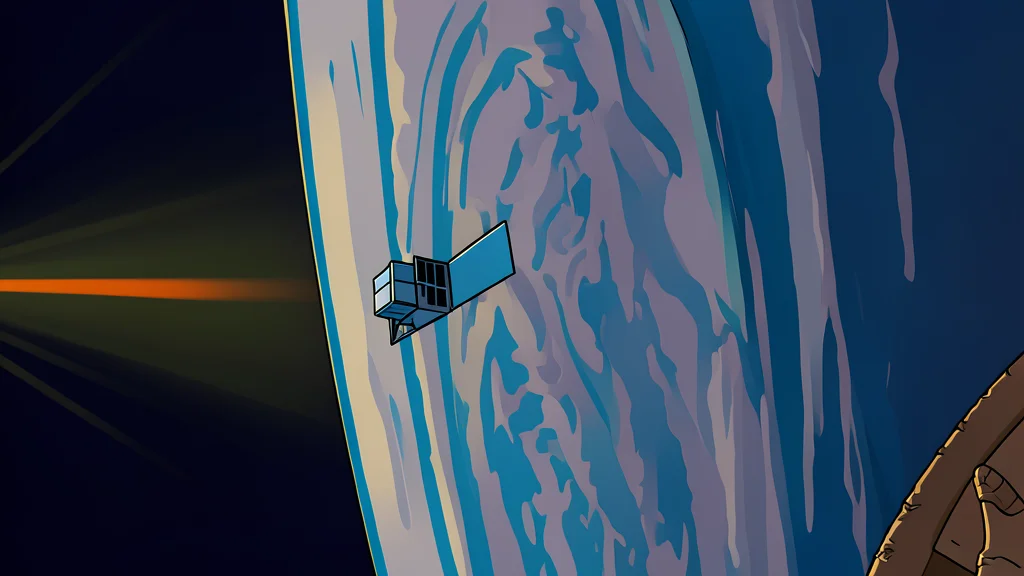
The primary goal of StarBurst is to observe the entire portion of the sky not blocked by the Earth, searching for brief, powerful explosions. By detecting the initial high-energy emission, the satellite provides the first piece of data in a complex puzzle. This data is then combined with gravitational-wave measurements detected on Earth and follow-up observations from other telescopes. This multi-faceted approach, known as multimessenger astronomy, allows researchers to study these cosmic events through different types of physical signals, providing a more comprehensive understanding of the phenomenon.
As reported by GN auto tech/space, this mission represents a significant step in understanding the behavior of neutron stars. While the satellite is small, its ability to pinpoint the location of these bursts quickly is vital. Without a precise location, other telescopes cannot point their instruments in time to capture the fading light from the merger. StarBurst acts as a cosmic watchdog, alerting the broader scientific community to where and when these rare events occur, thereby maximizing the scientific return from ground-based and orbital observatories.