SpaceX Launches Largest Starlink Satellites
SpaceX is set to deploy its most powerful Starlink satellites yet, promising a massive leap in internet capacity but requiring a successful first orbital test of the Starship rocket.
SpaceX is preparing to launch its third-generation Starlink satellites, marking a significant shift in how the company approaches global internet connectivity. CEO Elon Musk confirmed that the deployment of these new units will begin in late September, signaling the start of a new era for the satellite constellation. This move is not just an incremental update; it represents a fundamental change in the scale and capability of the infrastructure supporting the service.
The primary goal of this rollout is to drastically increase bandwidth. Musk claims the new constellation will eventually deliver more than 100 times the bandwidth of the current network of 11,000 satellites. For users, this translates to faster download speeds and more stable connections, particularly in areas where traditional fiber-optic infrastructure is absent or unreliable. However, this ambitious timeline hinges on the success of the Starship rocket, which must successfully place these heavy payloads into orbit for the first time.
Satellite Size and Weight
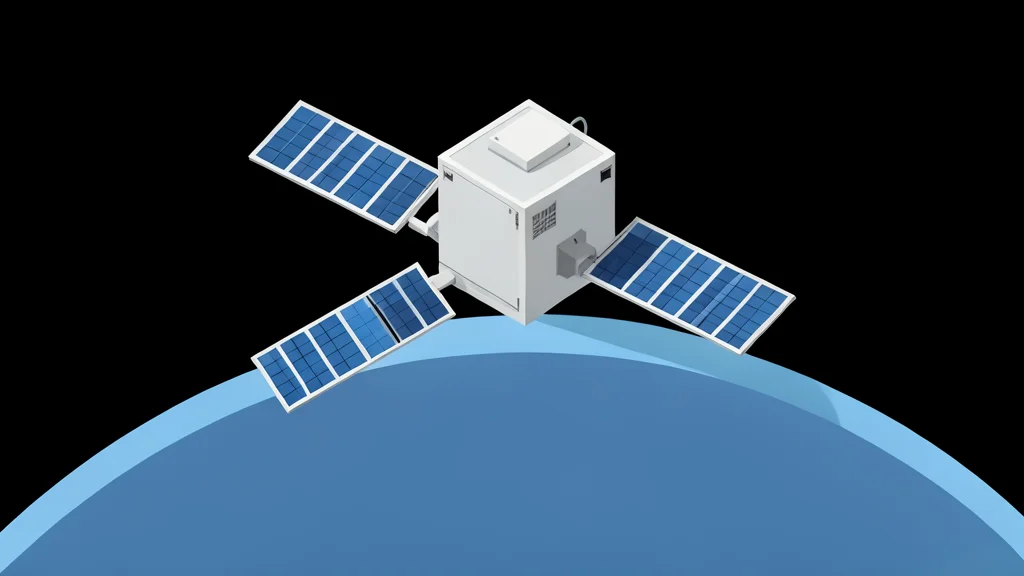
The Starlink V3 satellites are considerably larger than their predecessors. While exact specifications have not been officially disclosed, industry reports and earlier statements suggest the units are comparable in size to a commercial passenger aircraft. With solar panels deployed, the satellites are estimated to span over 60 meters in length. When folded for launch, they are approximately 7 meters long and weigh around 2 tonnes. This substantial increase in size is necessary to accommodate the more powerful hardware required to handle the higher data volumes.
The physical scale of these satellites necessitates a change in launch vehicles. Standard rockets like the Falcon 9 are no longer sufficient to carry the payload efficiently. SpaceX intends to use its Starship rocket, which has a maximum payload capacity of up to 100 tonnes. This capability allows for the potential launch of up to 60 V3 satellites in a single flight, a significant increase from the 26 planned for the upcoming test flight. The reliance on Starship introduces a new variable, as the rocket itself must prove its reliability in orbital operations.
Speed and Capacity Gains
The technical specifications of the V3 satellites promise a substantial performance boost. Utilizing new phased-array antenna technology, the units can achieve uplink speeds of 160 Gbps and downlink speeds of 1 Tbps. This is approximately 22 times faster on the uplink and 10 times faster on the downlink compared to the existing V2 satellites. Once the initial batch of 26 satellites is operational, the network will gain an additional 26 Tbps of capacity. This increase is equivalent to ten times the capacity added by a single launch of smaller V2 Mini satellites.
For the average user, these improvements mean that satellite internet could become a more viable alternative to terrestrial broadband. Currently, Starlink is often used as a backup or primary connection in remote or mobile scenarios. With the increased speed and potential cost reductions associated with the V3 generation, the service may expand further into the home internet market. The higher capacity could also support more users simultaneously without the degradation of service that can occur during peak usage times.
Future Mobile Integration
The technology developed for Starlink V3 is also being integrated into the next generation of Starlink Mobile satellites. These units are designed to communicate directly with smartphones, bypassing the need for traditional cell towers. This technology aims to provide data speeds comparable to 5G networks, even in areas with limited cellular coverage. Major telecommunications providers, including KDDI and NTT Docomo, have already signed contracts to utilize this technology, planning to offer high-speed data and voice services to their customers within the next one to two years.
This expansion into mobile communications highlights the broader strategic intent behind the V3 rollout. According to GN auto tech/space, the deployment is part of a larger effort to diversify SpaceX's revenue streams beyond traditional satellite internet. By enabling direct-to-device connectivity, the company is positioning itself to compete directly with established mobile carriers. The success of this integration will depend on regulatory approvals and the ability to maintain reliable service across diverse geographic regions.
Despite the promised advancements, the rollout is not without risks. The upcoming launch on September 22 is a critical test for the Starship vehicle, which will attempt to enter Earth orbit for the first time and complete six laps around the planet. Any failure in this process could delay the deployment of the V3 constellation and push back the timeline for these speed and capacity improvements. The trade-off for the increased capability is a higher dependency on a new and unproven launch platform, making the initial months of deployment a period of heightened technical risk.