NVS-03 Launch Targeted for mid-October to Fix India's Navigation Gap
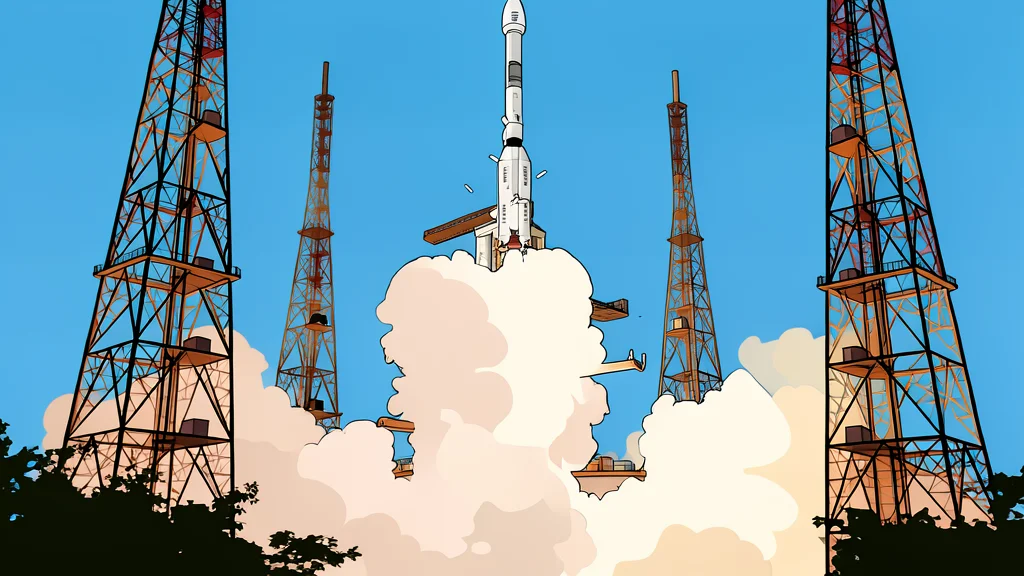
India aims to restore its regional navigation service by launching NVS-03 between October 15 and 20, following the previous satellite's orbit failure.
Key points
- India's navigation system currently operates with only three satellites, below the four required for standalone positioning.
- NVS-03 is scheduled for launch on a GSLV-Mk2 rocket between October 15 and 20, 2026.
- The previous satellite, NVS-02, failed to reach its intended orbit, creating the current service gap.
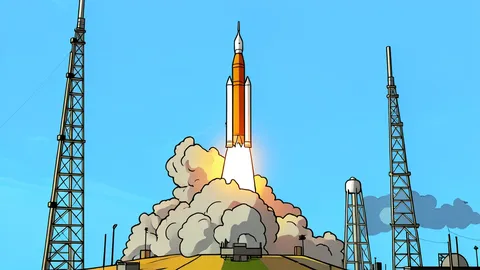
India’s regional navigation system is currently unable to provide standalone positioning services, a critical function for users relying on independent location data. To address this operational shortfall, the next second-generation satellite, NVS-03, is being prepared for launch from the Satish Dhawan Space Centre in Sriharikota.
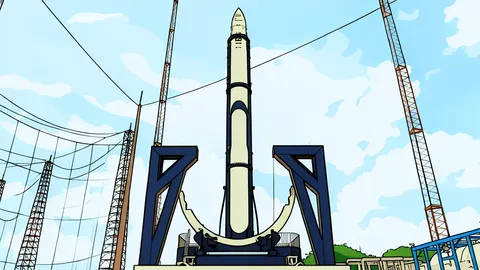
According to sources cited by Space Daily, the launch campaign targets a window between October 15 and 20, 2026. The first stage of the GSLV-Mk2 rocket has already been stacked, and the spacecraft is on site, following government clearance granted in September that unlocked the delayed mission.
Restoring the minimum satellite count
The Navigation with Indian Constellation (NavIC) system requires at least four active satellites to resolve a receiver’s three-dimensional position and clock offset without external assistance. Currently, only three satellites—IRNSS-1B, IRNSS-1I, and NVS-01—are providing these services after IRNSS-1F reached the end of its mission life.
While the timing signal remains functional, the lack of a fourth satellite means the constellation cannot deliver standalone positioning. Union Minister of State Dr. Jitendra Singh confirmed this status in a written reply, noting that NVS-03 is ready to restore the operational floor, with two more satellites in advanced development stages.
Consequences of the previous launch failure
The urgency behind the October campaign stems from the failure of the previous satellite, NVS-02. Launched in January 2025, it was injected into an incorrect orbit of 170 by 37,039 kilometres, rendering it unusable for its intended navigation mission.
This failure left the network without the redundancy needed to maintain reliable service as first-generation satellites have aged out of operation. The successful deployment of NVS-03 is therefore essential not only to meet the four-satellite minimum but to begin rebuilding the margin that ensures long-term reliability for the region.
Current status of the launch vehicle
The launch campaign began in mid-September 2026, with the stacking of the GSLV-Mk2 first stage completed. Engineers report that the remaining vehicle integration and checkout processes are on track to finish within a month, supporting the targeted mid-October window.
Although no official countdown has been announced by the Indian Space Research Organisation, the physical readiness of the rocket and spacecraft suggests a stable timeline. The catch remains that this is a working target subject to final range availability and technical checks, rather than a fixed date.