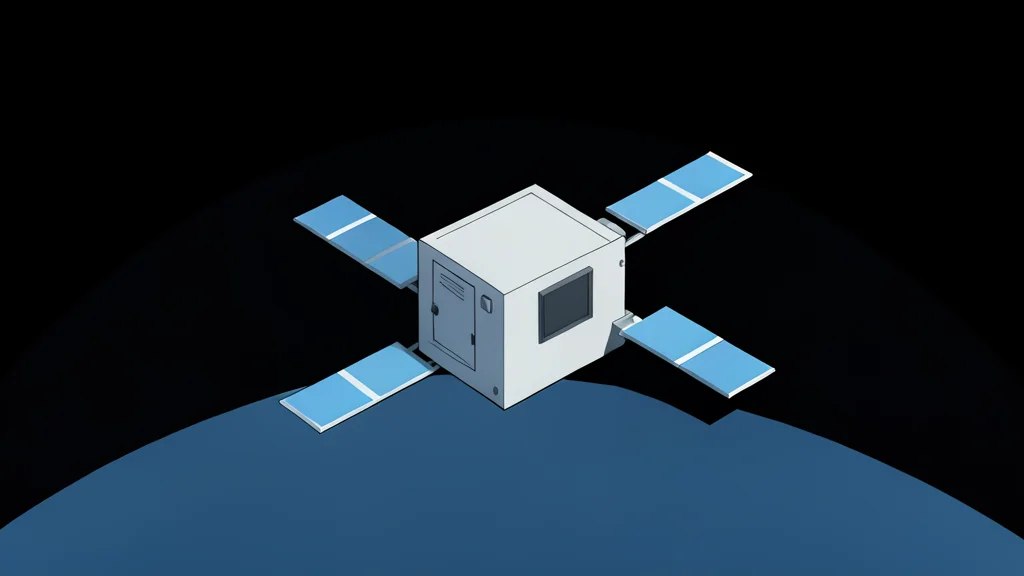
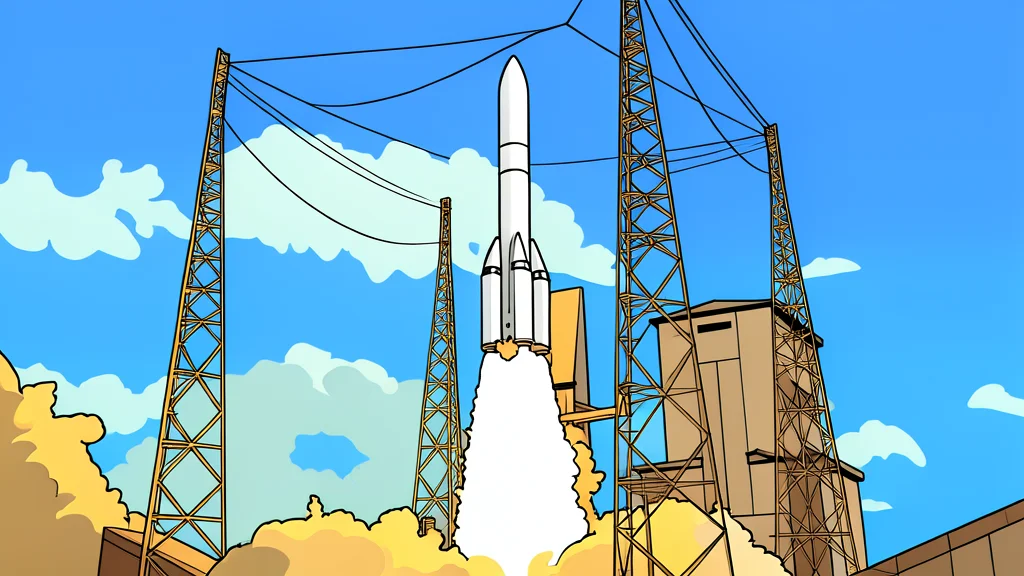
US Confirms First Deployment of Orbital Weapons
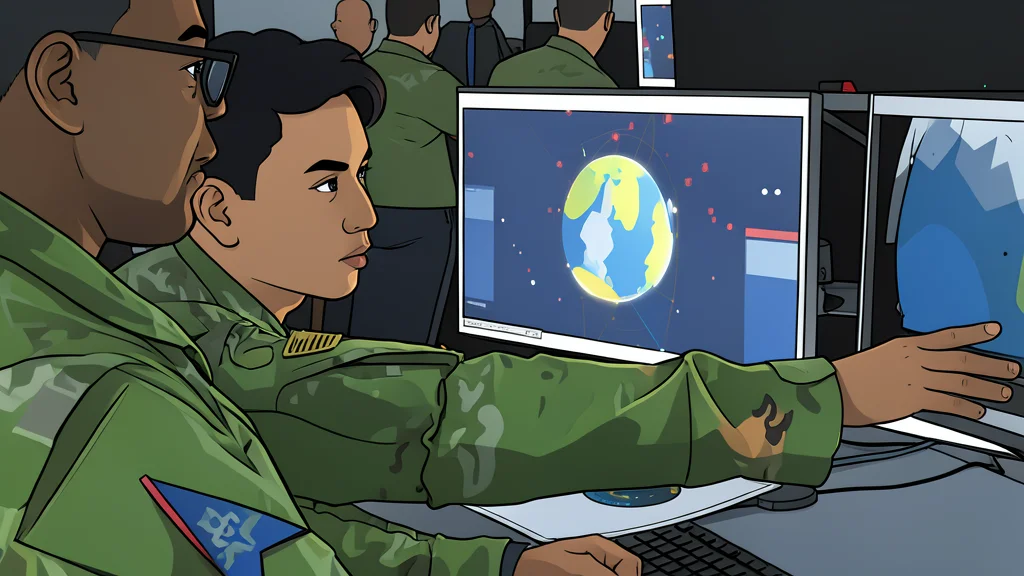
The US Air Force has officially acknowledged the existence of weapons in space, marking a significant shift in military strategy and raising concerns about space stability.
For the first time, the United States military has publicly confirmed that it possesses and has deployed weapons in orbit. Air Force Secretary Troy Meink made this declaration during a recent conference, ending years of official silence on the specific nature of American capabilities in space. This admission represents a major departure from previous Pentagon policies, which generally avoided detailed discussions about orbital combat to prevent escalation or the proliferation of weapons in space.
The announcement signals a new phase in how the US views security in the final frontier. While officials have hinted at interest in space-based defenses for years, this is the first explicit confirmation that such systems are not just theoretical but are currently part of the operational inventory. The move is expected to draw immediate attention from other major powers, particularly China and Russia, who have their own growing space programs and concerns about US dominance in this domain.
Official Confirmation Ends Speculation
Secretary Meink stated that the United States now has on-orbit space control weapons capable of defending joint forces against hostile actions. Although the specific details of these weapons were not disclosed, the confirmation itself is a significant policy shift. Previously, military leaders were hesitant to discuss orbital warfare openly, fearing that such conversations would undermine deterrence or provide adversaries with too much information. Now, the priority appears to be transparency about capability to ensure stability, even if the technical specifics remain classified.
This change in rhetoric reflects a broader trend within the Pentagon to treat space as a contested battlefield rather than a neutral domain. The confirmation comes at a time when tensions over space dominance are rising globally. By acknowledging these weapons, the US aims to clarify its defensive posture, though critics worry that any weaponization of orbit increases the risk of conflict in space, where debris and accidents can have long-lasting and global consequences.
Strategic Implications for Global Security
The decision to speak openly about orbital weapons is driven by what officials describe as a deterrence perspective. Meink noted that while revealing details does not benefit deterrence, confirming the existence of these capabilities is necessary to communicate readiness. This approach attempts to balance the need for security with the risk of an arms race. However, the trade-off is significant: by normalizing the concept of weapons in space, the US may be encouraging other nations to develop similar systems, potentially leading to a more crowded and dangerous orbital environment.
The source material, GN auto tech/space, highlights the importance of this development in the context of satellite deployment and space operations. The confirmation that the US has operational space control weapons changes the strategic calculus for all nations with space programs. It suggests that space is no longer just a domain for communication and observation, but a critical part of national defense. This shift could lead to new international negotiations or, conversely, to increased competition and mistrust among major powers.
Balancing Transparency and Security
Meink emphasized that the US is careful about how it communicates these capabilities. He stated that the department spends significant time discussing how to talk about these issues to ensure that the messages align with national security goals. The catch in this approach is that while transparency can reduce the risk of miscalculation, it also reveals the extent of US capabilities, which may prompt adversaries to accelerate their own weapons development. This delicate balance requires constant reassessment as the space domain evolves.
In conclusion, the US confirmation of orbital weapons marks a pivotal moment in the history of space exploration and defense. It underscores the growing militarization of space and the complex challenges of maintaining stability in an environment where the rules of engagement are still being defined. As other nations react to this news, the world may see a new era of space competition, with significant implications for global security and the future of human activity in orbit.