SpaceX Launches Classified Satellite for US Space Force
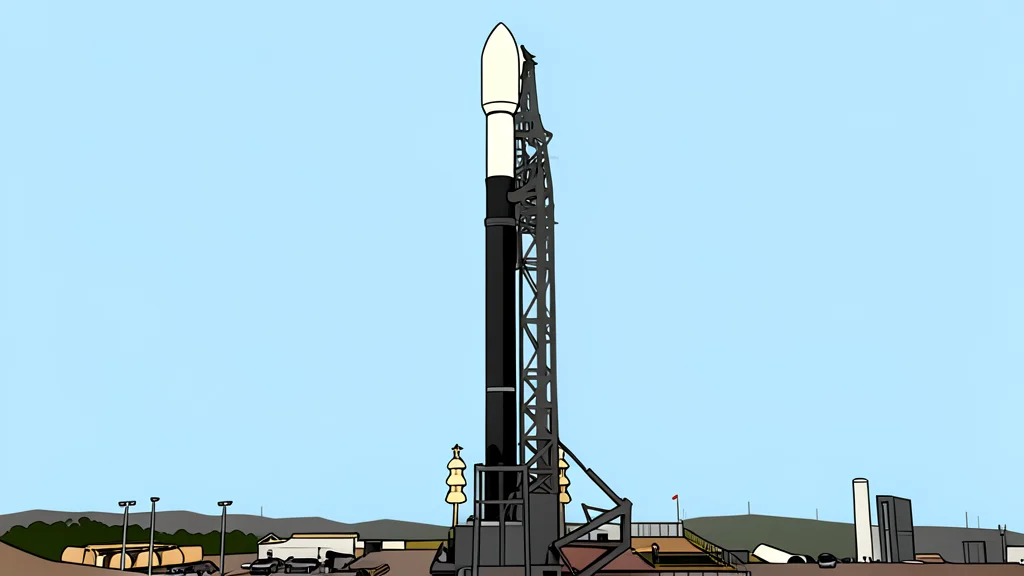
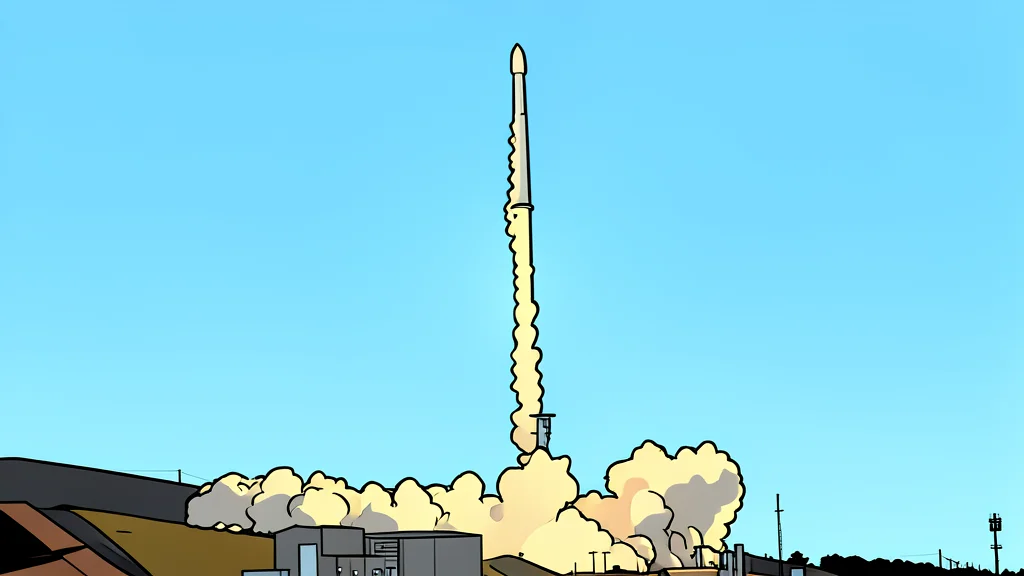
SpaceX is set to launch a Falcon 9 rocket from California's Vandenberg base on Tuesday evening. The mission carries a sensitive payload for the U.S. Space Force, marking the third such flight in a month under a major government contract.
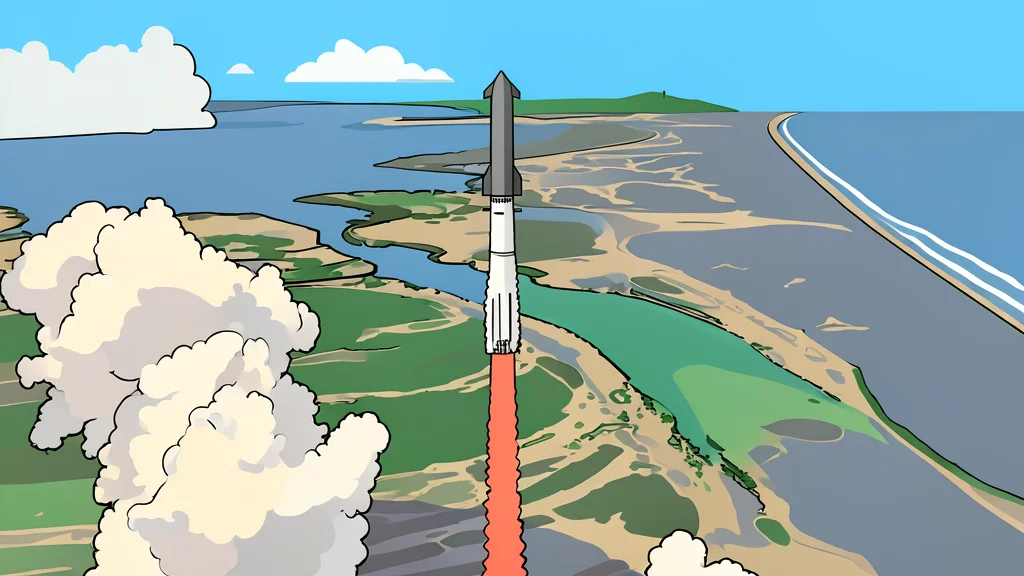
SpaceX is preparing to launch a Falcon 9 rocket from Vandenberg Space Force Base in California on Tuesday night. The mission, designated USSF-259, carries a national security payload for the U.S. Space Force. Liftoff is scheduled for 7:18 p.m. local time, after which the rocket will head south toward the Pacific Ocean.
This launch is part of a series of missions procured by the Space Systems Command through the National Security Space Launch contract. It is the third of these flights in the past month, following two earlier missions that each carried 23 satellites. The agency has not disclosed specific details about the hardware being deployed, citing classification.
Third launch in a month
The U.S. Space Force has not confirmed the exact nature of the payload for this mission, as is standard for national security operations. Public documents identify this flight as TH-1, a designation that differs from the previous two missions, which were labeled R1 and R2. Those earlier flights, conducted in August and September, each delivered 23 satellites to orbit.
A fourth mission, designated R-3, is already scheduled for September 27. This rapid pace of launches highlights the high demand for secure orbital access. For readers following the event, Spaceflight Now will provide live coverage starting about 30 minutes before the rocket leaves the pad.
Booster recovery in the Pacific
The rocket’s first stage, identified as B1097, is on its 13th flight. This booster has previously launched various payloads, including the NROL-172 satellite, the Twilight mission, and multiple batches of Starlink communications satellites. Reusing hardware is a key cost-saving strategy for SpaceX, allowing for more frequent launches without building new rockets from scratch.
About 8.5 minutes after liftoff, the booster will attempt to land on the droneship 'Of Course I Still Love You,' which is positioned in the Pacific Ocean. If successful, this will mark the 224th landing on this vessel and the 661st Falcon booster landing overall. The trade-off of a southern trajectory is that the booster must land at sea rather than on land, requiring specialized recovery ships.