Starlink V3 Launches This Month with Massive Bandwidth Boost
SpaceX begins deploying its most powerful satellite constellation yet, promising a hundredfold increase in network capacity, but the rollout is entirely dependent on the success of the Starship rocket.
SpaceX has confirmed that it will begin deploying its next-generation Starlink V3 satellites this month. This marks the most significant capacity upgrade in the history of the satellite internet service. The new spacecraft are designed to eventually deliver more than 100 times the total bandwidth of the current fleet, a jump that will fundamentally change the speed and reliability of satellite internet for millions of users worldwide.
However, this technological leap comes with a major logistical constraint. The V3 satellites are too large to be launched by the existing Falcon 9 rockets. They can only be placed into orbit by SpaceX’s Starship vehicle. This means the entire rollout schedule is now locked to the operational readiness of Starship, creating a critical dependency that industry observers are watching closely.
V3 Satellites Offer Dramatic Speed Gains
The new satellites are not just a minor update; they represent a step-change in performance. Each V3 unit is engineered to provide roughly one terabit per second of downlink capacity and 160 gigabits per second of uplink. For context, this is approximately ten times the downlink speed and over twenty times the uplink speed of the V2 Mini satellites currently in orbit.
This individual boost contributes to the overall network increase. As SpaceX adds more of these larger spacecraft over time, the total bandwidth of the constellation will grow exponentially. This capacity is crucial for alleviating congestion in dense markets like the United States and Europe, where subscriber growth has recently outpaced the available network capacity.
Starship Is The Only Launch Option
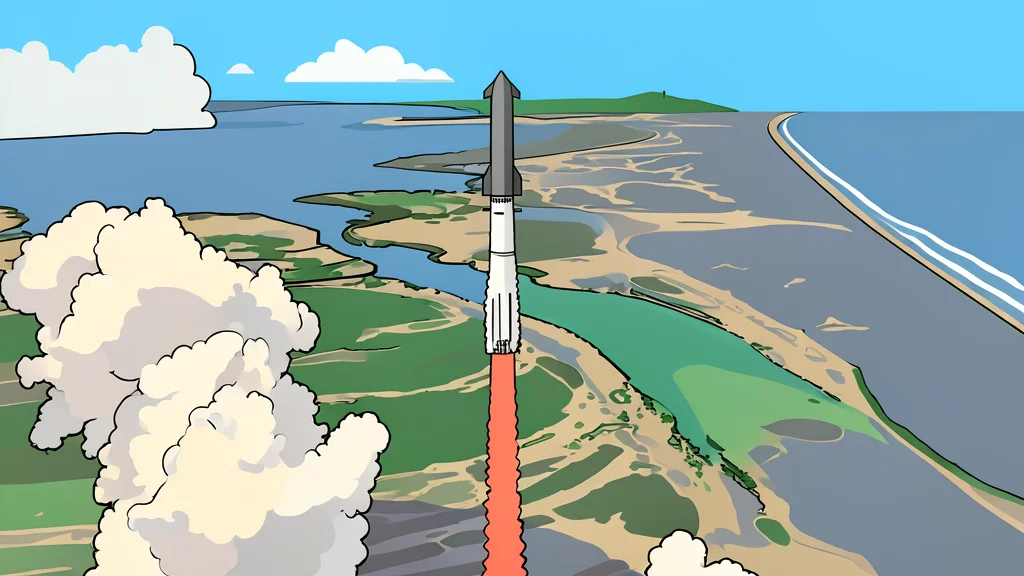
The physical size of the V3 hardware dictates its launch method. Because these satellites do not fit inside the payload fairing of the Falcon 9, Starship is the exclusive vehicle for their deployment. The first operational V3 satellites are targeted for Starship Flight 14, scheduled for late September 2026.
Previous suborbital tests in July successfully released V3 units, but those were designed to de-orbit quickly and served only as pathfinders for the deployment hardware. Flight 14 marks the transition from testing to sustained operation. If this mission succeeds, SpaceX will begin the multi-year process of overlaying V3 capacity onto the existing network rather than replacing it all at once.
Expanded Capacity Unlocks New Services
The 100x bandwidth increase has practical implications for different user groups. For residential customers, it makes gigabit-tier speeds economically viable in regions that currently top out at a few hundred megabits. For enterprise and government clients, it raises the ceiling on guaranteed throughput, which is essential for critical applications like military communications, offshore energy platforms, and airline connectivity.
Additionally, the extra capacity opens the door for direct-to-cell service. SpaceX is rolling out this feature in partnership with carriers like T-Mobile, which competes for the same spectrum and bandwidth as standard consumer internet. As reported by GN auto tech/space, the success of these new services relies on the network having enough headroom to handle multiple types of traffic simultaneously without degrading the experience for existing subscribers.