China Deploys Active Cooling Vests for Outdoor Laborers
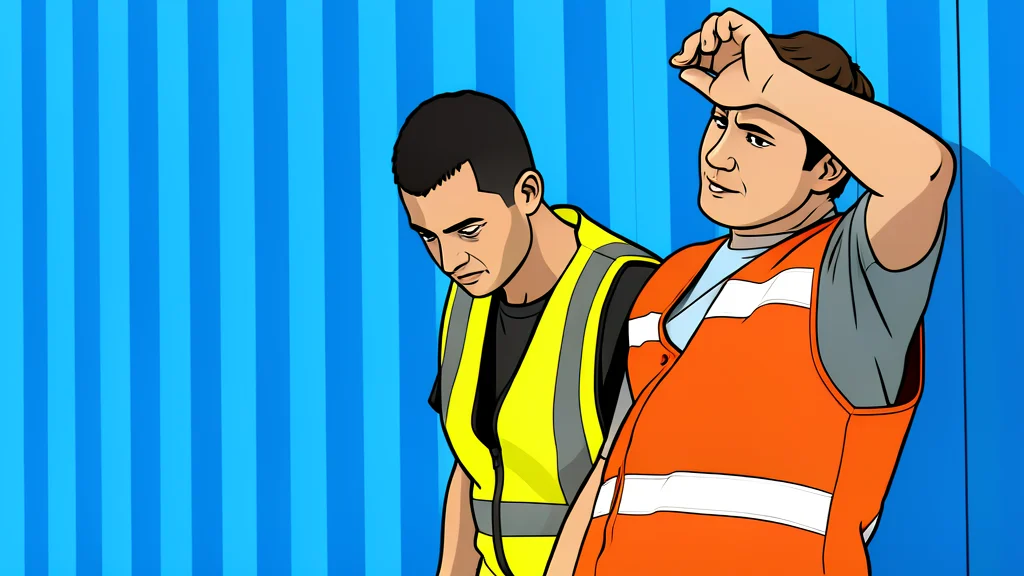
Nanjing sanitation crews are testing battery-powered vests with embedded fans to combat extreme heat, offering a practical alternative to passive cooling methods during the country's most dangerous summer months.
Sanitation workers in Nanjing, China, are currently utilizing a new type of high-visibility safety vest equipped with active cooling technology. Unlike traditional neck fans that direct air toward a single area, this garment features two small fans integrated into the chest area. The system circulates air across the torso, providing a more distributed cooling effect for those working outdoors during the intense heat of the Sanfu season, which marks the hottest period of the year in the region.
The primary goal of this deployment is to mitigate the risk of heat exhaustion and heat stroke among municipal employees. Reports indicate that thousands of outdoor workers suffer from heat-related illnesses annually, a significant portion of which result in fatalities. By introducing active airflow directly onto the skin, these vests aim to maintain a safer core body temperature for longer shifts, reducing the physical toll of working under direct sunlight for extended periods.
Battery Life Limits Continuous Use
The vests operate on compact rechargeable battery packs that provide up to four hours of continuous airflow. This duration is designed to cover a standard work shift, though workers must recharge the units during breaks to maintain full functionality. The fans offer three speed settings, allowing users to adjust the airflow intensity based on their comfort and the ambient temperature. However, the reliance on battery power means that if the charge runs out, the cooling effect ceases entirely, leaving the wearer without active protection.
Noise levels are a critical consideration for these devices. The engineering team prioritized low-noise fan operation so that the constant hum does not interfere with workers' ability to hear traffic or communicate with colleagues. While the device functions similarly to a ceiling fan in its mechanism of moving air, the integration into a wearable garment presents unique challenges regarding weight distribution and battery endurance compared to stationary units.
Active Fans Differ From Passive Gels
This active fan-based approach contrasts with other cooling methods currently in use, such as evaporative vests. Evaporative vests rely on water-soaked materials that cool the wearer as the water evaporates, a process that requires frequent re-wetting to remain effective. Phase-change vests, seen in other parts of Jiangsu Province, use frozen packs placed in pockets to absorb body heat. While these passive methods do not require electricity, they often have a limited duration of effectiveness before the cooling agent warms up or dries out.
Expansion Beyond Nanjing Sanitation Crews
The urban management department in Nanjing is marketing these cooling garments citywide, signaling a potential shift in standard equipment for outdoor municipal work. According to GN auto tech/wearables: wearable tech, the device represents a step toward preventing heat-related illness by providing a consistent stream of cool air. If the program proves successful, similar active cooling solutions could be adopted nationwide, replacing older passive methods with more reliable, battery-powered systems for road construction, yard work, and sanitation teams.