Apple Watch Ultra 4 Offers Diminishing Returns for Most Users
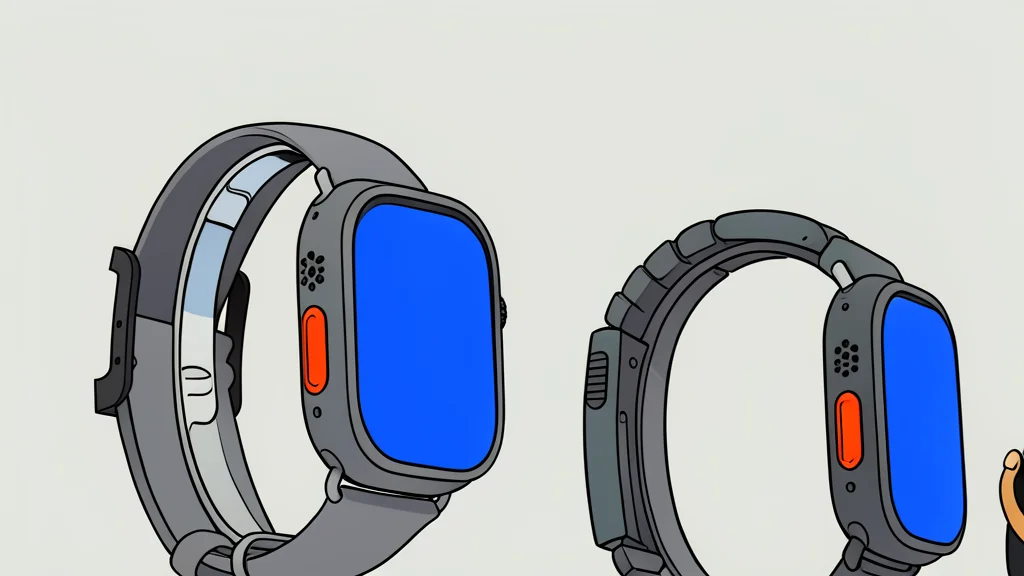
The new Apple Watch Ultra 4 brings improved health tracking, but the widening price gap with the standard model raises questions for everyday users.
Apple has released the Watch Ultra 4, a rugged titanium smartwatch that continues to refine a formula established in 2022. While the device retains its massive build and emergency-focused features, the technological distance between it and the standard Series 12 has narrowed significantly. For many buyers, the $799 price tag now demands a more specialized use case than before.
The primary value proposition of the Ultra line has traditionally been its longevity and off-grid capabilities. However, with the standard Series 12 now sharing many of the same health and safety tools, the Ultra 4 is increasingly positioned as a niche device for outdoor enthusiasts rather than a universal upgrade. This shift makes it a tougher sell for consumers whose primary goal is daily fitness tracking.
Health tracking gaps close
Both the Ultra 4 and the Series 12 now utilize the faster S11 chip and a new Health Sensing System. This update allows for heart rate monitoring every five seconds and heart rate variability measurements up to 24 times more frequently than previous models. According to GN auto tech/wearables: fitness tracker, these improvements provide a more detailed picture of how the body responds to stress and recovers throughout the day.
The system distinguishes between recovery heart rate variability, which targets daily stressors, and overall heart rate variability for broader cardiovascular context. Overnight vitals now compare these metrics against personal baselines, offering users a clearer view of their physiological state. While this is a meaningful upgrade for fitness enthusiasts, it is no longer exclusive to the premium Ultra tier.
Specialized features drive cost
The key differentiators remaining in the Ultra 4 are its multi-day battery life, a dedicated Action button, and satellite messaging. These features are tailored for users who spend time outside cellular coverage, such as trail runners or divers. For the average user, however, the Series 12 provides the same core experience for $400 less, making the price premium harder to justify without specific outdoor needs.
Apple has not changed the pricing structure, nor have they introduced new color finishes for the Ultra 4. This suggests the company is betting on the existing brand loyalty of its rugged line. For current owners, the incremental nature of these updates may serve as a reason to hold onto their current devices rather than upgrade immediately.
Trade-offs for everyday users
The catch for potential buyers is clear: the Ultra 4 is now more specialized than ever. If your routine does not involve frequent excursions into remote areas, the additional cost buys you less utility compared to previous generations. The device remains robust and feature-rich, but its value is increasingly tied to specific lifestyle choices rather than general smartwatch superiority.
Consumers seeking comprehensive health data will find that the standard Series 12 meets their needs at a significantly lower price point. The Ultra 4 remains a capable device, but its appeal is now reserved for those who specifically value its ruggedness and off-grid communication capabilities. For everyone else, the balance of cost and benefit has shifted noticeably toward the standard model.